GPPAC South Asia
Special Focus:
Climate-Sensitive Peacebuilding
Exploring the intersections of climate change, peace, and security across South Asia — through activities, research, stories, and resources.
12Activities
8Case Studies
39Stories
602News Articles
9Resources
Activities
Activities
26 August 2026
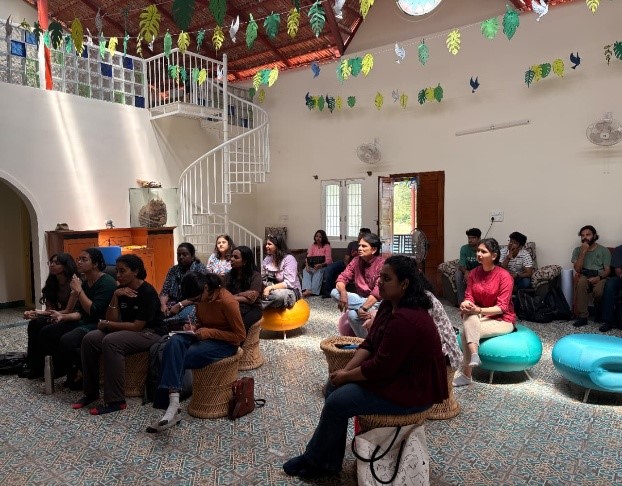
A Visit & Interaction by the NIAS ‘Grass Roots’ Team with Parikrma Oxygen, Bengaluru, on Nature-Based Education, Ecological Restoration and Climate Action
Case Studies

Climate Change and Civil Society: Case Studies
India · Chennai · Urban Flooding
How 'Chitlapakkam Rising' combined technical expertise with sustained community organising — from weekly clean-up drives to a government-funded cut-and-cover drain — to keep the locality flood-free d…
Stories
Stories
26 Aug 2026
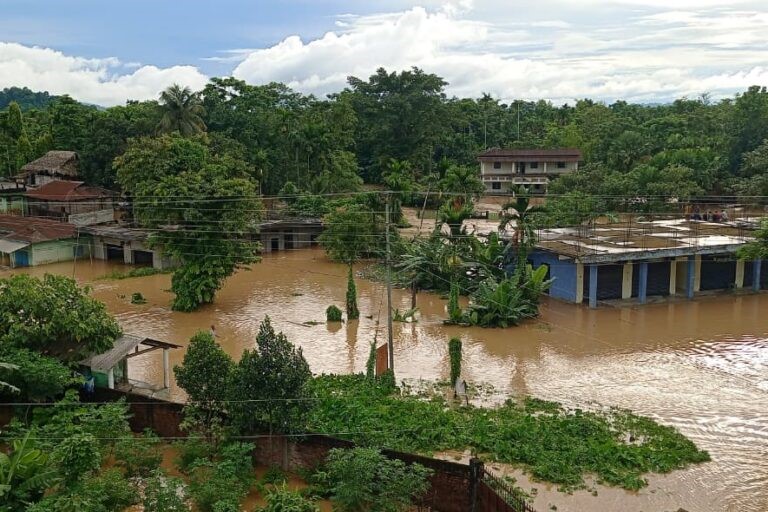
Triggers, Structural Vulnerabilities, Early Warnings, Government Response and Recovery
News Monitor
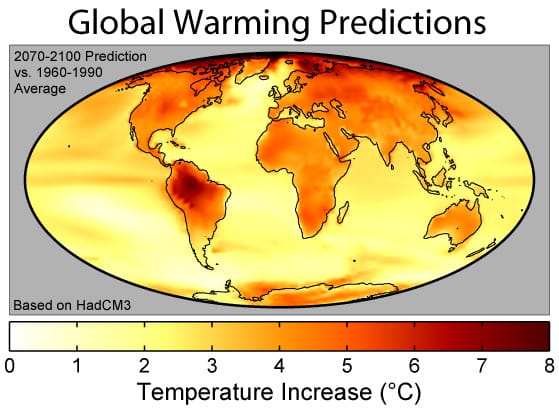
Source: Wikimedia commons
Source: Wikimedia commons
Daily News Monitor
Jul 2026
On 29 July, Dawn reported that Pakistan is intensifying measures to address growing climate risks through improved environmental governance and adaptation planning. Officials highlighted the need to …
Resources

Resources
May 2026
In the wake of the severe damages caused by Cyclone Ditwah, Sri Lanka's environmental strategies must prioritize long-term ecological restoration alongside immediate disaster response. For World Envi…
Co-funded by the European Union as part of GPPAC's CLIMPSE — Climate, Peace and Security: See More. Act Together project, empowering local peacebuilders to act on the connections between climate, peace and security.
CLIMPSE in South Asia