One Sapling at a Time
An Interview with Balu Ram Verma on Afforestation, Waste Management, and Grassroots Environmental Work in Bhilai
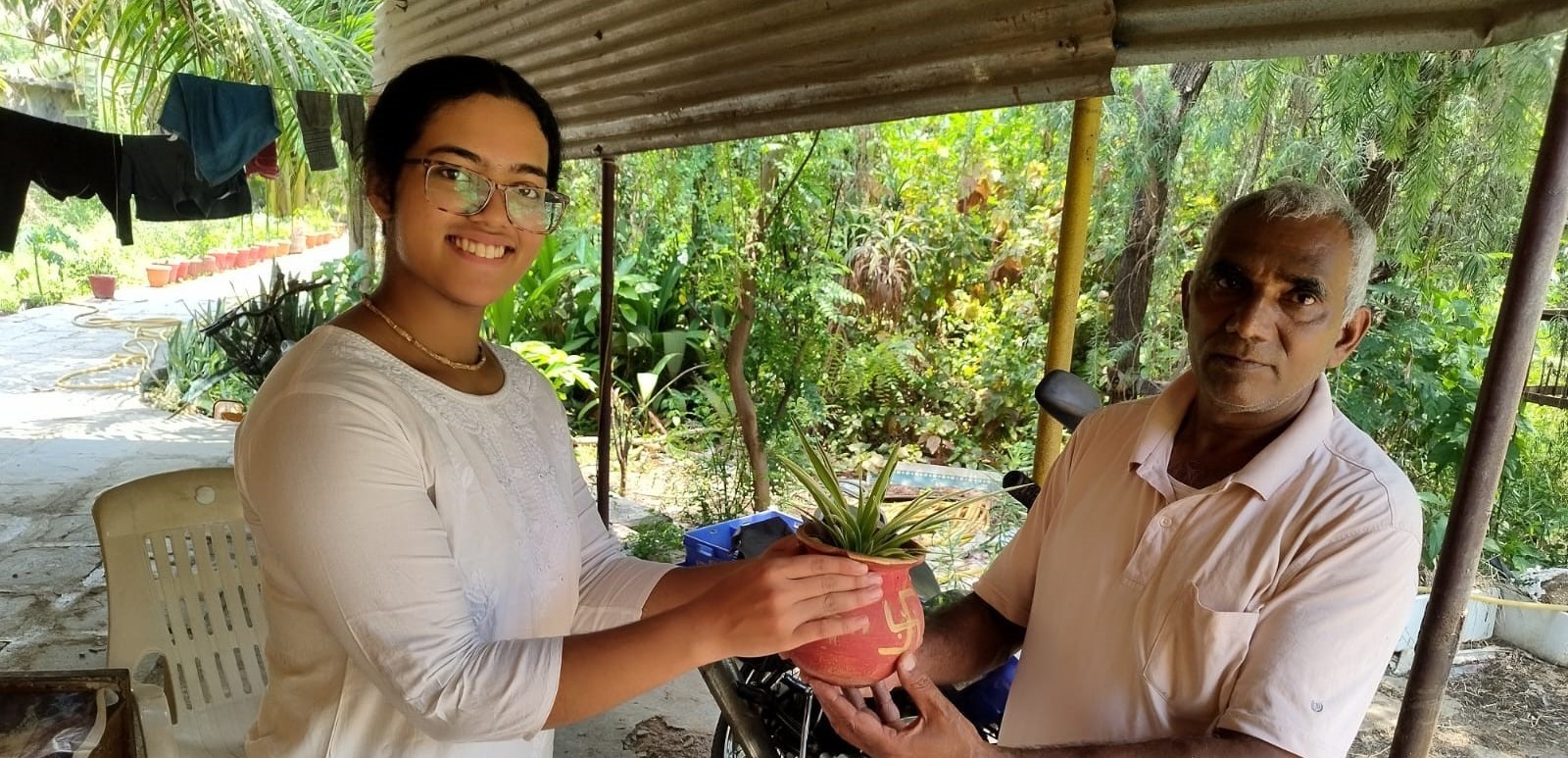
Anshika Thakur
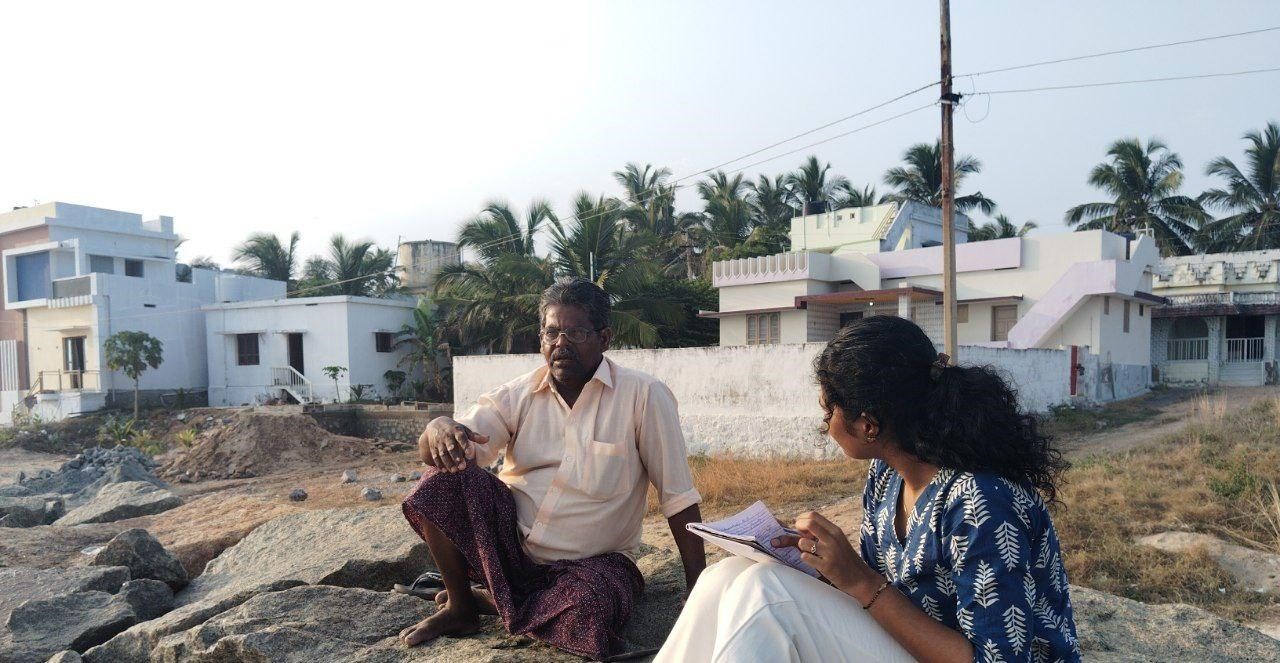
As part of the NIAS Climate Change, Civil Society and Peace (C3SP) initiative in collaboration with GPPAC South Asia, Anshika Thakur, undergraduate student at Mount Carmel College, Bengaluru, interviewed Balu Ram Verma, a retired Bhilai Steel Plant (BSP) employee and a local environmentalist who has spent decades leading afforestation, waste management, composting, and community-based environmental initiatives in Bhilai. Through plantation drives, neighbourhood waste collection, nursery development, and public awareness, Verma’s experience shows how long-term citizen participation can complement institutional efforts in improving the urban environment.
In this interview, Balu Ram Verma reflects on how his grassroots environmental initiatives evolved in Bhilai, the practical challenges of sustaining plantation drives and waste management, the importance of community ownership, and the lessons local environmental action offers for building long-term ecological resilience.

Q: What first motivated you to work for the environment?
I retired from Bhilai Steel Plant (BSP) about four years ago. I joined service here in 1983, and from that time I saw that there was a lot of pollution in this area. When I was in Class 11, I used to visit the library at Vivekananda Ashram in Raipur. There I felt that if we have received this human life, we must do something meaningful with it. Later, when I got a job here and saw the pollution around me, I thought that people work in different fields, so why should I not work in the field of pollution and environment?
From that time itself, I decided that if I wanted to do any work, even small work, I would need some money. So I began saving a part of my salary. I kept aside INR 10 out of every INR 100 and told myself that this money was not mine. INR 90 was for my family and household, but INR 10 belonged to society and nature.
In our traditions also, it is said that we have debts towards our parents, teachers, society, and nature. Some people build temples, some help children, some help the poor. I decided that because pollution was a major issue here, I would work in that field.
Q: One of your earliest initiatives focused on neighbourhood waste collection. What challenges did you face, and what did that experience teach you?
I was living in Sector 6, where people were throwing garbage in open spaces throughout the locality. The surroundings were becoming increasingly dirty, and I felt that improving waste management had to begin at the neighbourhood level. I thought, why not collect this waste from homes and take it to a fixed place?
Around 2006–07, I took a CPF loan of about INR 1.5 lakhs. With that money, I arranged two pedal rickshaws for door-to-door garbage collection. I requested people not to throw garbage outside and told them that my person would come and collect it. Initially, people used to say, ‘Verma ji, garbage is meant to be thrown away, not kept inside the house.’ The biggest challenge was therefore not collecting waste but changing people's habits. I continued speaking with residents and encouraging them to participate, and gradually more households began cooperating.
At that time, neither BSP nor the municipal corporation had started such a door-to-door waste collection system. With time, I realised that the initiative had become too large for one individual to sustain. I approached BSP and suggested that the institution take forward the model. Although I was asked to continue the work through a tender, I declined because my objective had always been public awareness rather than running a business. Today, when I see organised waste collection operating here, I feel happy that my small initiative helped create awareness.
Q: How did your plantation work in Bhilai began?
I started planting trees around 1991. Initially, I planted only six or seven saplings, but I realised that if I wanted to plant trees properly, I needed a nursery. Instead of depending on the Forest Department or buying plants privately, I decided to prepare a small nursery myself in Sector 6. I began distributing saplings to people. But I never believed in giving everything completely free. If people do not invest anything, they often do not take care of the plant. I used to give saplings along with tree guards, and I would ask people to pay the cost of the tree guard, around INR 250.
Q: How did the nursery develop across the township?
When I came here around 2014, BSP cooperated with me. They told me that I was doing good work and allowed me to prepare a nursery here. They provided the space, electricity, and 24-hour water support so that I could carry out irrigation. I have planted thousands of saplings across the township and turned several grounds green. The question people ask is: where did the money come from? It came from the same INR 10 I kept aside from my salary. As my salary increased, that contribution also increased. Even now, I tell people that if they cooperate one step, I will move ten steps. I give one sapling free, but if someone wants five saplings, I request some educational or voluntary contribution so that the process can continue.
Q: How did public participation evolve over the years, and what initiatives have been most effective in mobilising the community?
In the beginning, I was alone. But good work attracts support. Slowly, many people joined me. Today, there are groups in different sectors. There are Swachhta teams, Paryavaran Mitra Mandals, and other groups. We work together not only for plantation but also for cleanliness. We clean drains, ponds, wells, lanes, neighbourhoods, vegetable markets, and public spaces. Every week, we conduct a cleanliness campaign. We have completed around 400 weekly cleanliness drives. We also go to schools and tell children not only to celebrate birthdays, but to create Smriti Gardens. If a child plants a tree in Class 6 and studies there for three years, they can take care of that tree. Later, even if they leave the school, they can come back and see the plant they had planted. We also encourage people to plant saplings on birthdays, anniversaries, and memorial occasions. If people plant trees in selected spaces, we help protect them.
Q: How did your work expand from a single nursery into a broader community engagement, and what factors and partnerships have been central to this growth?
I gradually formed volunteer groups across different sectors so that plantation activities could continue beyond my own nursery. Whenever plantation is needed in a particular area, I coordinate with the local group, and they take the lead in planting and maintaining the saplings. Similar groups are there in Durg and other parts of Chhattisgarh. I am associated with Paryavaran Gatividhi in Chhattisgarh, through which saplings from this nursery are distributed to different locations. Whenever my team reaches a new area, I encourage local residents to participate so that they develop a sense of ownership towards the plantation. Institutional partnerships have also played an important role. After seeing the impact of our work, both Bhilai Steel Plant (BSP) and the municipal corporation began extending their support. I request them to identify neglected gardens, open spaces, and public land that can be restored through plantation. With community participation and institutional cooperation, we can transform these spaces into green areas within three years.
Q: What have been the biggest challenges you have faced in the plantation work?
Sometimes people do not allow plantation because they want to use public land for their own benefit. Other challenges include people deliberately damaging plants near their shops or fields. There are also practical challenges such as inadequate fencing, shortage of water, or a lack of maintenance. Despite these difficulties, we continue working with local citizens, the administration, and other public authorities to address these challenges. Good work eventually receives support. The important thing is to remain committed and keep moving forward.
Q: Based on your experience, what do you believe are the most important responsibilities of citizens in addressing environmental degradation?
We all know that environmental challenges will become more serious in the future, so we must act now. The greenery we enjoy today was planted by our ancestors, and it is now our responsibility to protect and improve the environment for those who come after us. It is not the responsibility of environmental workers or governments alone; it requires the participation of every citizen. We must continue planting trees, keeping rivers and drains clean, reducing pollution, and using organic manure wherever possible instead of excessive chemical fertilisers. The decline of species such as frogs, snakes, and vultures shows how environmental degradation affects the entire food chain. Similarly, waste and polythene should never be dumped into rivers and drains. If we want a healthy environment, every citizen must contribute through small but sustained actions.