NIAS C3SP-GPPAC Workshop on Connecting Communities
An interaction with civil society actors from Karnataka and Kerala on addressing climate-related disaster management and preparedness, conservation, and youth engagement
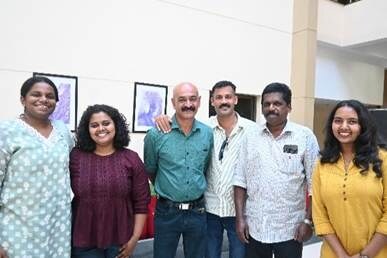
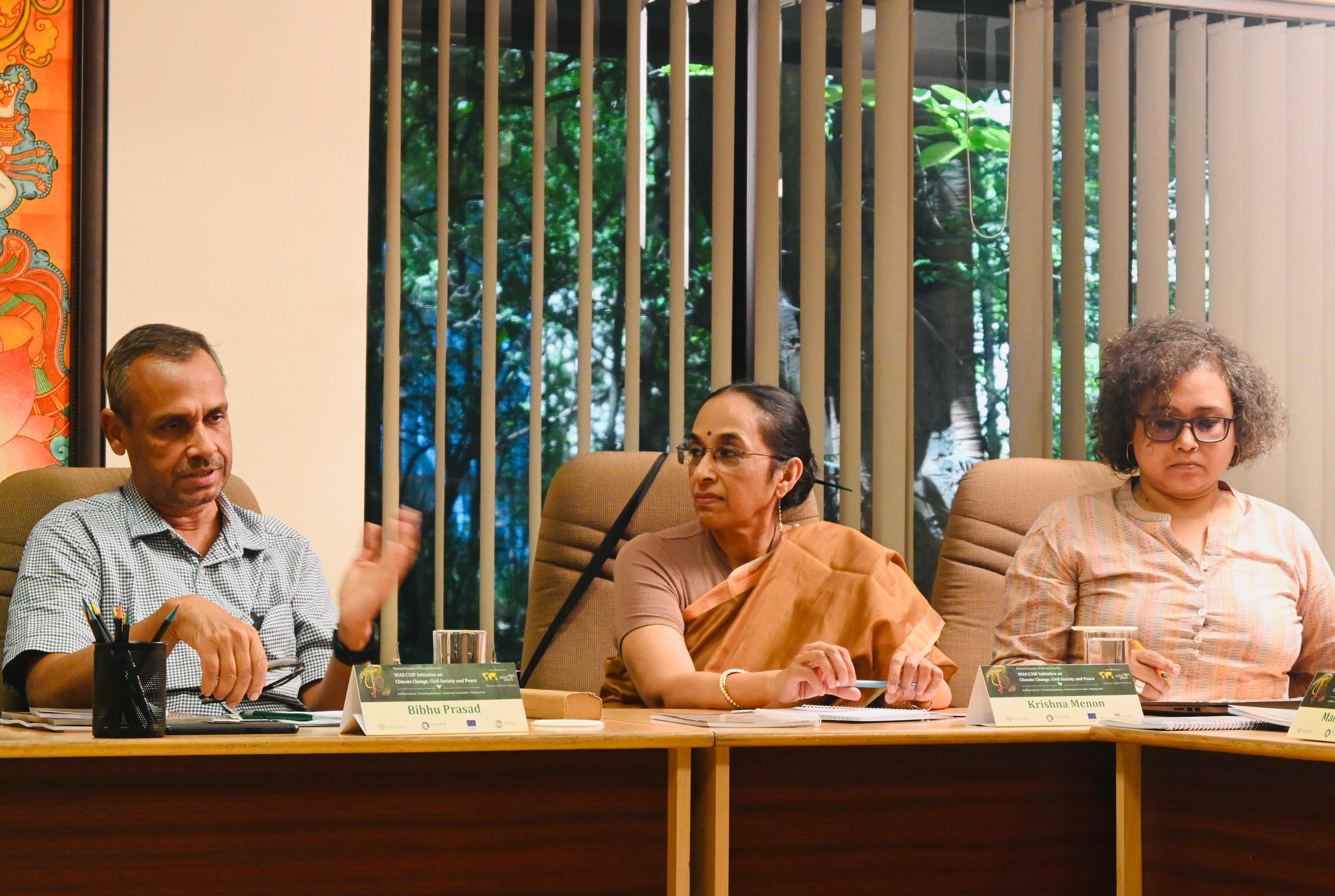
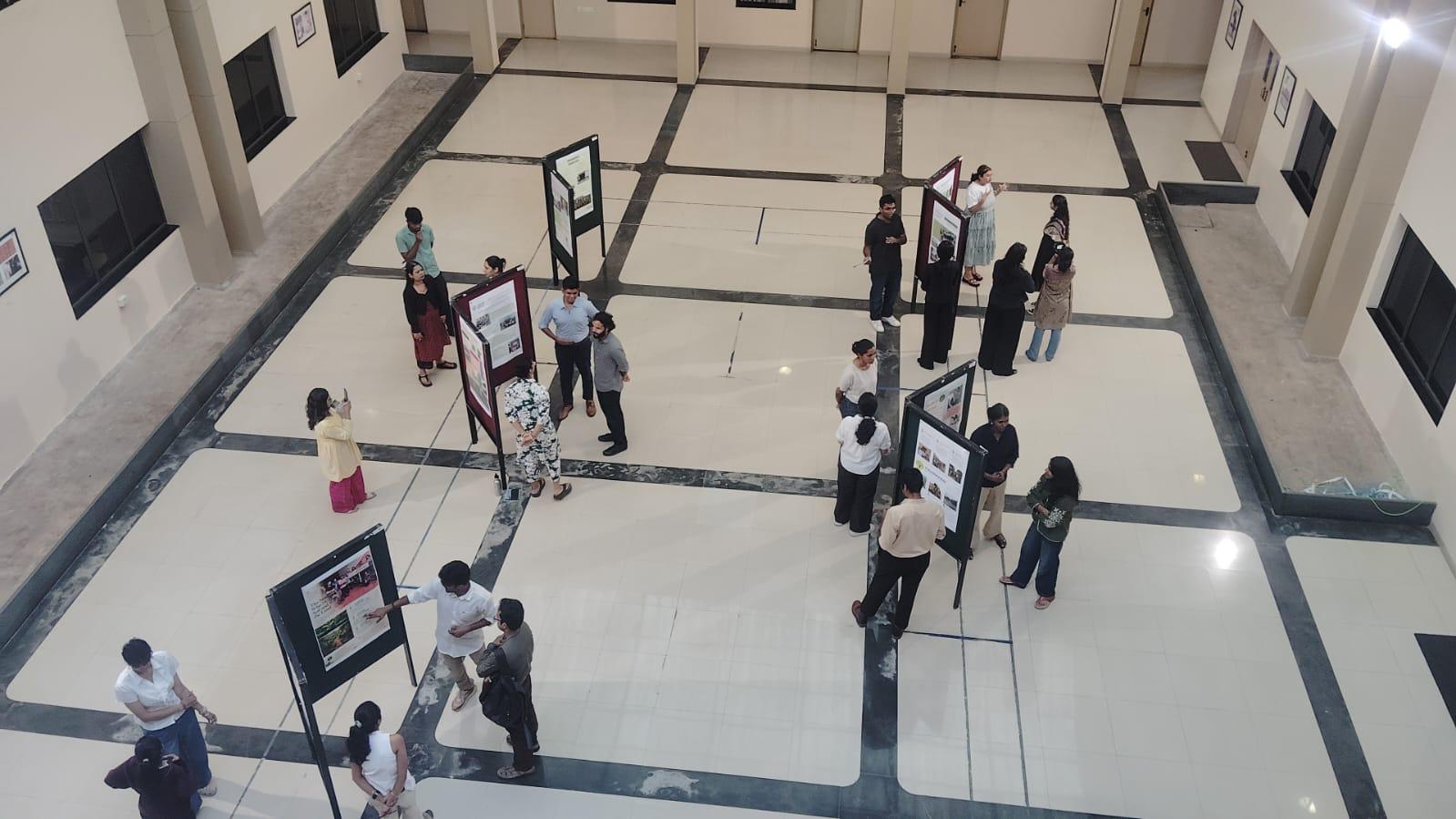
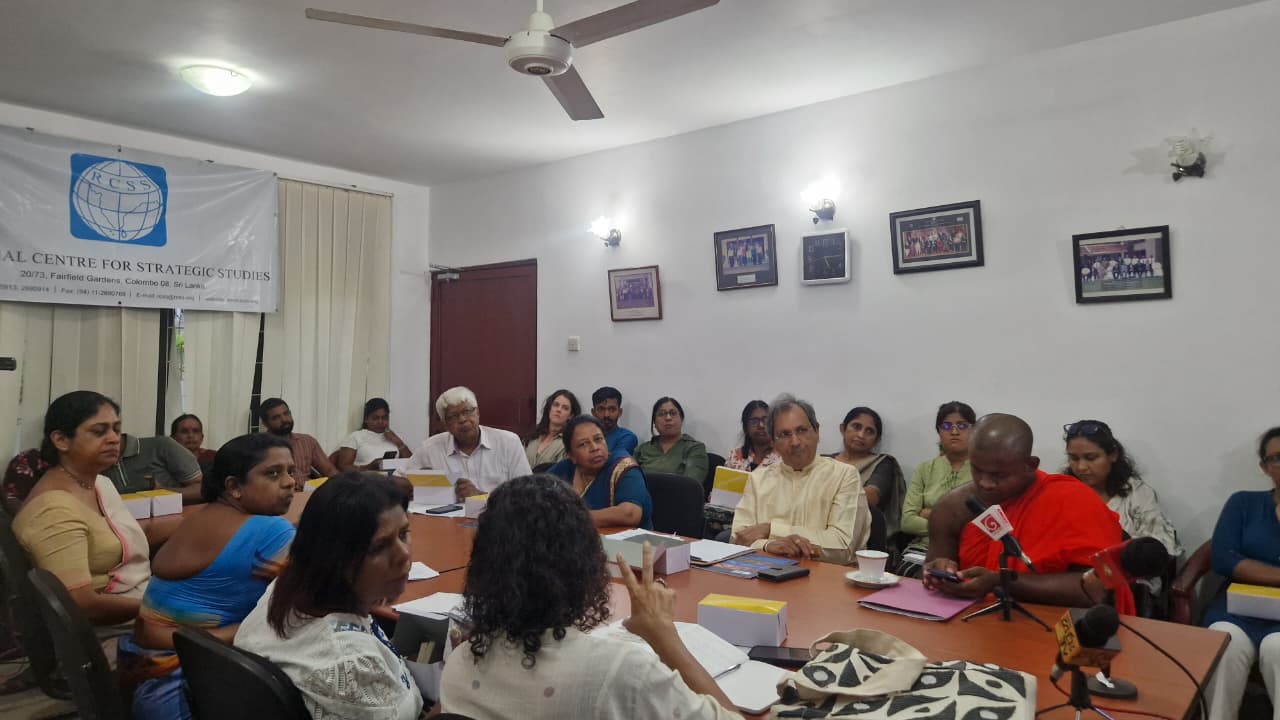
As part of the NIAS Climate Change, Civil Society and Peace (C3SP) initiative in collaboration with GPPAC South Asia, the workshop on “Building Capacity, Chronicling Resilience, Connecting Communities, Mapping Data” was held on 03–04 June 2026 at the National Institute of Advanced Studies (NIAS), Bengaluru. One of the sessions titled “Connecting Communities,” brought together civil society practitioners, local government representatives, and community leaders from Karnataka and Kerala to share their experiences in disaster response, environmental conservation, and citizen-led climate action.
Drawing on experiences from the Wayanad landslides, Bengaluru’s lake conservation movement, and youth-led environmental communication initiatives, the session explored how local communities, civil society organisations, and public institutions are strengthening disaster preparedness, ecological restoration, and climate resilience. The discussion highlighted the importance of local knowledge, community participation, and long-term environmental stewardship in responding to increasingly frequent climate-related challenges.
Community Response and Recovery after the Wayanad Landslides
K K Sahad, Member of Panchayat and Former President, Meppadi Grama Panchayat, Wayanad
Sibi Varghese, Assistant Director, Local Self-Government Department, Kerala
Krishnakumar K I, Department of Health Services, Kerala
Krishnakumar KI, Department of Health Services, Kerala
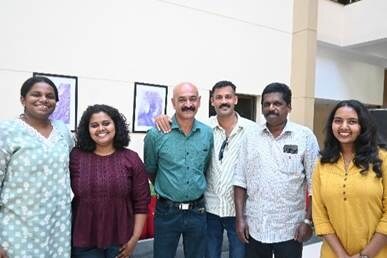
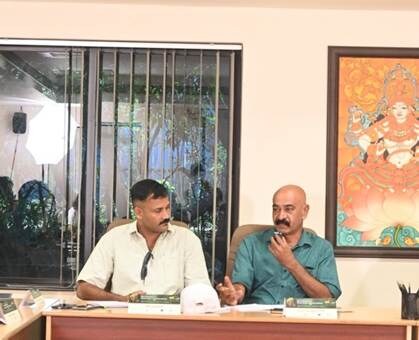
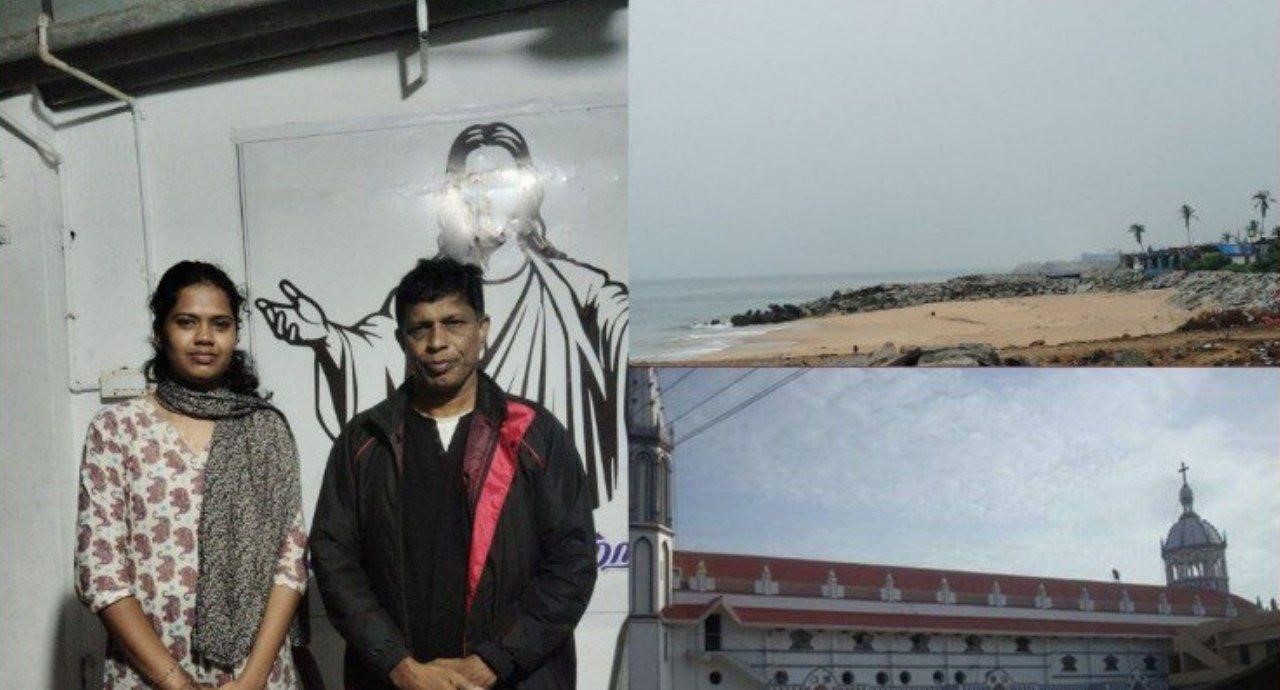
Reflecting on the aftermath of the Wayanad landslides, K K Sahad, Sibi Varghese, and Krishnakumar K I discussed the complex challenges of disaster response and long-term recovery. Identifying victims was one of the most distressing aspects that was observed during the post-disaster recovery process. In most instances, only scant fragments were recovered, and identification was not possible visually. To confirm identities and to return "remains" to the appropriate families, DNA testing was therefore used. The speakers also noted that a few victims had initially been buried following incorrect religious practices before DNA verification, after which the remains were respectfully exhumed and reinterred.
The discussion also highlighted the remarkable solidarity displayed during the disaster. Victims from the villages of Mundakkai and Chooralmala were buried in a common cemetery irrespective of religion, caste, or community, reflecting a shared sense of humanity during a period of immense tragedy.
The speakers recalled several deeply moving experiences, including that of a family that lost three children and an elderly mother during the disaster. Both parents survived but are still visiting the graveyard and respecting the memory of their children. Local communities played an important role in rescuing and rehabilitating the victims, which was clearly seen.
Community participation came about as one of the defining features of the response. Local clubs and volunteers, as well as religious and community groups, came forward to provide initial support, organise rescue missions, and to support affected families. Local knowledge's importance in disaster preparedness was also highlighted.
The government subsequently provided temporary housing, rental assistance, livelihood support, and constructed a permanent township in Meppadi, where 178 affected families have since been resettled. However, concerns remain regarding the long-term welfare of children who lost parents or livelihoods, many of whom continue to require educational and financial support.
Citizen-led Lake Conservation in Bengaluru
Madhuri Subbarao, Curator, Friends of Lakes and Founder, Earthitude Research Forum, Bengaluru
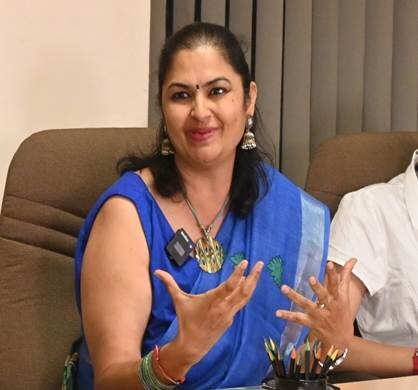
Drawing on more than three decades of environmental work, Madhuri Subbarao reflected on Bengaluru's rapidly changing urban landscape and the role of citizen action in conserving its lake ecosystems.
Once known as the "City of Lakes," Bengaluru possessed nearly a thousand interconnected rain-fed and stormwater-fed lakes linked to river systems such as the Kaveri, Arkavathi, Vrishabhavathi, and Dakshina Pinakini. However, rapid urbanisation and decades of neglect have severely degraded these ecosystems. Many lakes now fall under Category E of the Karnataka State Pollution Control Board classification, indicating conditions in which birds and animals struggle to survive.
Through the work of Friends of Lakes, extensive efforts have been undertaken to restore and protect Bengaluru's lakes. These initiatives have included lake clean-up drives, community engagement programmes, scientific water-quality assessments, and collaboration with government agencies to address pollution, fish deaths, debris dumping, and eutrophication. Public awareness campaigns such as Kere Habbas and advocacy against Plaster of Paris idol immersions have also contributed to conservation efforts. The organisation also mobilised local communities to prevent encroachments and protect lakes from commercial development. However, she also raised concerns regarding the transformation of lakes into recreational parks, which often fail to preserve aquatic biodiversity.
Madhuri Subbarao also noted that years of conservation work have revealed that environmental degradation continues largely because of a growing disconnect between people and nature. This understanding led to the establishment of Earthitude Research World, which focuses on climate resilience, sustainability, desertification, and environmental behaviour. Bengaluru's increasing water scarcity, declining green cover, and recurring floods demonstrate the urgency of these challenges.
The session concluded by emphasising that conservation begins with everyday behavioural changes. Human well-being remains inseparable from nature, and coexistence, sustainability, and interdependence are essential for a resilient future.
Youth-led Environmental Communication and Community Engagement
Dhruthi Anish and Namrata L. Ghanghatkar, Founders, The Bangalore Stringer
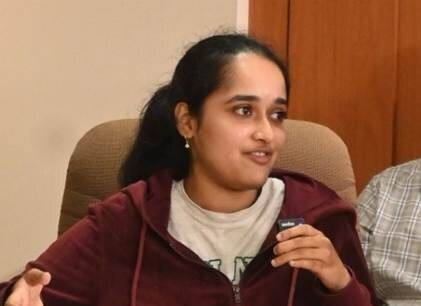
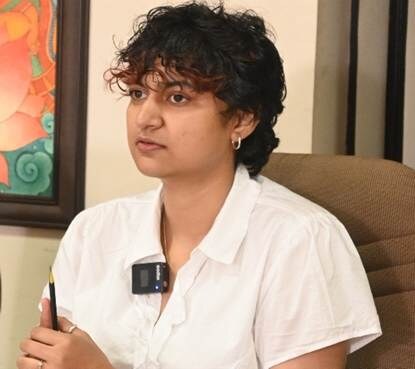
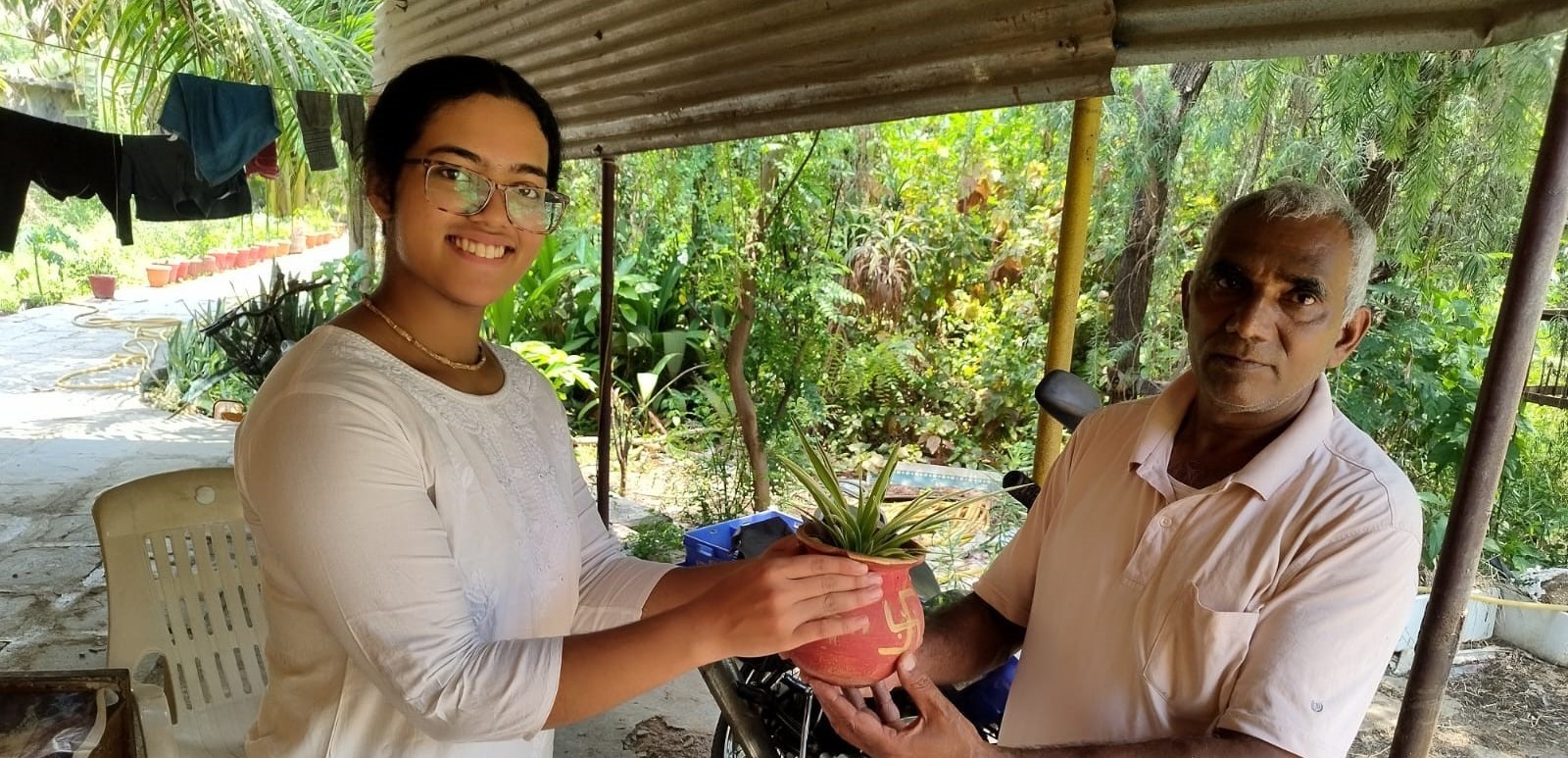
Dhruthi Anish and Namrata L. Ghanghatkar presented the work of The Bangalore Stringer, a youth-led environmental media initiative established to bridge the growing disconnect between people and the environment through storytelling and public engagement. Founded by students from Mount Carmel College, the initiative seeks to make environmental issues more accessible by documenting local biodiversity, grassroots conservation efforts, and community-led environmental action.
The idea emerged from a shared interest in environmental issues and was strengthened through collaboration among individuals from diverse academic backgrounds, enabling a multidisciplinary approach to conservation and public engagement. A key concern identified was the tendency to view nature as separate from human life. Environmental discussions often focus on large-scale issues or charismatic wildlife while overlooking local biodiversity and the role of communities in conservation. Bangalore Stringer was therefore established to make environmental issues more accessible, relatable, and inclusive for the public.
The initiative functions as a nature-centred media platform that promotes the principles of the circular economy, encouraging reuse, recycling, and sustainable resource management. Storytelling forms the core of its work, with a focus on documenting environmental challenges and highlighting grassroots efforts led by young people and local communities. The platform seeks to empower environmental communicators through networks of writers, storytellers, videographers, and content creators.
One of the organisation's notable projects, Cash Your Trash, was designed to encourage proper waste segregation through technology and behavioural incentives. The proposed mobile application would guide users in classifying waste, reward responsible disposal practices, and support community-based waste management systems such as vermicomposting. The project aimed to create an integrated model connecting households, recyclers, farmers, businesses, and environmental organisations.
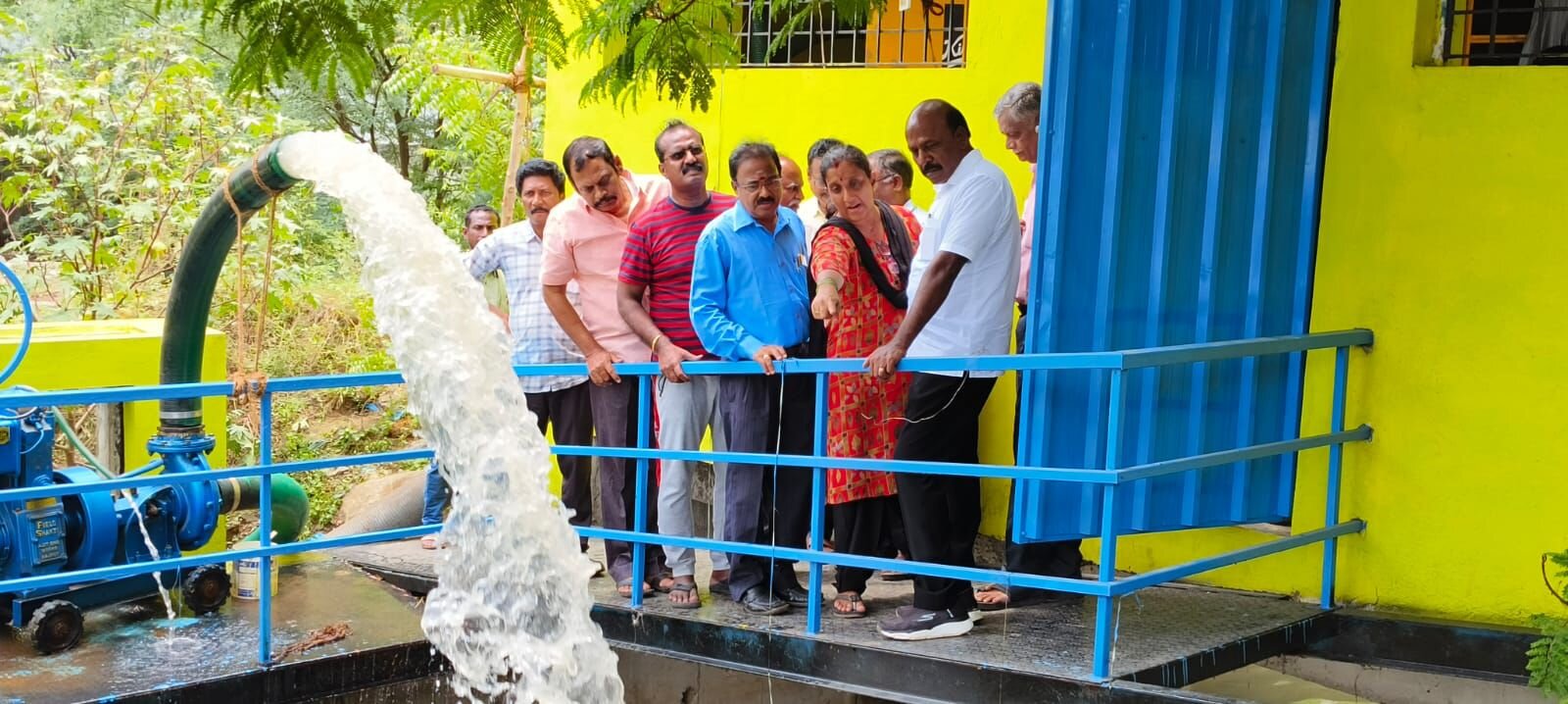
Another major initiative, Wake Up Bengaluru, focuses on raising awareness about environmental issues through an online newspaper, social media platforms, and digital content. Collaborations with conservation organisations further strengthened public engagement. The session concluded by emphasising that meaningful environmental change often begins through small but sustained community actions. Experiences from groundwater recharge projects and local conservation campaigns showed that collective citizen participation can create significant environmental outcomes while strengthening long-term climate resilience.
Concluding reflections
The session showed that strengthening climate resilience extends far beyond infrastructure and policy interventions. Whether responding to disasters in Wayanad, restoring Bengaluru's urban lakes, or mobilising young people through environmental storytelling, the discussions repeatedly highlighted the key role of communities in addressing climate-related challenges. Local knowledge, citizen participation, collaboration between civil society and public institutions came about as common threads connecting diverse experiences across Karnataka and Kerala. Collectively, these examples showed how resilient communities are built through informed, organised, and engaged citizens.