Preparedness requires investment before a disaster strikes
An Interview with Shri Nagendra Kumar Singh on Climate Change, Disaster Preparedness, and Emergency Response in Durg District

Anshika Thakur
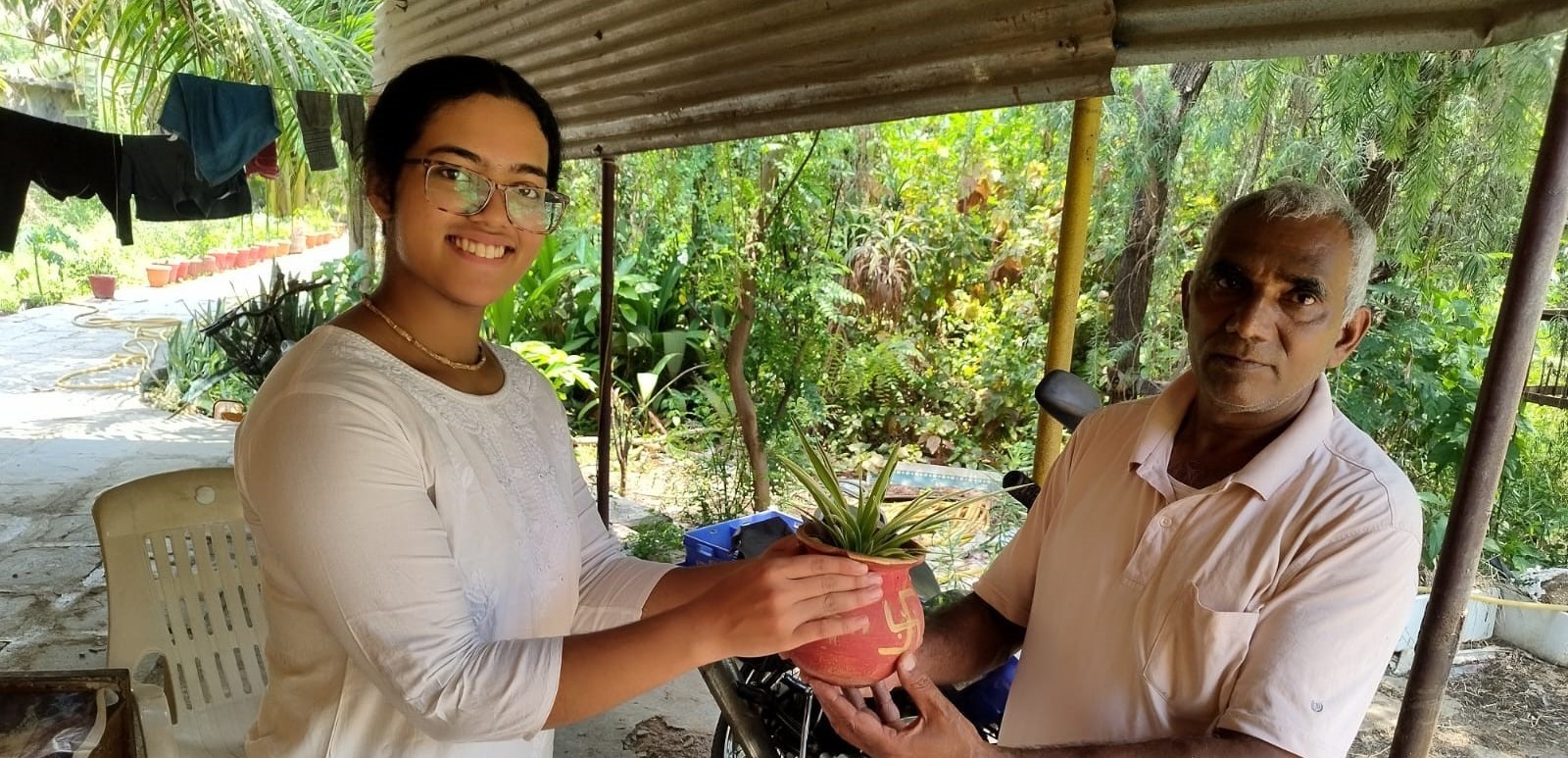
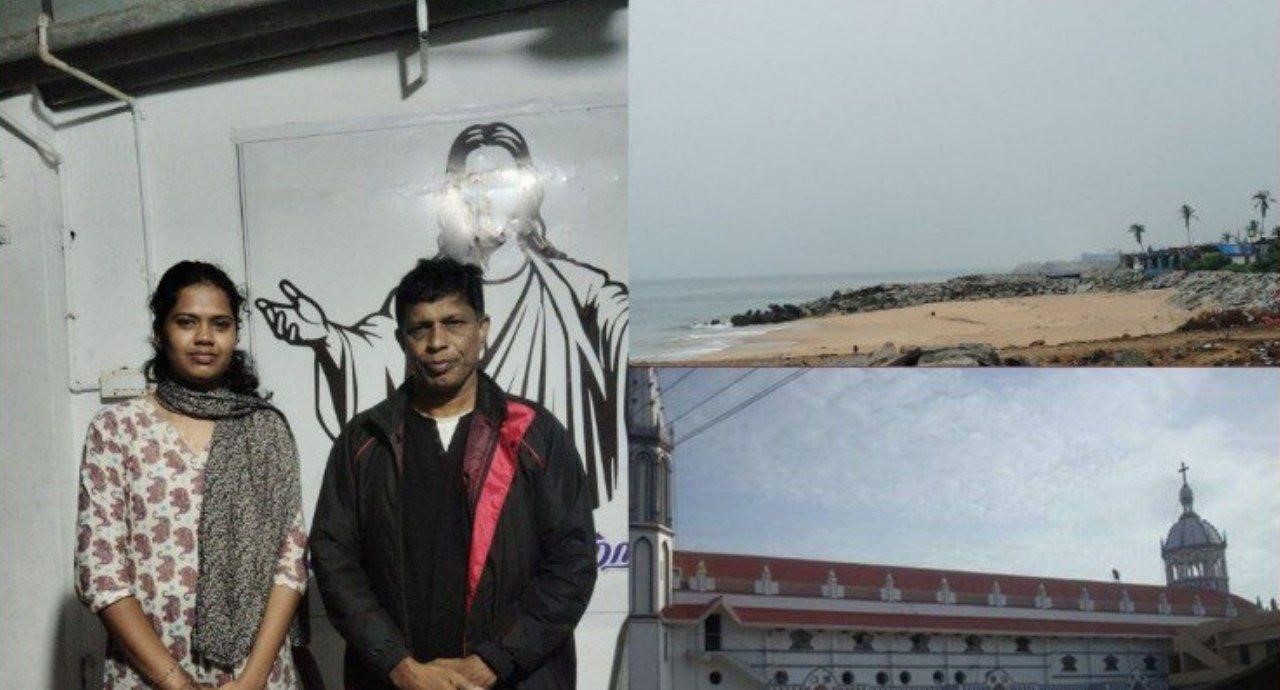
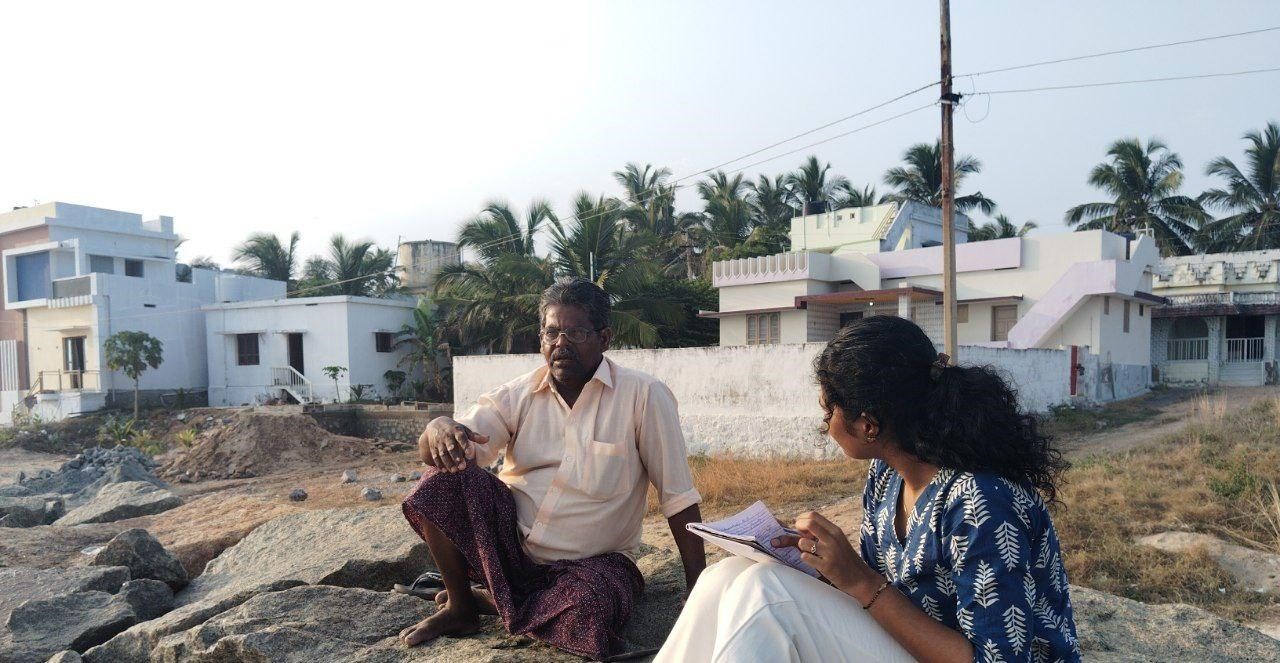
As part of the NIAS Climate Change, Civil Society and Peace (C3SP) initiative in collaboration with GPPAC South Asia, Anshika Thakur, undergraduate student at Mount Carmel College, Bengaluru, interviewed Shri Nagendra Kumar Singh, District Commandant, State Disaster Management Authority (SDMA) in Durg district. Working across disaster preparedness, emergency response, flood management, and inter-agency coordination, he oversees efforts to strengthen institutional preparedness and disaster response in one of Chhattisgarh's rapidly developing districts.
In this interview, Shri Nagendra Kumar Singh reflects on how climate change is reshaping disaster management, the growing importance of preparedness and early warning systems, institutional coordination during emergencies, logistical challenges faced by response agencies, and the need to integrate climate adaptation into disaster risk reduction as extreme weather events become more frequent and intense.
Q: What does disaster management involve beyond emergency response?
Most people think disaster management begins after a flood, fire, or accident occurs. In reality, most of our work happens before any disaster takes place. Disaster management is not handled by a single department. The administration, police department, health services, municipal bodies, Public Works Department (PWD), SDRF, NDRF, fire services, revenue officials, and local governance institutions all work together. We operate through a district control room and Emergency Operations Centre which serves as the central communication hub during emergencies. Regular preparedness reviews, inter-departmental meetings, contingency planning exercises, and risk assessments are conducted throughout the year.
Q: What impact has climate change had on disaster management planning?
The weather is no longer behaving according to the patterns we were used to. That makes planning more difficult. We are witnessing rising temperatures, changing rainfall cycles, prolonged droughts, urban flooding, forest fires, and increasingly severe heatwaves. Climate change does not always create new disasters, but it amplifies existing vulnerabilities. Heat-related challenges now affect public health, labour productivity, transportation systems, emergency response operations, and infrastructure. There have been reports from different parts of India of railway tracks deforming under prolonged high temperatures. Some of the most climate-sensitive regions in the district include areas around Tandula Reservoir, Kharkhara Reservoir, and parts of Nandgaon, where changing rainfall patterns and water management challenges require continuous monitoring.
Q: What are the key components of flood preparedness and early warning at the district level?
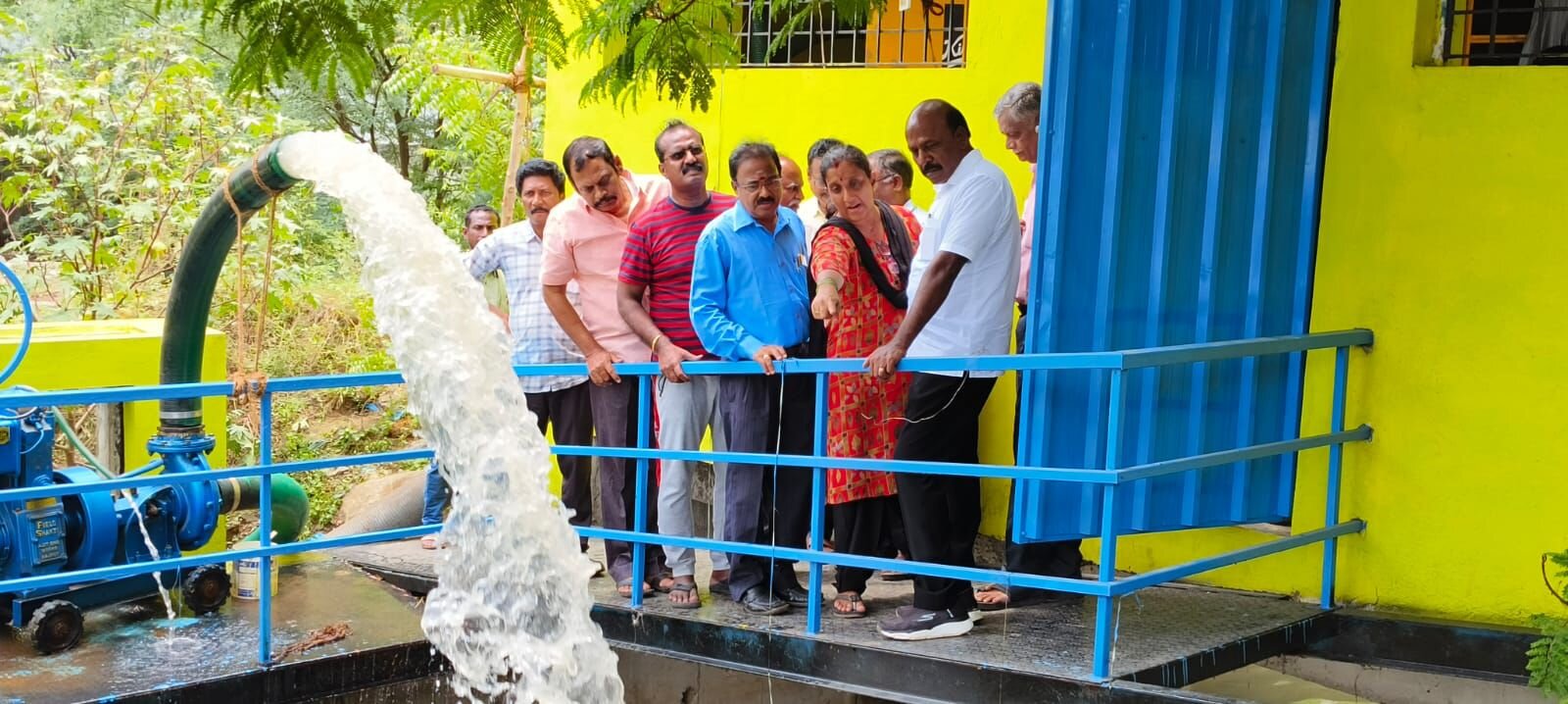
Flood forecasting begins long before flooding occurs. We continuously monitor information received from the India Meteorological Department (IMD) and the Central Water Commission (CWC). Reservoir capacities, river basin levels, rainfall forecasts, water release schedules, and danger levels are assessed regularly. During the monsoon season, dedicated review meetings are conducted to evaluate risks and prepare response strategies. Environmental changes have made forecasting more complicated. River routes and water flow patterns are changing due to urbanisation, encroachment, and deforestation. Areas that were previously considered safe may now experience flooding. Monsoon preparedness remains one of the biggest responsibilities of the district administration.
Q: What role do mock drills and preparedness exercises play in disaster response?
Mock drills are essential because disasters do not give warnings. We regularly conduct flood simulations, evacuation exercises, rescue operations, and fire emergency drills. These exercises help identify weaknesses in coordination systems before an actual emergency occurs. Preparedness is becoming increasingly important because climate change is increasing uncertainty and the frequency of extreme weather events. At present, we have approximately 360 trained volunteers and nearly 900 emergency volunteers who can assist during large-scale emergencies.
Q: How is disaster-related information disseminated to rural communities?
The first responders are often local people themselves. Warnings and emergency information are disseminated through Sarpanches, Kotwars, Gram Panchayat Secretaries, Revenue Inspectors, SDM offices, NGOs, local media, Rajswani Rakshaks, and community volunteers. Without community participation, disaster management becomes much more difficult. Our objective is to ensure that evacuation notices, warnings, and emergency instructions reach vulnerable populations as quickly as possible.
Q: What according to you are some of the key challenges in disaster response?
Resources remain one of our biggest challenges. In many situations we are required to cover large geographical areas with limited manpower and equipment. Many specialised rescue technologies used internationally are either unavailable in sufficient quantities or must be imported because India does not manufacture them. Equipment such as aluminium rescue boats, hydraulic platforms, advanced rescue systems, and technical extraction equipment are difficult to obtain. At present, many operations continue to rely on plastic rescue boats, which are less durable and can be dangerous under certain rescue conditions. Disaster funding is often linked to emergency periods rather than being maintained consistently throughout the year. Preparedness requires investment before a disaster strikes, not only after.
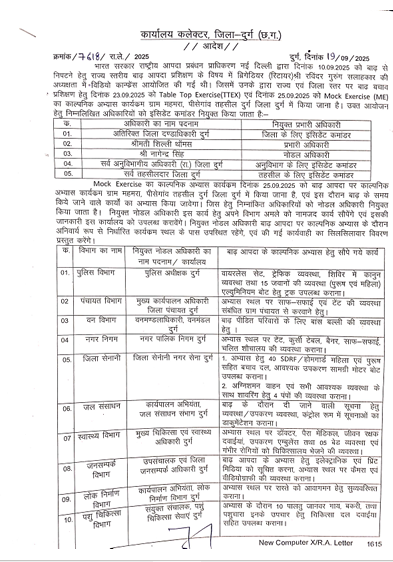
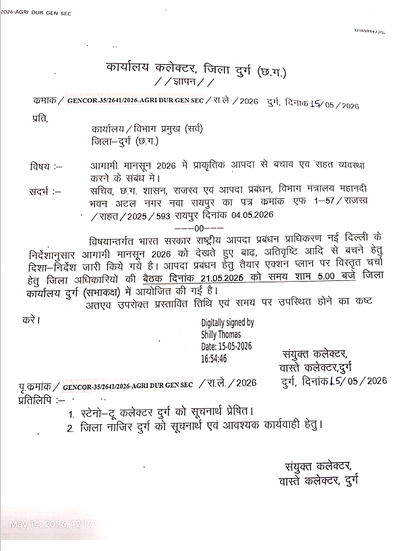
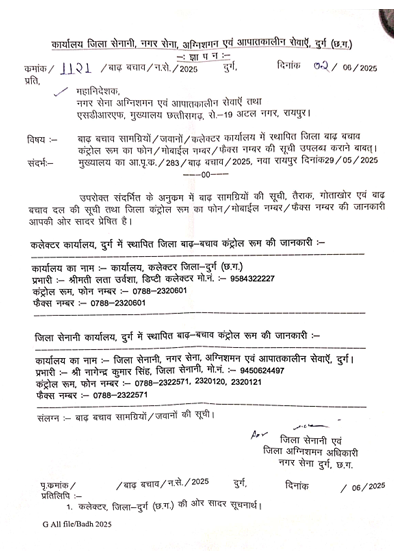
Official communications on flood preparedness protocols and awareness measures.
Q: What are the key aspects involved in post-disaster management?
Response is only the first stage. Recovery often takes much longer than rescue operations. Post-disaster work includes damage assessment surveys, compensation mechanisms, insurance assistance, relief distribution, and rehabilitation programmes. Restoring livelihoods, rebuilding infrastructure, and supporting affected communities often requires long-term intervention. The objective is not simply to respond to disasters, but to help communities recover from them.
Q: How are disaster risks evolving across India in the context of climate change?
Different regions face different threats. Coastal areas remain vulnerable to cyclones and storm surges. Himalayan states such as Himachal Pradesh face landslides, flash floods, and extreme rainfall events. Heatwaves, droughts, forest fires, and extreme weather events are becoming more frequent and severe across the country. At present, National Disaster Response Force (NDRF) teams are deployed across multiple states depending on seasonal risks and emerging threats. Coastal regions receive particular attention during cyclone seasons. Disaster management institutions now have to think beyond response and incorporate climate adaptation into planning frameworks.