NIAS–GPPAC South Asia Workshop on Climate Change, Civil Society and Community Resilience
Exploring disappearing water bodies, indigenous knowledge, climate migration, disaster governance, and civil society as zero responders
NIAS–GPPAC South Asia Workshop on Climate Change, Civil Society and Community Resilience
Exploring disappearing water bodies, indigenous knowledge, climate migration, disaster governance, and civil society as zero responders
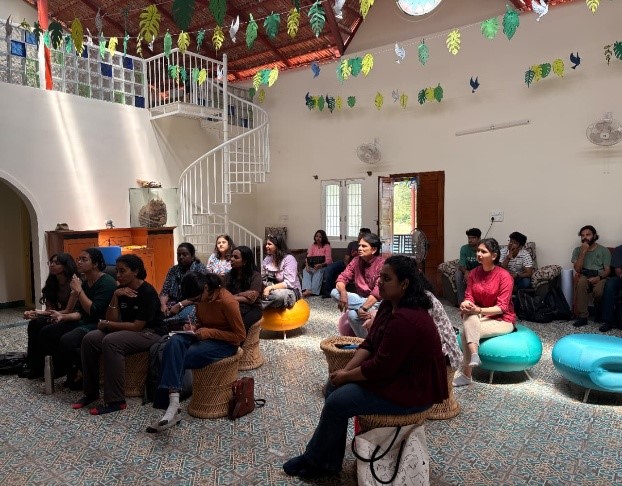
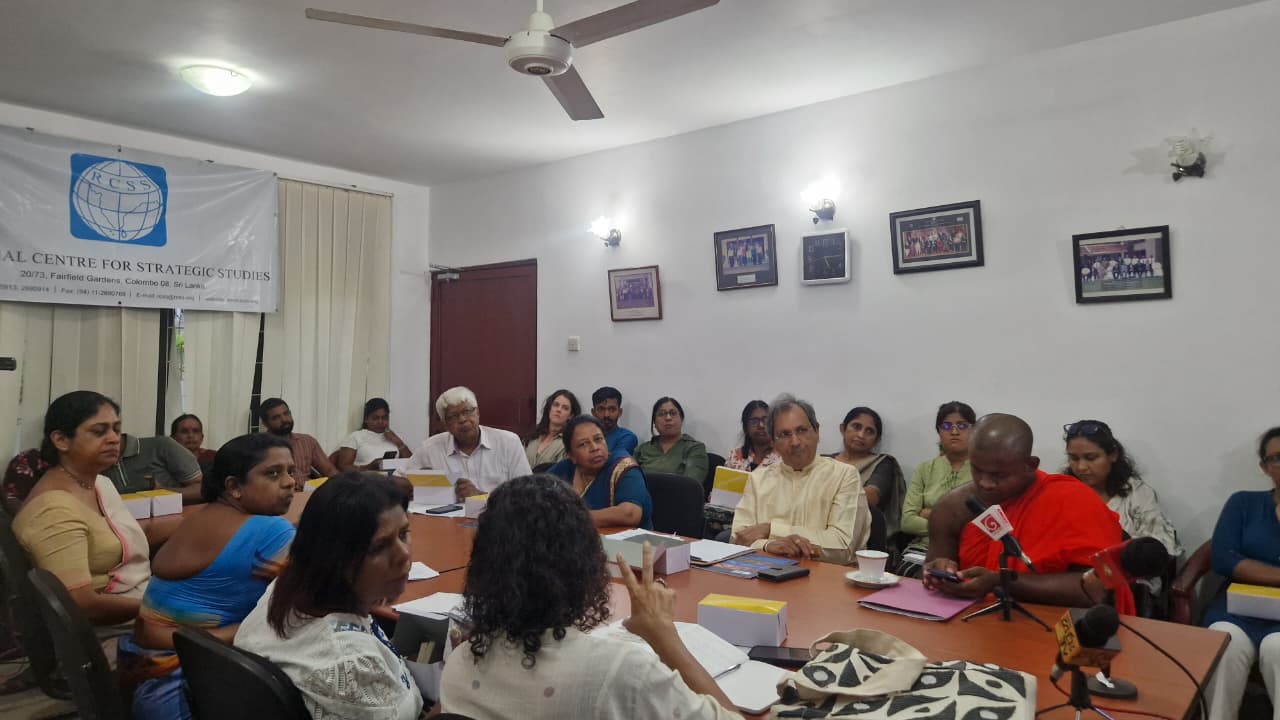
As part of the NIAS Climate Change, Civil Society and Peace (C3SP) initiative in collaboration with GPPAC South Asia, the workshop on “Building Capacity, Chronicling Resilience, Connecting Communities, Mapping Data” was held on 03–04 June 2026 at the National Institute of Advanced Studies (NIAS), Bengaluru. The session documented below brought together members of GPPAC South Asia including researchers, academics, and civil society practitioners who have examined emerging climate challenges across South Asia through interdisciplinary and community-based case studies.
The discussions covered disappearing water bodies in Goa, indigenous knowledge systems for sustainable development, climate migration, and the role of civil society as “zero responders” and first-mile connectors during climate-related disasters. The discussions covered disappearing water bodies in Goa, indigenous knowledge systems for sustainable development, climate migration, and the role of civil society as "zero responders" and first-mile connectors during climate-related disasters. The session also featured an interaction with GPPAC South Asia partners from Bangladesh and Sri Lanka, providing comparative regional perspectives on climate vulnerability, disaster governance, community resilience, and climate-induced displacement. Drawing on research and field experiences from India, Bangladesh, and Sri Lanka, the discussions highlighted the importance of integrating scientific research, indigenous knowledge, community participation, and policy engagement to strengthen climate resilience across South Asia.
Opening Remarks
Prof D. Suba Chandran, Dean, School of Conflict and Security Studies, National Institute of Advanced Studies (NIAS), Bengaluru.
Dr Mallika Joseph, Regional Coordinator, GPPAC South Asia.
Opening the session, Prof D. Suba Chandran introduced the objectives of the NIAS-GPPAC collaboration and outlined the broader research agenda on climate change and civil society. He highlighted that while official disaster response is generally associated with "first responders," communities and civil society organisations are often present long before formal institutions arrive. He described these actors as "zero responders" - the first individuals and organisations to mobilise rescue, relief, communication, and rehabilitation during climate-related disasters. Dr Mallika Joseph contextualised these studies within GPPAC South Asia's regional research initiative, explaining that each participating country selected locally relevant climate issues while sharing common concerns regarding community resilience and civil society engagement.
Disappearing Water Bodies in Goa
Dr Bibhu Prasad Routray, Director, Mantraya Institute for Strategic Studies (MISS), Goa.
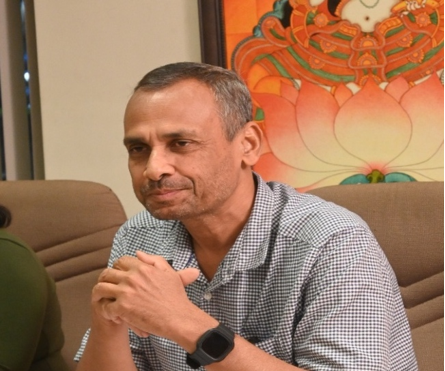
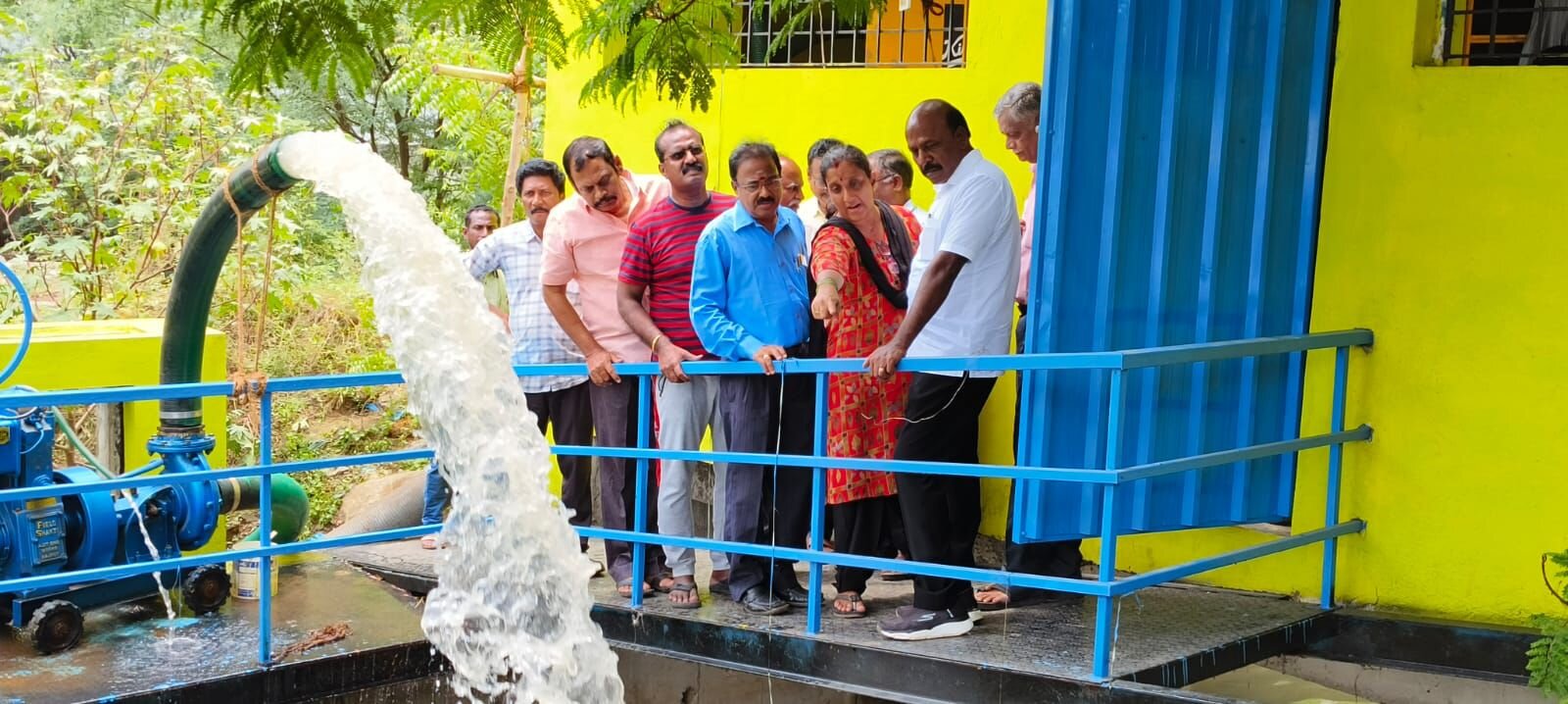
Disappearing water bodies in Goa examined how a state often perceived as water-rich and environmentally secure suffers from a water crisis. Along with 11 rivers rising from the Western Ghats, Goa also has several wetlands, Khazan lands, lakes, estuaries, and groundwater that are used for agriculture, fisheries, human settlements, and cultural identity. However, lack of water in the supply line is not a factor in Goa's rise in water-related problems; instead, these are consequences of unplanned development, poor planning, and lack of environmental control.
Officially, groundwater extraction is still within the safe limits, but the amount of extraction has gone up by about 65 per cent in the period 2011-2023. One of the main reasons for this is the skyrocketing demand for real estate. Post-COVID-19, the work-from-home culture, along with the buying power of wealthy Indians, NRIs, and foreigners, resulted in rapid construction of luxury homes, gated communities, hotels, and second homes. Mostly, these locations are unoccupied, however, their water usage is quite high, especially by swimming pools, gardens, and the extraction of groundwater. Furthermore, the construction on the slopes of hills and plateaus has killed the natural water drainage channels which has led to a decrease in groundwater recharge as well as river flow.
For instance, in the case of Toyyar Lake in Chimbel, a wetland important for irrigation, groundwater recharge, and flood control. Proposed plans for a INR 161 crore Unity Mall and a 17-storey administrative tower near the lake generated public opposition due to concerns over wetland destruction and manipulation of ecological buffer zones. The project was eventually suspended following protests.
Tourism, in fact, worsen environmental damages due to release of untreated sewage, excessive use of groundwater, intrusion of the sea water and greater microplastic contamination. Although there are environmental regulations for example, laws protecting the wetlands and regulating the use of groundwater, their implementation is very weak. Changes in land use planning, in particular Section 39A, have caused more worries about the possibility of land conversion and less public control. However, well-organized civil society movements, NGOs, judicial proceedings, and a more widespread public awareness opposing projects that are harmful to nature still pose a threat to the detrimental developments. These efforts point positively to the conservation of Goa's delicate water systems.
Prithvi Darshana: Revitalizing Indigenous Epistemes for a Sustainable Future
Prof Krishna Menon, Dean, School of Human Studies and Professor, Gender Studies, B.R. Ambedkar University, Delhi.
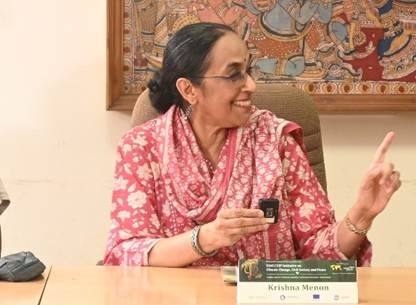
At its core, an examination of how understandings of the earth are constructed and which knowledge systems are granted authority. Situating the discussion within the contemporary “decolonial turn,” climate and sustainability debates require examining not only knowledge itself but also the power structures that produce and legitimise it. Colonial systems privileged Western epistemologies while systematically discrediting indigenous ways of knowing, creating an “epistemological project of delegitimisation.”
Drawing on the experience of the Prithvi Darshana programme at B.R. Ambedkar University, Delhi, an alternative approach to knowledge production is illustrated. The programme embedded research scholars in rural communities for a year, replacing the detached “bird’s-eye view” of experts with an immersive and collaborative “worm’s-eye view.” The term “Darshana,” signifies more than observation; it reflects a philosophical mode of understanding where knowledge carries responsibility toward the earth. This juxtaposes the extractive research practices where communities become sources of data rather than partners in knowledge creation.
Furthermore, indigenous knowledge is neither uniform nor static. Indigenous epistemologies are plural, relational, and historically situated. They require continual examination of who produced knowledge, under what conditions, and in whose interests. However, one must be cautioned against romanticising indigeneity, noting that claims of “pure” or “original” knowledge can be appropriated by majoritarian politics and become exclusionary. WISCOMP’s feminist decolonial peacebuilding framework identifies epistemicide, the suppression of knowledge systems, as a form of violence alongside physical and structural forms of harm.
Women’s environmental knowledge relating to seeds, water, and soil has often been dismissed despite its importance. Further, the term “climate crisis” resonates better with the magnitude and irreversibility of the current crisis that is clearly rooted in gender, caste, age and class inequity. The conclusion is a plea for epistemic pluralism, for no one's knowledge system has a monopoly on truth. Learning with communities, essential for effective responses to the climate crisis.
Climate Migration in India: A Look at the Policy Landscape and its Practice
Dr Samata Biswas, Professor and Coordinator, Department of English, The Sanskrit College and University, Kolkata.

Climate migration is emerging as one of the most pressing challenges in India and South Asia. Drawing on nearly three decades of research by the Calcutta Research Group on migration, forced migration, and refugee studies, I emphasize that climate-induced displacement remains insufficiently addressed despite growing awareness of climate change.
Through examples ranging from Cyclone Amphan to reports on water scarcity, data centres, extreme weather events, and agricultural distress, I highlight how climate change is closely linked to migration. Water stress, rising temperatures, erratic monsoons, floods, droughts, and environmental degradation increasingly force vulnerable communities to leave their homes and livelihoods. These impacts are particularly severe for marginalized groups, agricultural workers, and informal labourers who often lack social protection and economic security.
India already experiences large-scale climate displacement, with millions losing their homes annually due to floods and other climate-related disasters. Coastal flooding, sea-level rise, glacial hazards, landslides, riverbank erosion, and prolonged droughts continue to intensify migration pressures across the country. The poorest communities are affected first and most severely, often experiencing repeated cycles of displacement.
A major concern is the absence of a dedicated national climate migration policy. Existing frameworks such as the Disaster Management Act primarily focus on short-term relief rather than long-term rehabilitation, livelihood restoration, education continuity, and social protection. While policies such as the National Action Plan on Climate Change, state climate action plans, employment guarantee schemes, and climate-resilient urban planning initiatives offer indirect support, they fail to adequately address climate-induced migration.
Significant policy gaps remain in legal recognition, portability of welfare entitlements, relocation planning, post-relocation support, and data collection. The lack of clear institutional responsibility further complicates effective responses. Addressing climate migration requires comprehensive policies that prioritize dignity, long-term rehabilitation, social inclusion, and climate resilience while recognizing migration as a central consequence of environmental change.
Civil Society as Zero Responders and First Mile Connectors Report by NIAS Team
The second half of the session focused on NIAS research examining civil society's role during climate-related disasters through three field-based case studies.
Civil Society as Zero Responders & First Mile Connectors: A Case Study of the 2024 Wayanad Landslides
Brighty Ann Sarah, Research Assistant, NIAS-STIR Program, National Institute of Advanced Studies, Bengaluru.
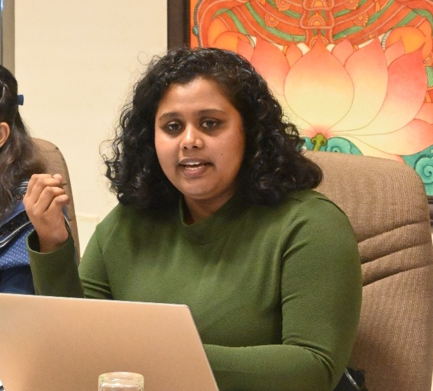
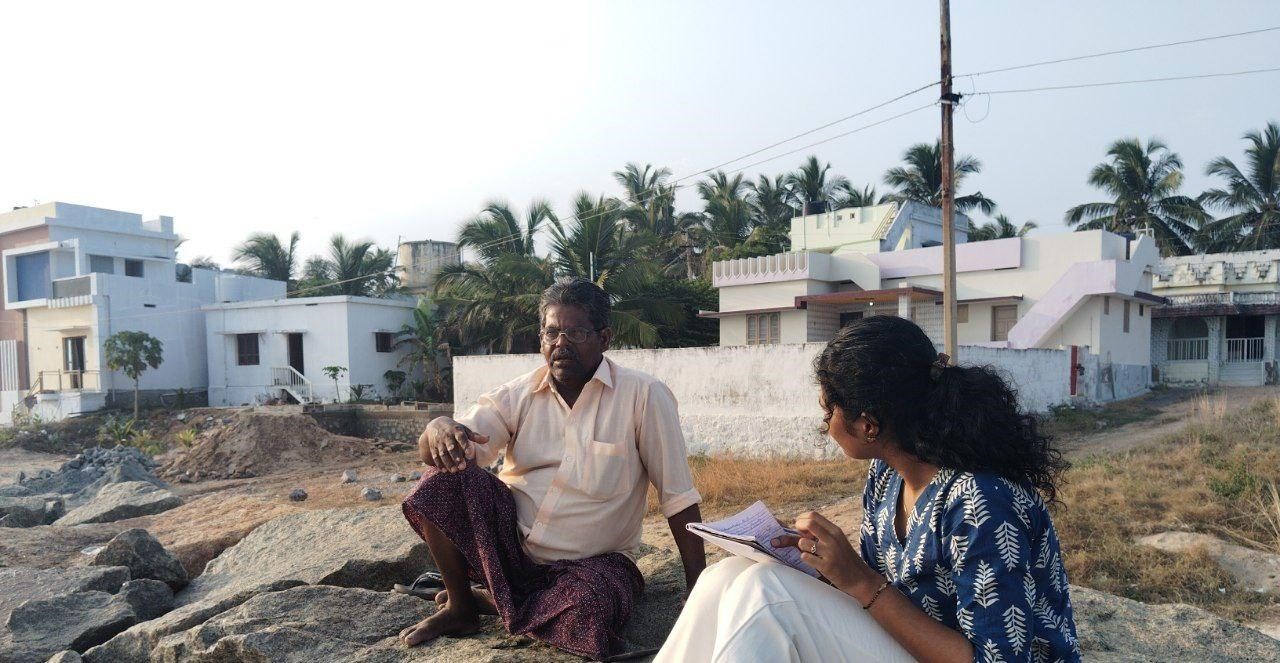
The fieldwork conducted in Wayanad, Kerala, examines the 2024 Mundakkai-Chooralmala landslides. The study examines the experiences of the community, their perceptions of risks, adaptation strategies to recurrent climatic hazards, preparedness and institutional capacity, and the rehabilitation and resettlement process after a disaster.
The disaster took place in the ecologically fragile Western Ghats, a biodiversity hotspot of the world. The plateau region of Wayanad in Kerala is densely forested, steeply sloped, with fragile soils and lateritic soil, making it very susceptible to flooding and landslides. Multiple landslides broke out on 30 July 2024 near the headwaters of the Iruvanji River, following an unprecedented cloudburst that dumped around 572 mm of rain over 48 hours. The river course was altered, and secondary flooding was caused by the massive flow of mud, rocks, boulders and debris which moved 6–7 kilometres through Punjirimattom, Mundakkai and Chooralmala. More than 420 people were killed, 397 injured and 118 have been missing in the disaster.
During which, civil society became the main “zero responder.” Social collectives, youth groups, organisations (including Karma), political groups, and religious groups, as well as ASHA workers and Kudumbashree mobilised rescue and relief, communication, and rehabilitation activities. The local people who knew the area started the rescue efforts before help could arrive. District-level inter-agency coordination mechanisms were also created to smoothen the process of aid delivery and avoid duplication of effort. Lack of effective early warning systems, lack of disaster management plans specific to the zone, community lack of education and awareness of disaster risk, disaster fatigue, gaps in the disaster management system and political/bureaucratic barriers to the introduction of scientific knowledge into policy making were among the main problems encountered.
The key lessons included the importance of disaster preparedness, disaster warning systems, disaster rescue systems, civil society as a first responder, use of indigenous knowledge in policy, strengthening of and improvement in existing policies, and increasing scientific engagement at the grassroots level and promoting climate-resilient rehabilitation.
Urban Flooding, Community Responses, and Grassroots Capacities: A Case Study from Chennai
Preetha Renganarayanan, Research Assistant, NIAS-STIR Program, National Institute of Advanced Studies, Bengaluru.
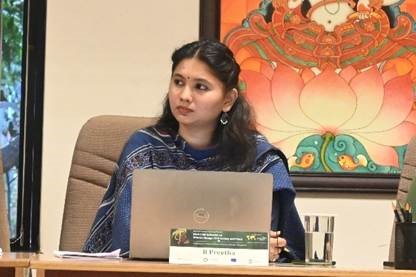
“Urban flooding, Community responses, and Grassroots capacities,” examines climate resilience in Chennai through case studies of Medavakkam, Chitlapakkam, and Velachery. It investigates how citizens respond to disasters and contribute to flood management and ecological restoration.
Floods in Chennai are predominantly caused by ecological, governance, and planning changes in the city rather than heavy rainfall only. Problems most often mentioned include destruction of water infrastructure, insufficient drainage systems, occupation of floodplains, decrease in groundwater recharge, ineffective emergency communication, and loss of the interconnected lake system. Medavakkam was flooded up to its neck during the 2023 floods due to the breach of the lake bund. However, citizen-led audits indicate that the factors leading to flooding were infrastructural deficits, broken regulators, lack of maintenance, and policies.
One of the important conclusions is that the lakes in Chennai can be seen as a continuum of an ecological network. Degradation of lakes like Kalleri and Chinna eri along with Medavakkam Periya eri was also one of the reasons for flood risks and ecological decline in the area, and hence, restoration of individual lakes alone was not effective. The study also points out the connections between flooding and water scarcity, as damaged lakes will cause decline in groundwater recharge and long-term water security.
Civil society became an important player in climate governance. RWA's and civil society groups were the “zero responders,” and were frequently the first to respond before government agencies. Local knowledge was developed through the activities of citizen groups: GIS mapping, environmental monitoring, flood audits, and advocacy activities. Women had significant leadership positions in these activities. The Chitlapakkam Rising group showed how sustained engagement of citizens, ecological restoration and community solutions contribute to enhanced resilience. In conclusion communities came about as crucial players in disaster response, environmental governance, and disaster long-term adaptation to the climate.
Civil Society as Zero Responders and First Mile Connectors: Lessons from Cyclone Ockhi in Kanyakumari District
Lekshmi MK, Research Assistant, NIAS-STIR Program, National Institute of Advanced Studies, Bengaluru
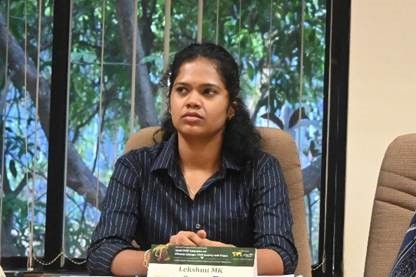
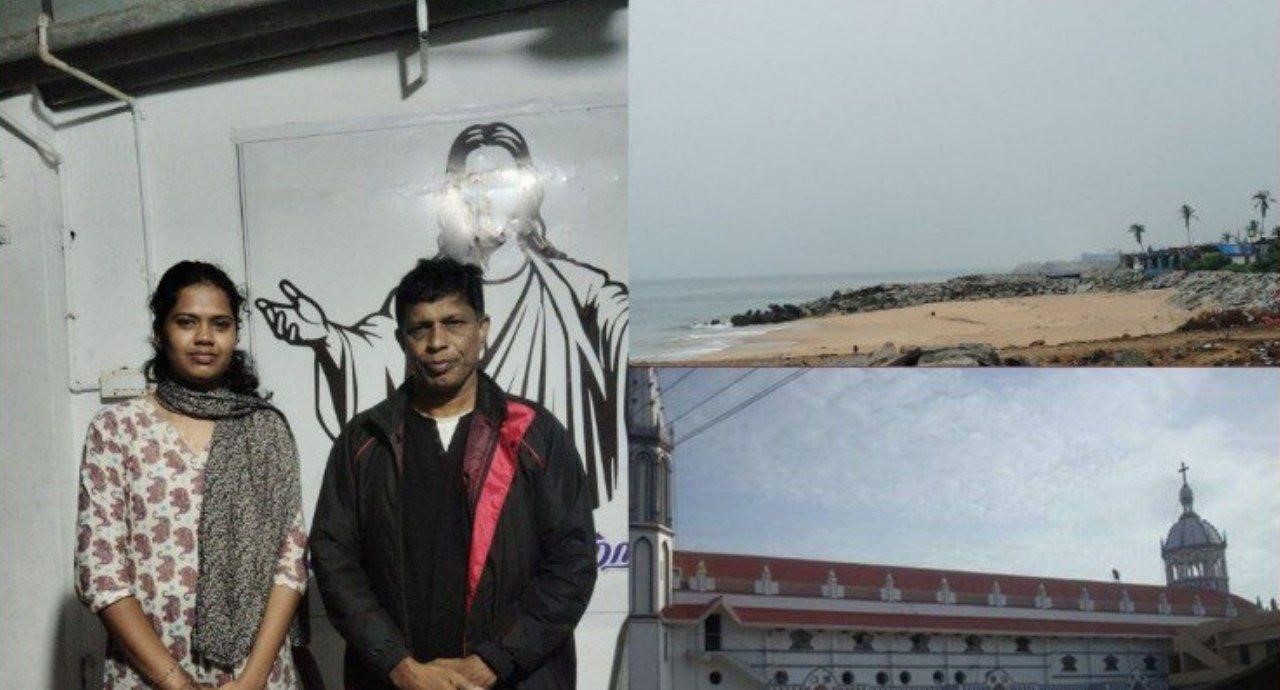
The Lessons from Cyclone Ockhi in Kanyakumari District examines the role of civil society during Cyclone Ockhi (2017) in Kanyakumari district, focusing on how coastal communities acted as zero responders and first-mile connectors during a major climate-related disaster. Kanyakumari’s coastline is not homogeneous. The fishermen of the villages along the Arabian Sea coast are highly skilled in deep-sea fishing, and venture far into the sea, making them vulnerable to the unexpected formation of Cyclone Ockhi over the Arabian Sea on 30 November 2017.
The cyclone resulted in heavy human and economic losses. Several fishermen were caught at sea without proper warning, communication, or rescue support. The disaster exposed major weaknesses in disaster governance, including failures in early warning dissemination, weak communication systems, poor institutional coordination, and inadequate preparedness. It also illustrated the strength of the local communities. Fishermen started their rescue efforts on their own boats, churches provided relief and information, and community organizations provided the resources and support they could provide to the affected families.
Some instances of grassroots action involve a local shopkeeper who, after collating his own information about the cyclone, warned the fishermen and community-based rescue operation. It includes a railway blockage, which helped to galvanize the authorities to increase the search efforts. Families who lost loved ones were also supported by civil society, frequently before formal institutions got involved.
The main cited issues are communication failures, lack of community government linkages, uncertainty over livelihoods due to climate change, psychosocial trauma, and lack of visibility of coastal issues in policymaking processes. Finally, the coastal communities have a strong ability to respond to disasters. For long-term climate resilience and preparedness, communication technologies need to be strengthened, community members need to be included in disaster governance, collaboration with government agencies needs to be improved, and local knowledge needs to be recognized.
Interaction with GPPAC South Asia Partners
Ashish Banik, Chamika Wijesuriya, Jehan Perera
Following the presentations, participants interacted with representatives from GPPAC South Asia, who shared research findings and field experiences from Bangladesh and Sri Lanka. The discussion highlighted common climate challenges across the region, including cyclones, floods, climate-induced displacement, weak disaster governance, and the growing importance of community participation in building long-term resilience.
Ashish Banik
Bangladesh is highly sensitive to climate change due to its geographic location, high population density, and dependence on climate-sensitive sectors such as agriculture. It has several environmental problems like storm surges, river erosion, flash floods, cyclones and more. Yet it emerged as a strong precedent of climate resilience. For example, cyclone deaths have dropped sharply since the 1990s. This is due to the effective disaster preparedness programs, extensive participation of the community, and advanced early warning systems. Coastal areas, in particular, were identified as major climate hotspots. These areas face a high risk of damage from cyclone, tidal surges, and the encroachment of saltwater, which are the major causes of disruption to both agriculture and the livelihoods of the people. In the central riverine areas, yearly river erosion leads to loss of land and displacement of thousands of families having the necessity to move. Flash floods that occur in the Haor basin of northeastern Bangladesh year after year destroy crops and pose a big challenge to food security. In addition to that, the northwestern districts are experiencing drought, heat stress, and depletion of groundwater at an increasing level.
Similarly, climate-induced displacement is a major challenge in Bangladesh. Along with the housing shortage, unemployment, food and health problems, and the rising pressure on local services are some of the reasons for rapid urbanization. The situation is further complicated by the absence of a legal tool that acknowledges the population displaced by climate change. Climate migrants lack a legal status with limited support by existing polities for planned relocation, social protection, and long-term rehabilitation. Thus, Climate governance will be effective only if there is increased coordination of institutions, increased coherence of policy, and increased accountability, and increased engagement with communities. There is a need for increased focus on climate justice and especially on vulnerable groups and how to protect and support them. Along these lines, Bangladesh is leading the way with initiatives such as climate-adaptive agriculture, salt-tolerant crop varieties, community-led adaptation methods, and digital warning systems to most coastal communities.
Chamika Wijesuriya
Sri Lanka is one of the countries that is increasingly vulnerable to climate-induced disasters, particularly following Cyclone Ditwa. The cyclone was classified as the worst disaster in the country's recent history. The cyclone affected nearly 2.3 million people, caused over 639 deaths, leaving hundreds missing. It also inundated nearly 20 per cent of the country. Mass displacement revealed the underlying weaknesses of the disaster-prone communities, especially the central hills communities. Field studies in areas including Upcot and Udadumbara, revealed that climate impacts are being amplified by longstanding socio-economic inequalities. The Malayaha Tamil community is known as the most affected community. They have traditionally been associated with plantation life and still experience insecurity of land ownership, substandard housing, bad infrastructure, and restricted access to state services. Furthermore, knowledge about formalized DRR protocols and evacuation was limited, especially for children and elderly residents. Disaster response was also restricted due to poor road infrastructure, limited telecommunications connectivity, and inadequate access to healthcare.
Displacement remained a major concern. While, majority of the affected families are still living in temporary shelters, some families are also living in high-risk areas. This is despite the government advising them to move to safer places. Relocation has been complicated due to disputes over land ownership and by the desire of affected populations to relocate as groups rather than individuals. A large number of plantation residents were not part of the housing compensation programmes. This is because their homes are majorly owned by the plantation companies rather than by themselves. The results showed that there was a need for holistic policy measures such as hazard mapping, land tenure reforms, better infrastructure and health and education services. It also highlighted a more participatory approach towards integrating marginalised groups into climate adaptation planning. In addition, attention was also given to youth involvement, women empowerment and community-based DRR projects. The need to tackle structural inequalities was also emphasised as key to effective climate resilience in Sri Lanka beyond disaster response action.
Jehan Perera
Research conducted after a devastating cyclone and landslides in Sri Lanka, focused on challenges related to compensation and resettlement of affected communities.
One issue involved Malaiyaha Tamil plantation workers, many of whom live in company-owned or state-owned housing on tea estates. Since they do not legally own their homes, compensation for damaged or destroyed housing became complicated despite severe losses.
The second issue concerned Sinhalese rural communities living on state-owned land that they have occupied and cultivated for generations. While they treat land as their own, they do not own the land legally.
Following the disaster, the Government had urged them to move out of landslide prone areas. But local surveys in five affected communities revealed that they were having huge difficulties: they lacked appropriate land to redevelop; they did not have enough money to buy new land; and they strongly did not want to move alone, preferring to move together.
The survey also found that while residents were warned ahead of the disaster, many did not evacuate due to concerns about losing their possessions, not being able to go anywhere else, and not wanting to leave their community.
The victims received compensation for the loss of their lives, house repair and emergency relief, but the resettlement is still not fulfilled. There are still many families that remain in vulnerable areas, where there are no viable alternatives and where the desire to maintain community networks is present. No active measures have been taken to enforce relocation, although the government has welcomed it, and the underlying risks have not been addressed.
Conclusion
The session put forth that climate resilience deeply depends on active participation of communities, civil society organisations, and local institutions. Whether examining disappearing water bodies in Goa, indigenous knowledge systems, climate migration, disaster responses in Wayanad, Chennai, and Kanyakumari, or regional experiences from Bangladesh and Sri Lanka, the discussions all across highlighted the importance of community leadership, locally grounded knowledge, and collaborative governance. Together, the presentations reinforced the central premise of the NIAS–GPPAC research initiative: that communities are often the "zero responders" and first-mile connectors whose knowledge, networks, and collective action are indispensable for strengthening climate resilience across South Asia.