Climate Change and Civil Society: Interviews from the Field
Climate Change and Community Responses in Coastal India
Lekshmi MK
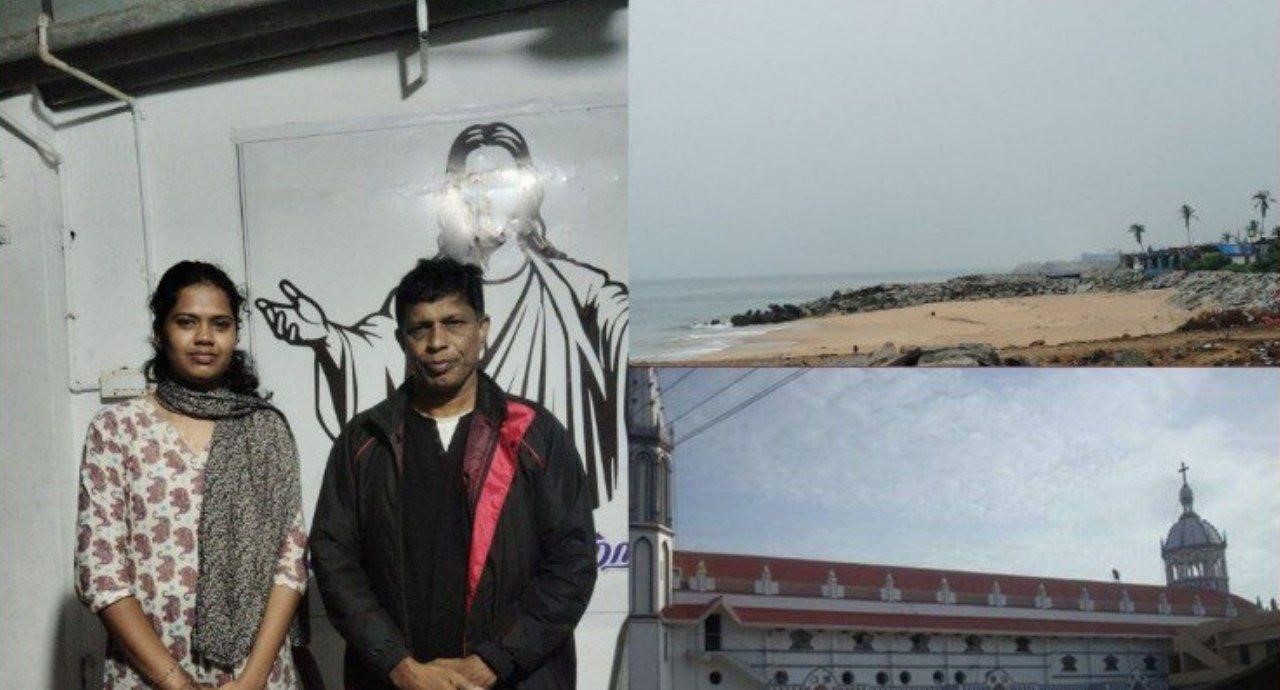
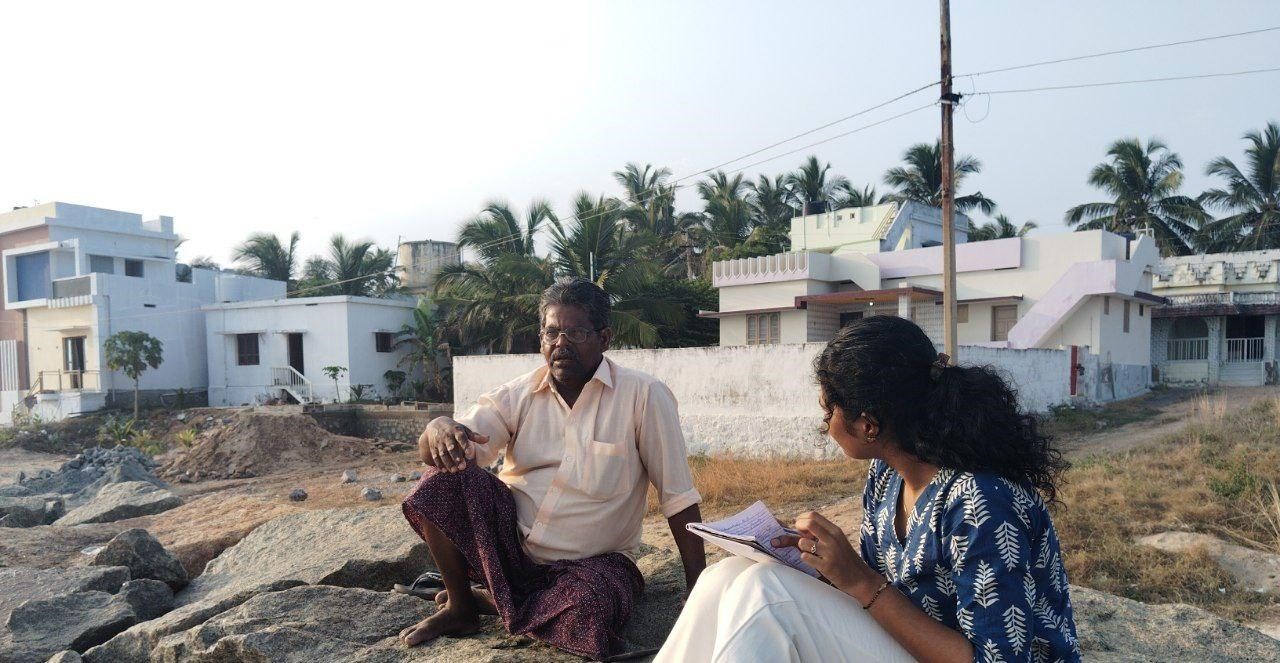
As part of the GPPAC South Asia research on Climate Change, Civil Society & Peace in South Asia, Lekshmi MK, Research Assistant at the National Institute of Advanced Studies, Bengaluru, interviewed Rev. Fr. Anto George from Thoothur to understand the lived experiences of coastal communities in Kanyakumari district and the changing trends associated with climate change.
The coastal fishing communities of Kanyakumari district have historically depended on the sea for their livelihood, culture, and everyday survival. In recent decades, local residents and fishermen have observed noticeable changes in coastal and environmental conditions, including irregular wave patterns, unpredictable rainfall, coastal erosion, declining fish availability, and increasing uncertainty in weather conditions.
Major events such as the 2004 Indian Ocean Tsunami and Cyclone Ockhi further exposed the vulnerabilities of fishing communities, particularly those engaged in deep-sea fishing in the Arabian Sea.
Alongside natural changes, issues such as sand mining, harbour construction, deforestation, and inadequate disaster preparedness have also intensified concerns among coastal residents regarding environmental sustainability, livelihood security, and disaster resilience.
What kinds of changes have you observed in the sea, weather, and fishing conditions over the years in Kanyakumari district?
Climate change has brought several environmental changes in Kanyakumari district. One of the major changes is the alteration in rainfall patterns and wave patterns along the coast.
Earlier, waves generally moved in predictable directions, but now large waves often move from west to east in unusual patterns.
Another significant change is the occurrence of extreme weather events outside their usual seasons. Cyclone Ockhi occurred outside the normal monsoon cycle, indicating climate change impacts.
Earlier, rainfall cooled sea water temperatures and helped bring fish closer to the coast. Due to global warming and changing ocean patterns, this natural cycle has weakened significantly.
What are some of the major challenges fishing communities are facing today?
Fishing communities in villages such as Thoothur mainly operate in the Arabian Sea, which is considered a highly risky deep-sea zone.
Earlier, tidal waves naturally balanced sand movement along the coast. Today, wave patterns have become shorter and irregular, contributing to coastal erosion.
Seasonal tides often remove sand and expose house foundations. Sand extraction and harbour construction also violate Coastal Regulation Zone norms and disrupt natural coastal systems.
Have you noticed any changes in the predictability of weather or seasons?
Disasters have become far more unpredictable. Sometimes there is continuous heavy rain, while at other times there is intense heat.
Mountains and forests regulate rainfall patterns and block strong winds. Deforestation and environmental degradation disrupt these natural weather systems.
What has the responses from the state and civil society been?
During Cyclone Ockhi, institutions focused more on compensation rather than immediate rescue operations for stranded fishermen.
Many deep-sea fishermen did not receive timely warnings from authorities, creating major economic and physical risks.
Incorrect and delayed weather warnings created confusion and financial losses for fishermen who remained dependent on accurate marine forecasts.
How are the fishermen coping with the changing conditions?
During Cyclone Ockhi, fishermen themselves rescued more than a thousand people at sea despite limited disaster management training.
Modern fishing boats now carry extremely large fishing nets, ice, diesel, and water supplies for long fishing trips, creating additional risks during rough weather.
Due to declining fish stocks, fishermen travel farther distances and sometimes cross international maritime boundaries, leading to arrests in neighbouring countries.
How to improve climate resilience and disaster preparedness?
There is a need for stronger disaster management systems and better early warning mechanisms supported by advanced technology and accurate forecasting.
Government institutions and local organisations must improve preparation for marine disasters, including training fishermen and strengthening rescue systems.
Preventing deforestation, regulating sand mining, and protecting coastal ecosystems are essential for reducing the long-term impacts of climate change on coastal communities.