Coping with Climate Change: Gendered Experiences and Responses
An interview with Escaline, Ancy, Keten and Emerite, coastal community women from Puthenthurai, Kanyakumari district, discussing climate change, coastal livelihoods and the experiences of women in the community.
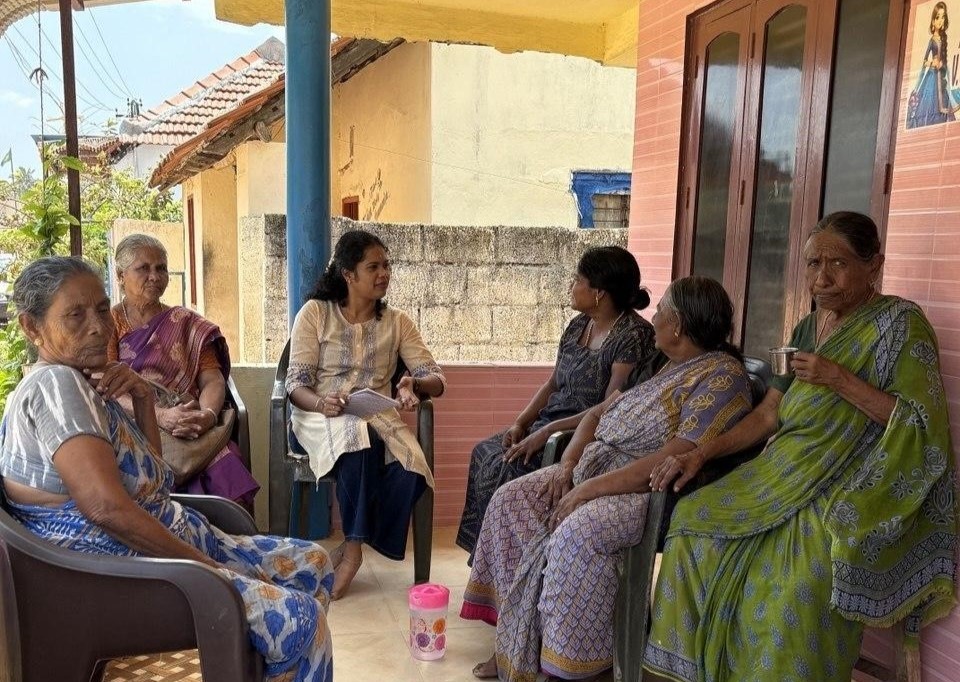
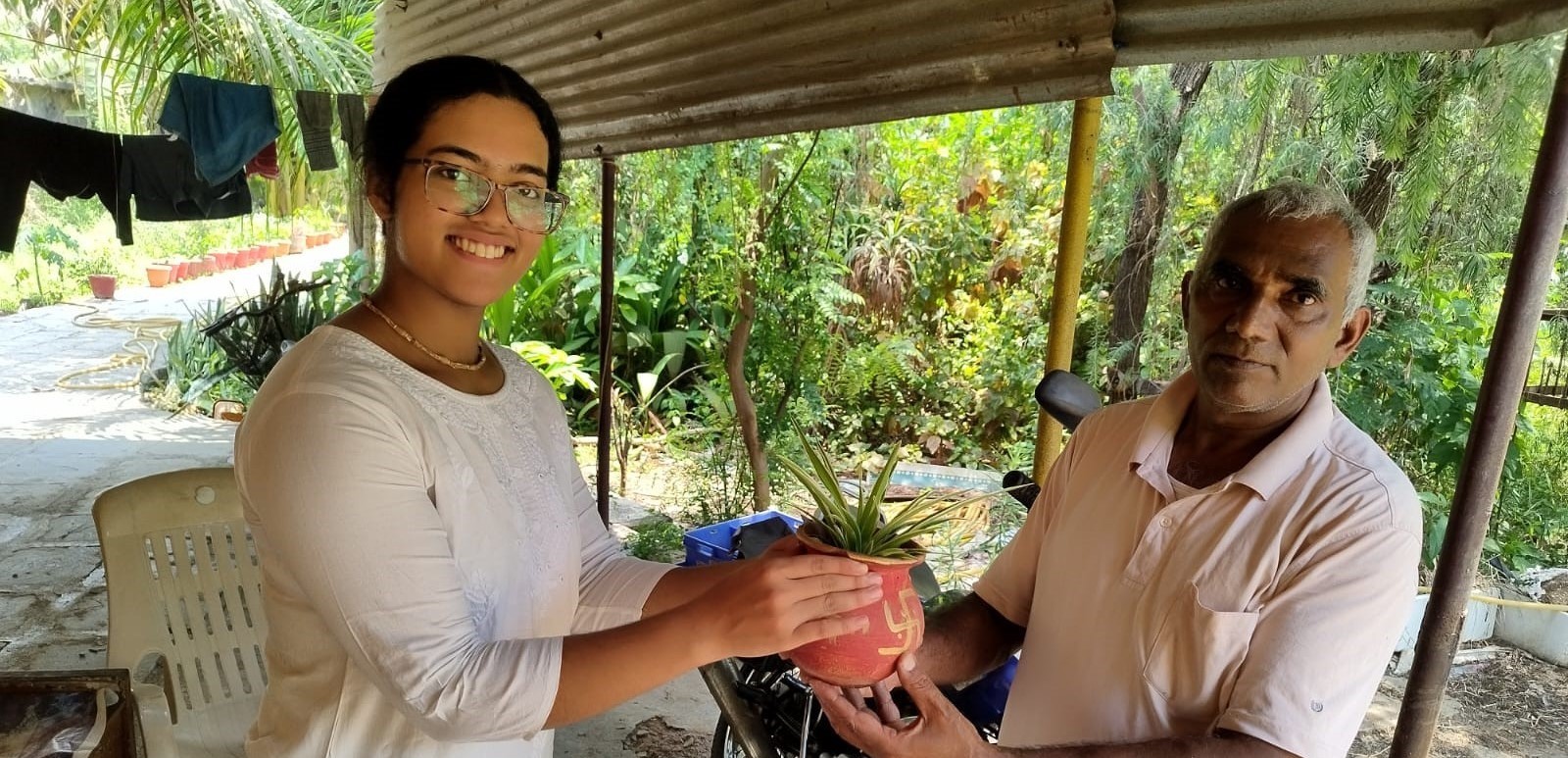
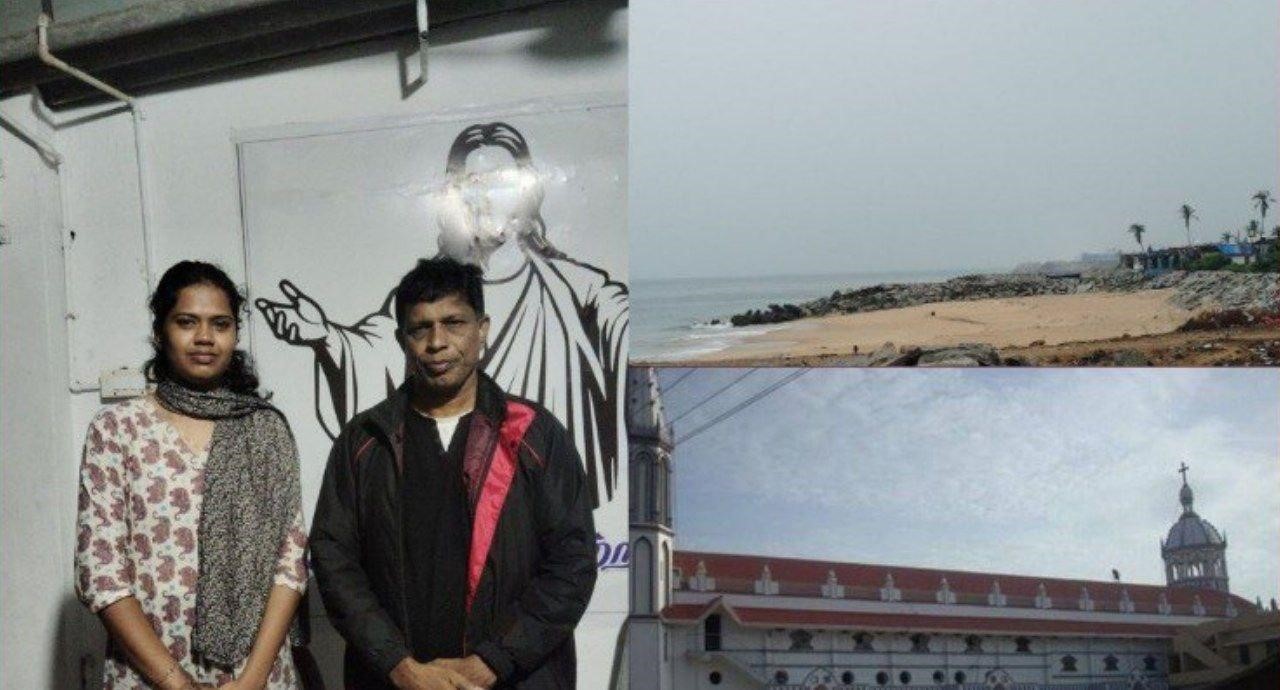
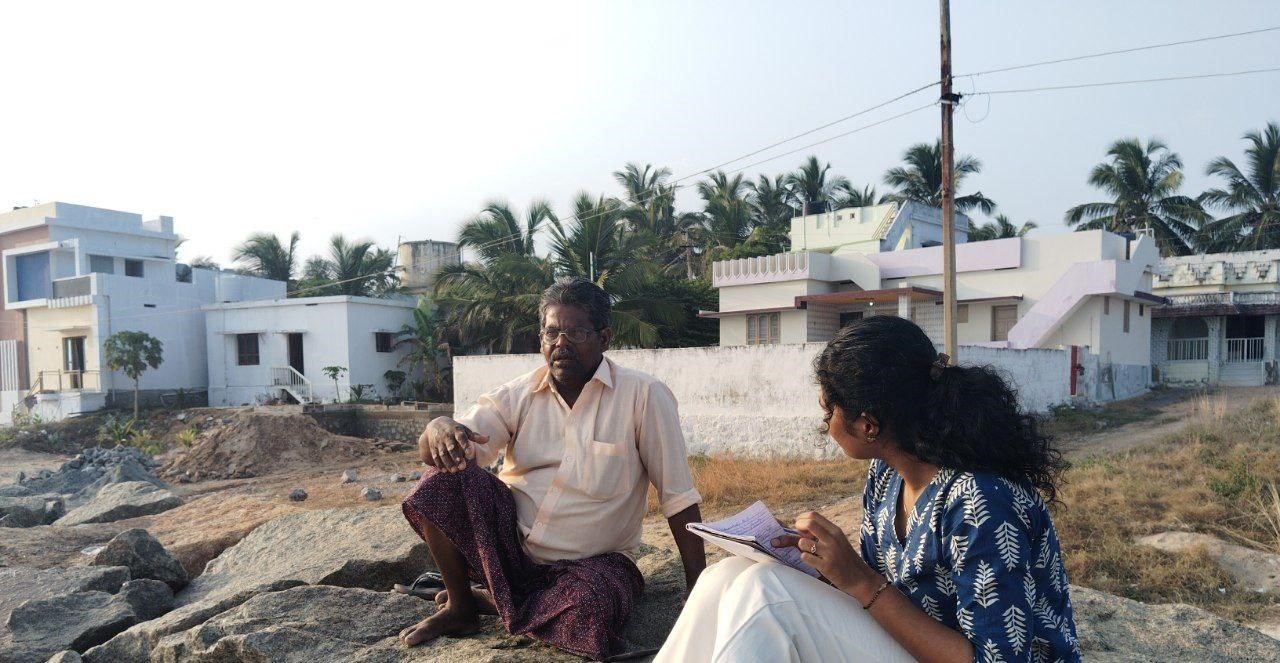
As part of the NIAS Climate Change, Civil Society and Peace (C3SP) initiative in collaboration with GPPAC South Asia, Lekshmi MK, Research Assistant at the National Institute of Advanced Studies, Bengaluru, interviewed Escaline, Ancy, Keten and Emerite, women from the coastal community of Puthenthurai in Kanyakumari district. The conversation explored the experiences of women in a community where fishing is the predominant source of household livelihood and income. The respondents shared their observations and experiences in Tamil, and the responses have been translated into English for the purpose of this report.
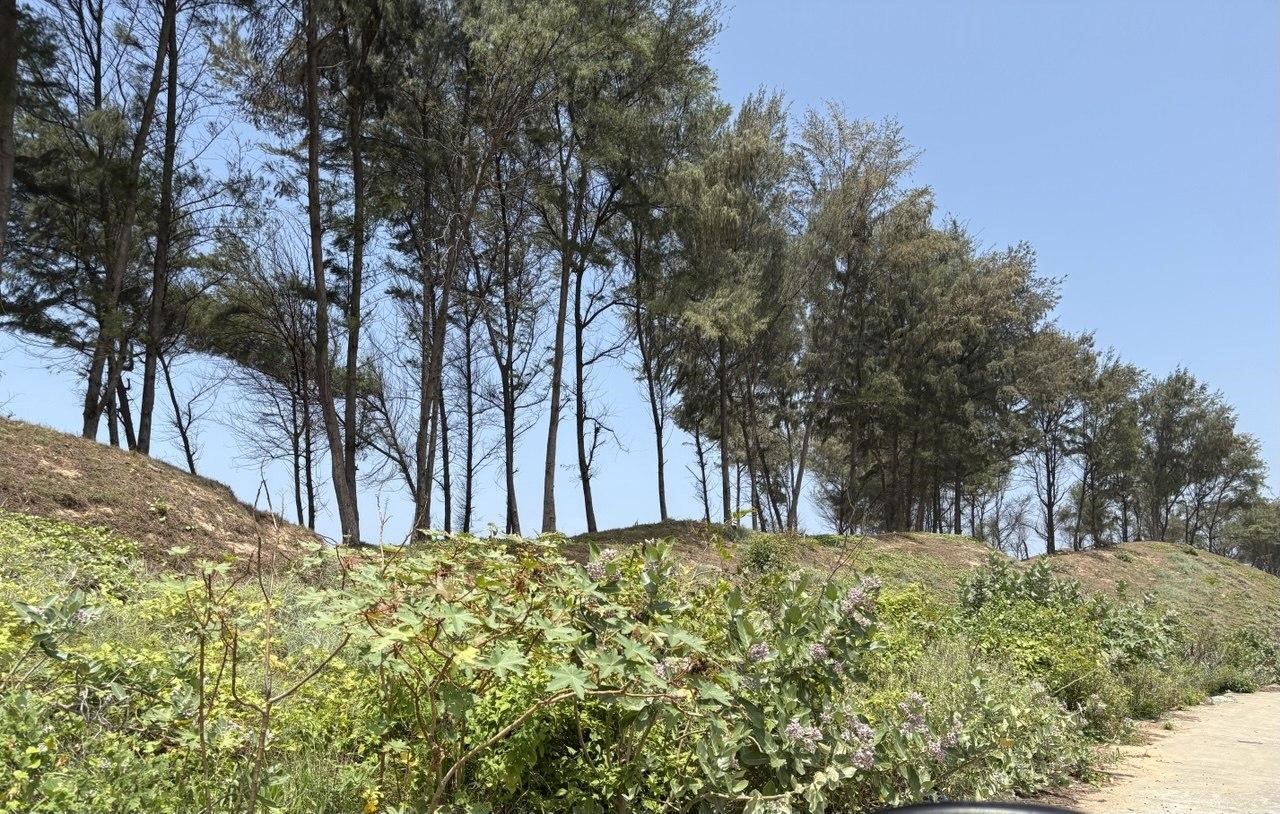
Puthenthurai is a coastal village in Kanyakumari district that was historically characterised by extensive sand dunes along its coastline. According to the women interviewed, these sand dunes were an important part of the village’s landscape and provided a natural coastal buffer. They recalled that people could walk through the dunes to neighbouring villages and that children used to play there. The women also associated the presence of these dunes with the village's protection during the 2004 Indian Ocean tsunami, noting that the dunes helped shield the settlement from the impact of the waves.
The women recalled that, over a period of several years, large sections of the sand dunes were removed under a food-for-work programme associated by them with Catholic Relief Services (CRS). According to their account, people from several coastal villages, including Puthenthurai, were provided food items such as rice, wheat, milk powder and bread in exchange for labour to remove the sand dunes. They noted that poverty and the immediate need for food and income encouraged local communities to participate in the programme, despite the longer-term consequences they now associate with the loss of the dunes. Their responses provide an important perspective on how environmental changes, livelihood dependence and economic vulnerability intersect with gender in coastal communities.
1. What changes have you seen in the sea, coastline and sand dunes in Puthenthurai over the years?
Earlier, there were large white sand dunes along the coast. Children played there, and people used to walk through the dunes to cross from one village to another. Over time, the dunes have reduced because of soil erosion and sand removal, and seawater has started coming further inland. This has also affected community spaces and damaged structures such as the fishermen’s shelter. The women also observed a decline in the availability of different fish species.
2. Earlier, what work did women in the village do for income?
Women’s livelihoods were largely dependent on men’s fishing activities. Unlike women in some other coastal communities, these women were not directly involved in fish vending, fish marketing or other major post-harvest activities. Their traditional income-generating activities included net-making and shell-stringing, which have now declined or stopped, partly due to the introduction of machine-made fishing nets. Some women also engaged in small petty shops and informal businesses selling everyday requirements for fishermen, materials used for repairing fishing nets, and tobacco and other smoking-related products used by fishermen. However, these activities provided only limited income. With the decline of traditional livelihoods and limited opportunities for independent income, women remained highly dependent on men’s earnings from fishing.
3. With changes and the decline in fish availability, how has women’s work and income within the family been affected?
The availability of fish has declined, and fishing has become more uncertain. Since the community depends heavily on fishing, this affects household income. Women also do not always receive money directly from their husbands, making them more financially dependent on the household income from fishing.
4. When the family’s income from fishing is affected, what additional responsibilities or difficulties do women have to take on?
Women continue to manage household responsibilities even when the family’s income is affected. With fewer traditional livelihood opportunities available to them, they have limited options to earn independently. Women participated in the 100-day employment programme through activities such as pond cleaning, coastal cleaning and plantation work, including mangrove and other coastal vegetation planting. However, as some women grew older and developed health-related difficulties, they were no longer admitted to or given work under the programme. This further reduced their access to an independent source of wage income.
5. Are there any customs, beliefs or restrictions that prevent women from taking decisions about household income and livelihoods?
Yes, traditional beliefs continue to shape women’s roles within fishing households, with women often excluded from fishing-related activities and discouraged from appearing before men before they go to sea, as this is considered a bad omen. Women are largely dependent on men’s fishing income and have limited participation in household livelihood and financial decisions. Although they may be expected to take loans or manage household debts to support the family, they do not always have an equal say in how income is used or how livelihood decisions are made. Women also mentioned the difficulties in maintaining savings and financial planning in households where husbands consume alcohol, as household income may be spent on alcohol, leaving limited resources for children’s education, emergencies and other needs. Thus, women from these families often carry significant household and financial responsibilities while having limited control over income and decision-making.
6. What support have women received from the government or other organisations?
Women have received employment opportunities through the 100-day work programme, and there have also been training programmes for alternative livelihoods. However, they felt that training alone was not enough. There was limited support for selling the products, connecting them to markets or generating sustained income. Some programmes appeared to focus more on conducting the training than ensuring that the activity became a viable livelihood.
7. What do coastal women in need most to protect their livelihoods and cope with climate change?
Women need sustainable livelihood opportunities and income support, particularly as traditional activities such as net-making and shell work have declined. Training should be accompanied by market access and opportunities to actually sell their products. They also need better protection of the coastline and stronger support for communities affected by coastal erosion and declining marine resources.
About the author:
Lekshmi MK is a Research Assistant at the National Institute of Advanced Studies, Bengaluru.