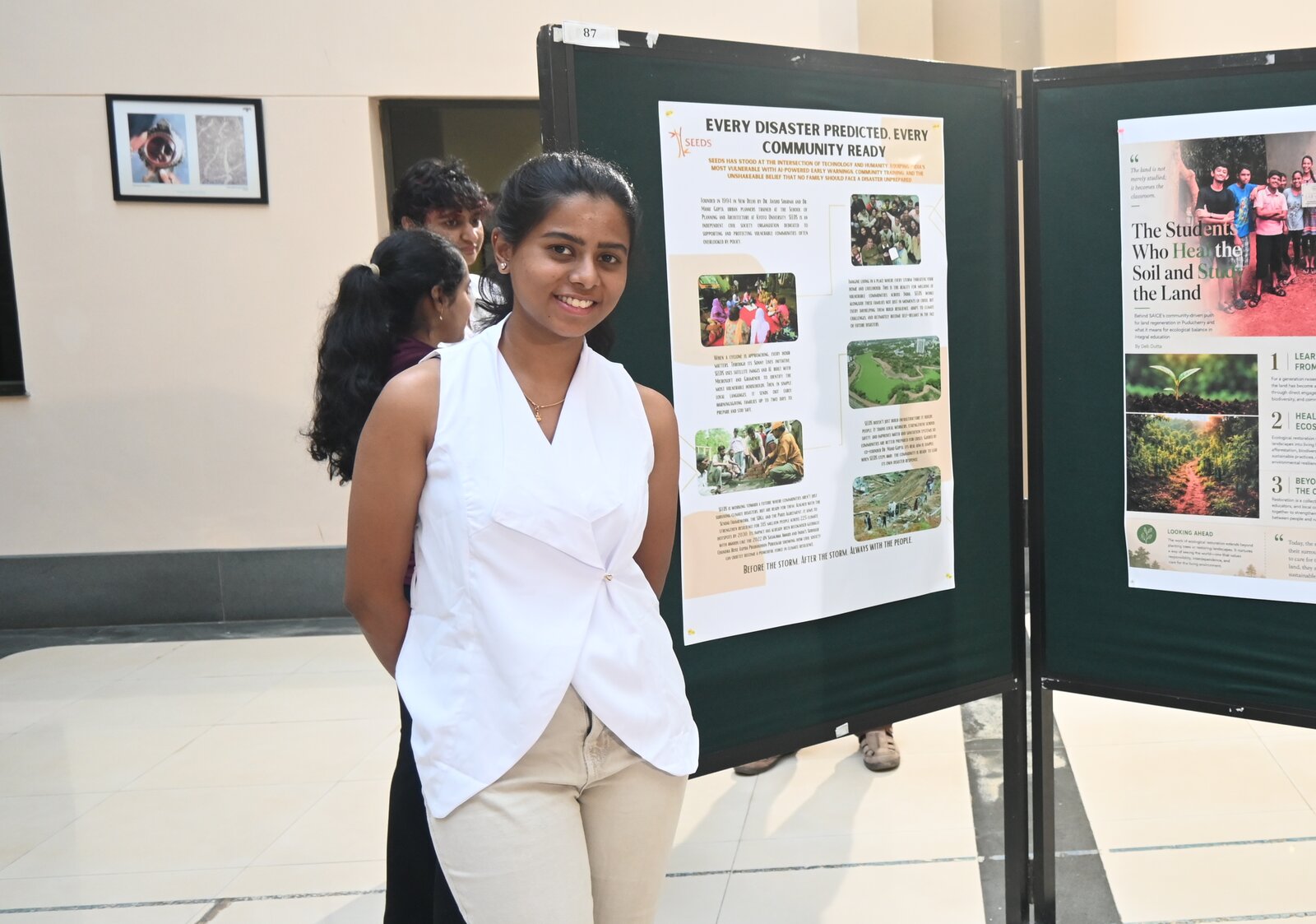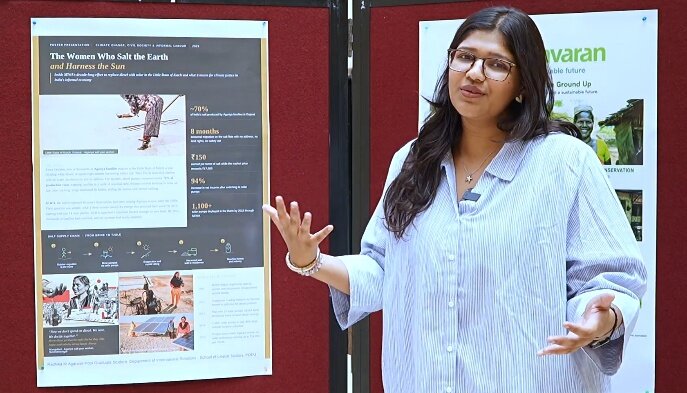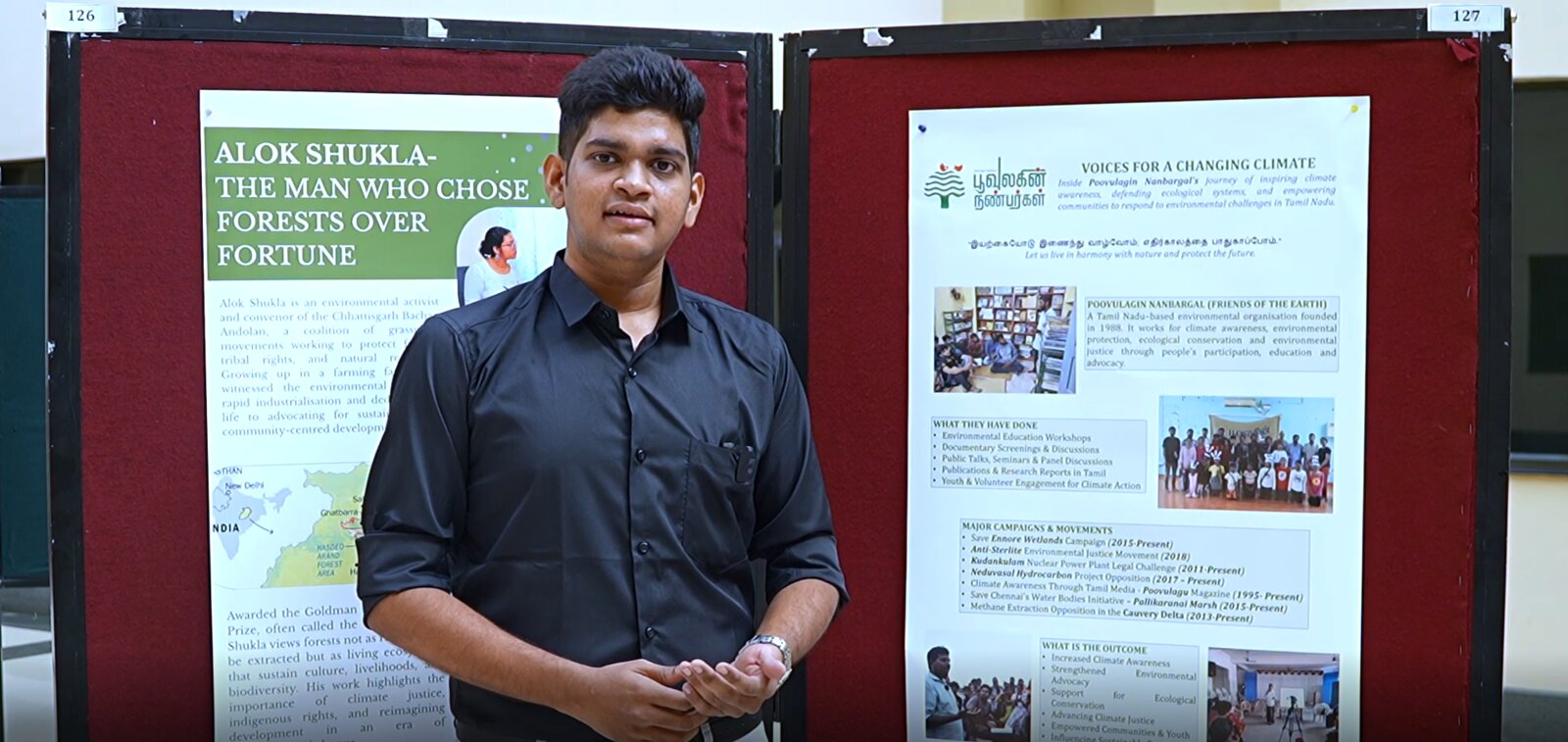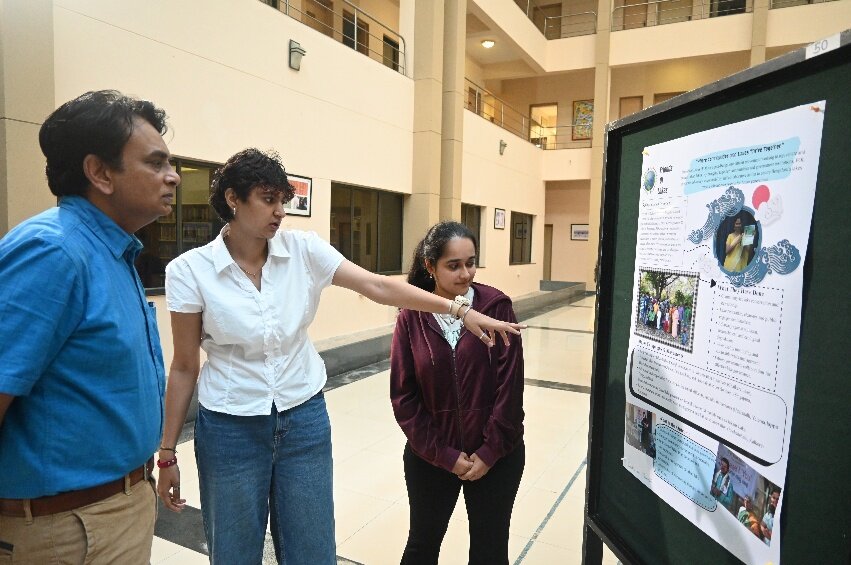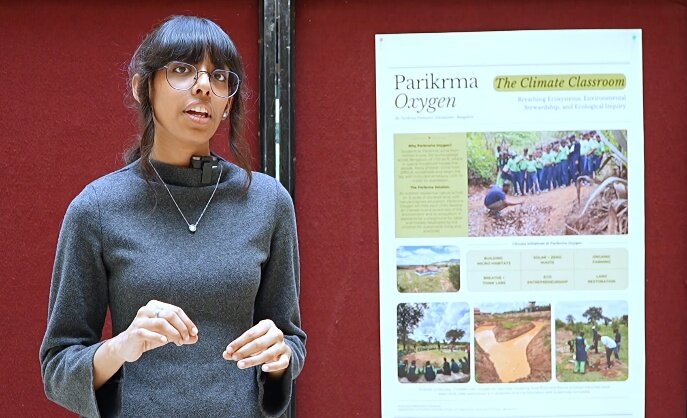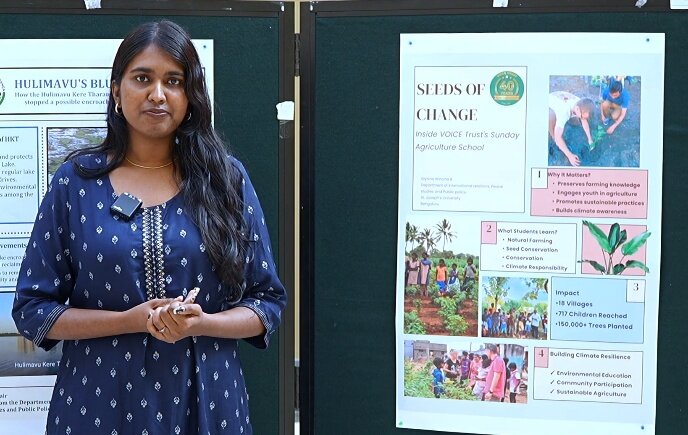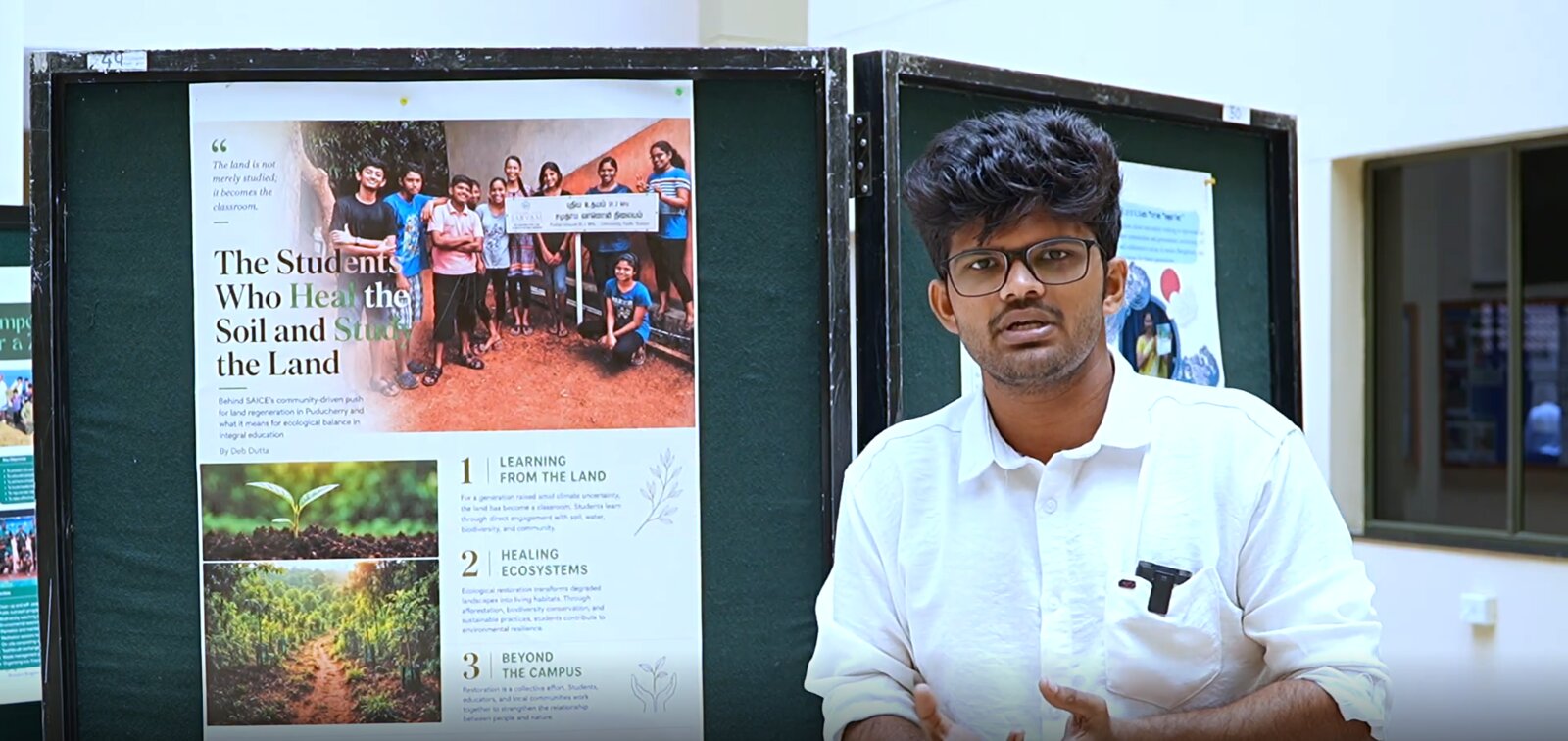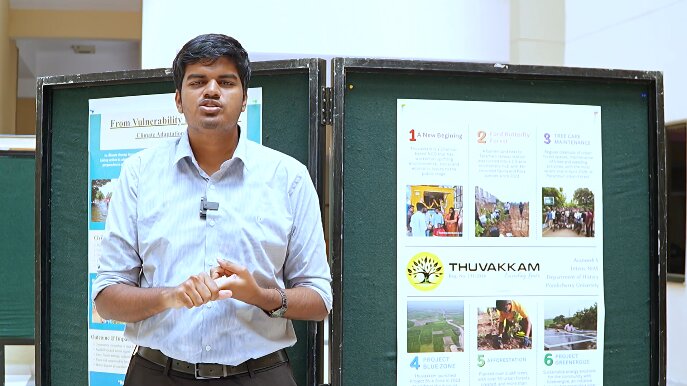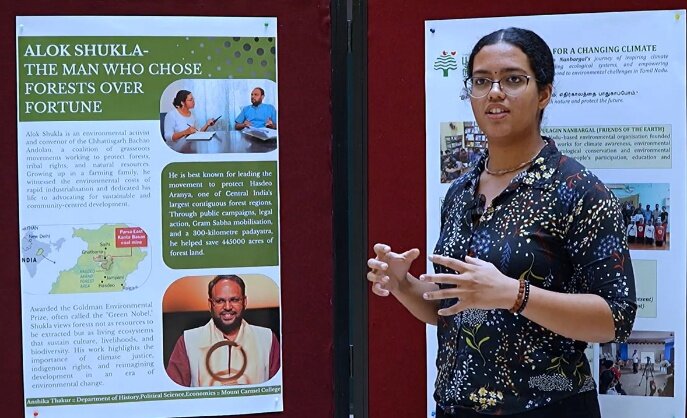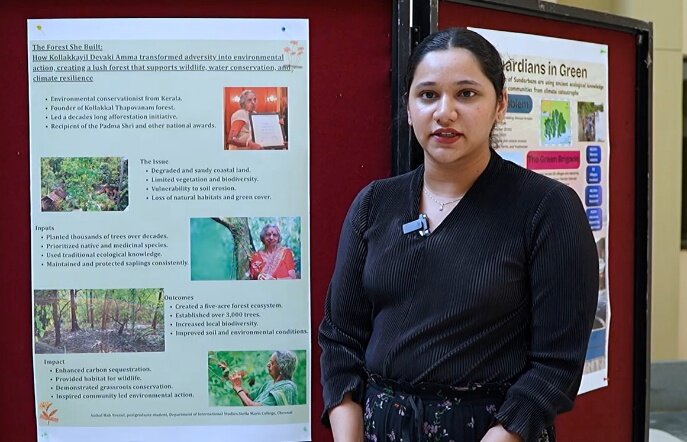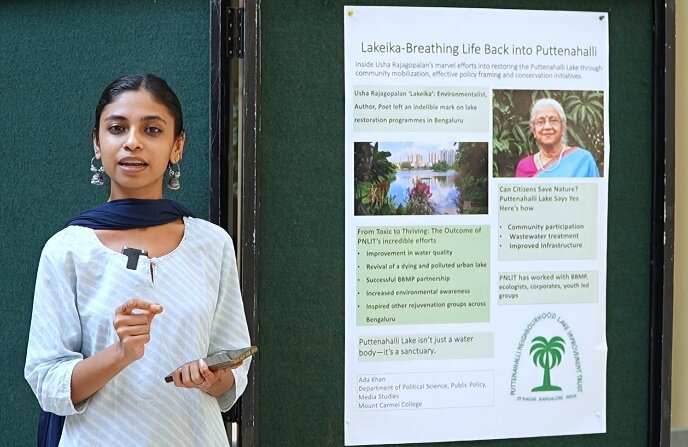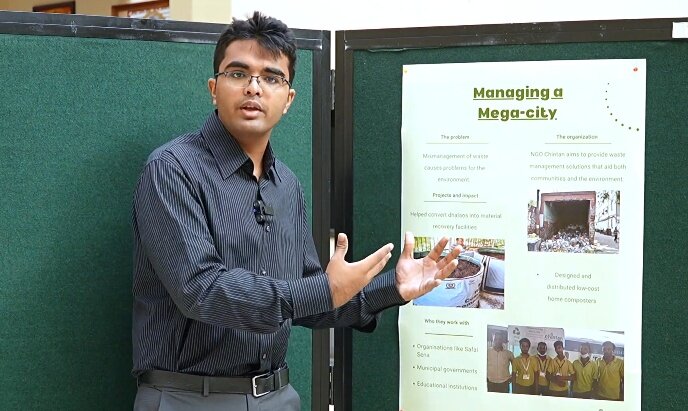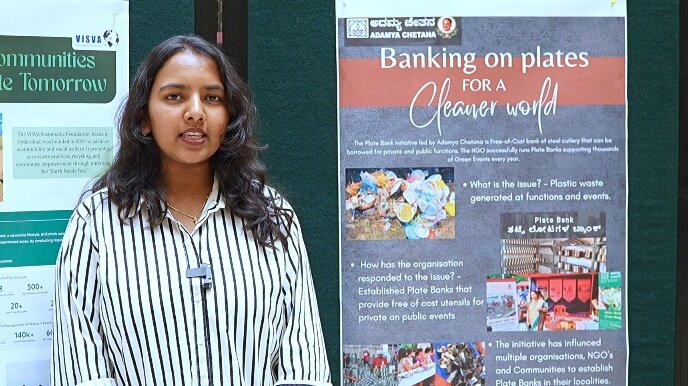
As part of the NIAS Climate Change, Civil Society and Peace (C3SP) initiative in collaboration with GPPAC South Asia, the inaugural workshop of 'The Grass Roots,' the NIAS Youth Network on Climate Change, Civil Society and Peace, was held on 03 June 2026 at the National Institute of Advanced Studies (NIAS), Bengaluru. During the workshop, young scholars from institutions across India examined the role of civil society organisations (CSOs) in responding to climate change through a poster presentation exercise. As part of this initiative, Acsah H, a postgraduate student at the Manipal Institute of Social Sciences, Humanities and Arts, MAHE, documented the work of Adamya Chethana, a Bengaluru-based non-profit organisation.
This note examines how Adamya Chethana has addressed environmental sustainability through its Plate Bank initiative, a community-based model that promotes the use of reusable steel cutlery to reduce plastic waste generated during public and private events. It also highlights how simple, locally driven initiatives can contribute to waste reduction, resource efficiency, and broader climate action by encouraging sustainable consumption and everyday behavioural change.
When there is an event being organised with food arranged, it is common to assume that the food items will be served in disposable plates and cups. But how often do we think about the harm it causes to our environment with the amount of waste that gets generated through it?
Adamya Chethana is known for its Mid-day meals initiative through its massive, zero-garbage "Green Kitchens" that cook without LPG or any form of fossil fuels. Serving healthy and nutritious food for over two lakh children from underprivileged schools across Bengaluru and other cities. "From kitchen to Dining," this is how their idea to start the Plate Bank emerged. Having made significant progress in their Green Kitchen initiative, the next step forward aimed at reducing the waste generated from the use of disposables during events. The concept originally took shape during the wedding of the founder's daughter, Aishwarya, where, instead of renting or buying disposables, they purchased over 10,000 sets of steel utensils. Following the wedding, India's first free-to-borrow steel cutlery bank was established, allowing utensils to be loaned for public and private events. The initiative was created to ensure that the cutlery purchased for the wedding would continue to serve a meaningful purpose.
The Plate Bank initiative started in early 2016 and is currently getting over three to four enquiries on a daily basis, reflecting its popularity among the population. While this initiative helps with environmental sustainability, it also provides people with a cost-efficient way to conduct huge events with less waste production. The initiative spreads across the nation with around 29 plate banks placed in different locations; some of these plate banks are collaborations that have expressed their interest in establishing a plate bank in their locality.
Adamya Chethana has actively been helping other organisations, NGO's and communities by sharing its expertise, models and infrastructure that are required for setting up a Plate Bank. The initiative, however, works on a few rules, including a 10 per cent security deposit of the cost of items that has to be paid before renting the utensils.
Overall, this initiative allows people to organise events that are plastic waste-free and gives satisfaction on a personal level by being able to generate less waste, which, in a way, helps reduce harm to wildlife and the environment. They also organise "Green Sunday" every week, which focuses on planting and nourishing trees across Bengaluru and other cities, an initiative addressing the man-to-tree ratio of Bengaluru that ideally ought to be eight trees per person; however, it is at present one tree per seven persons.
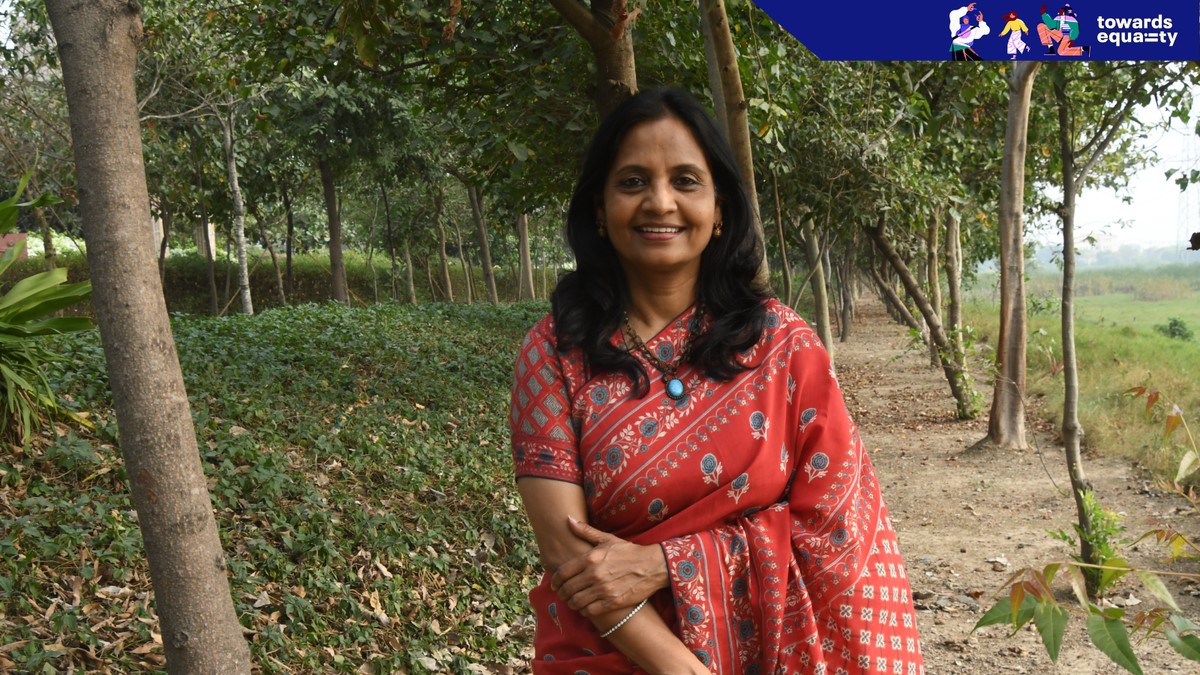
The co-founder, Tejaswini Ananthkumar, also claims that the initiatives that she started through the organisation have also personally influenced her to have a zero-garbage home. With the mantra "Reduce and reuse, Think big but act local," she urges every single person to make small changes that contribute to addressing the larger problem of climate change and environmental sustainability.