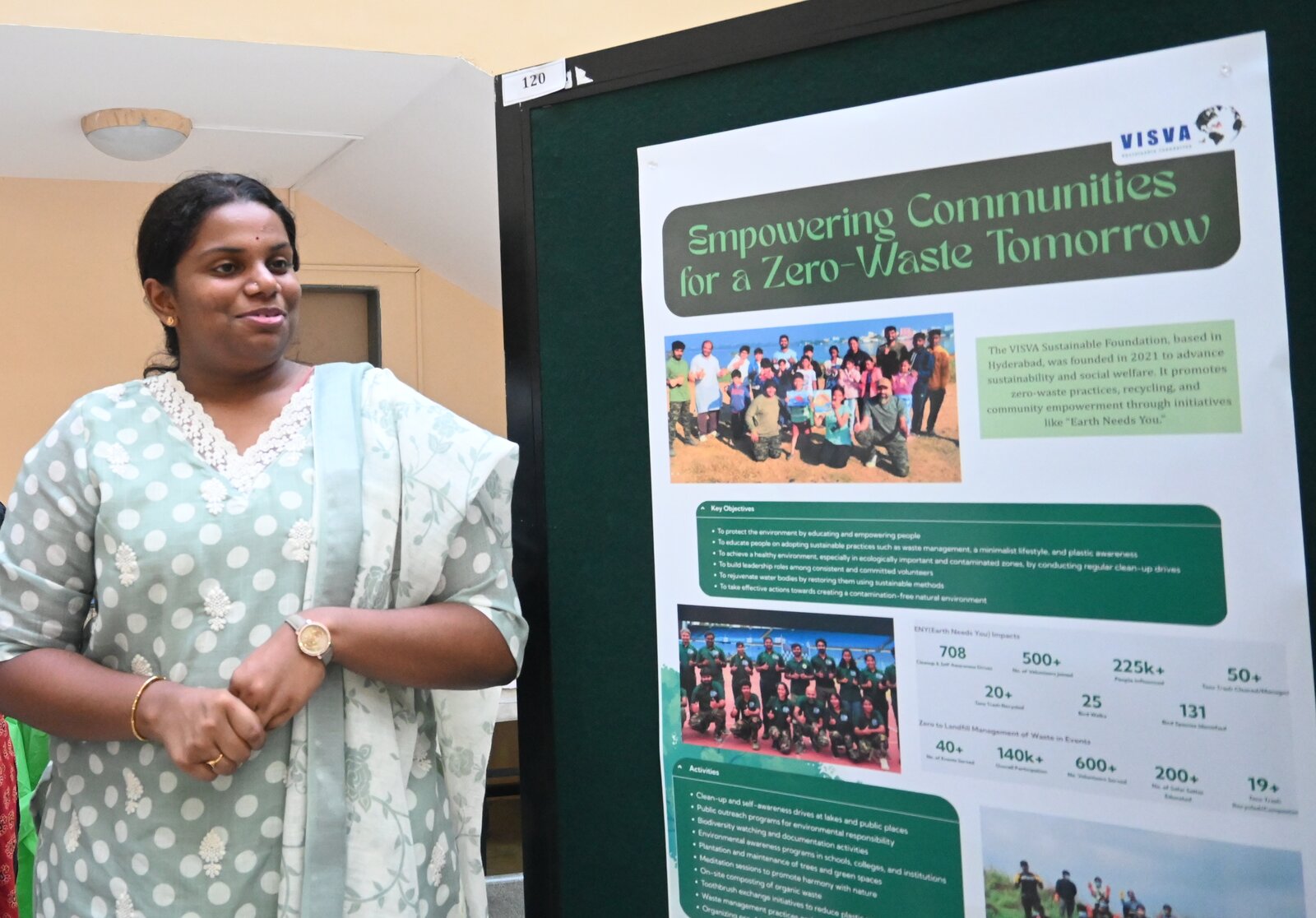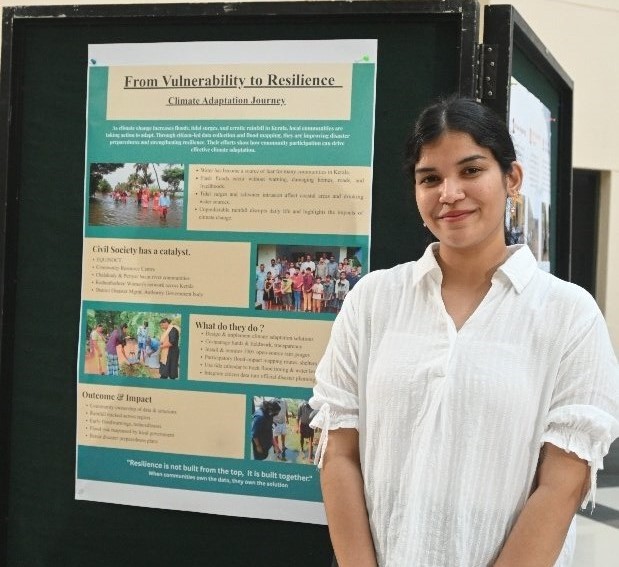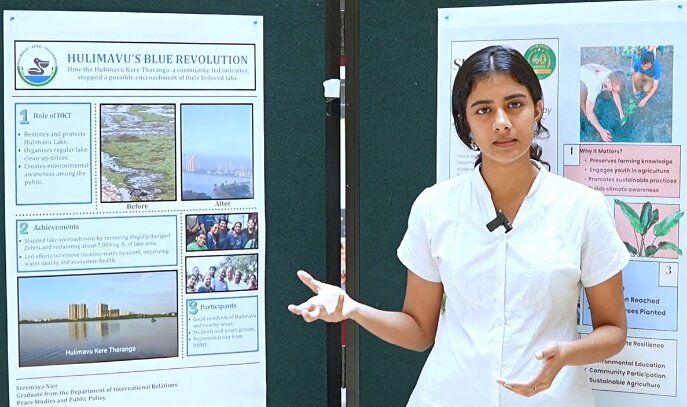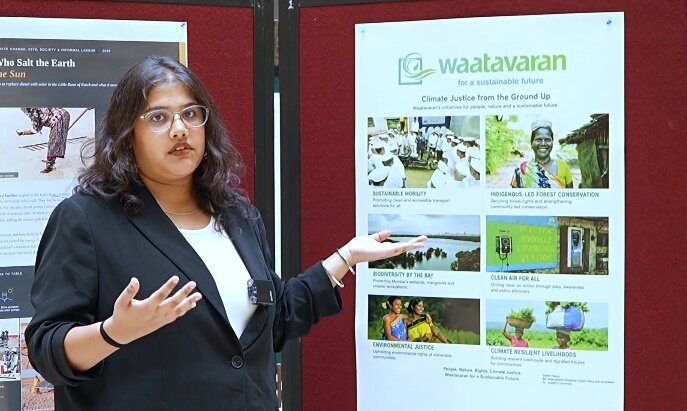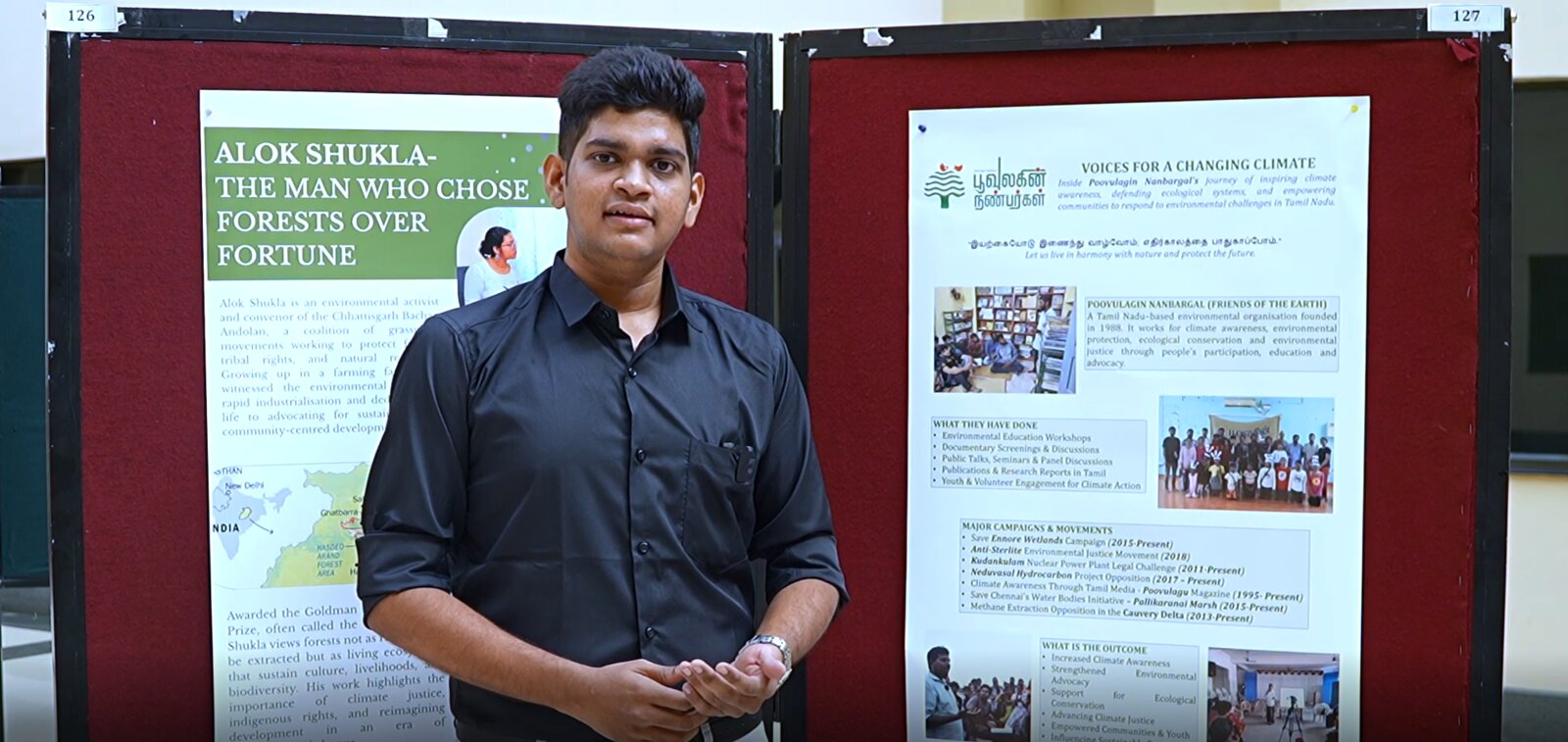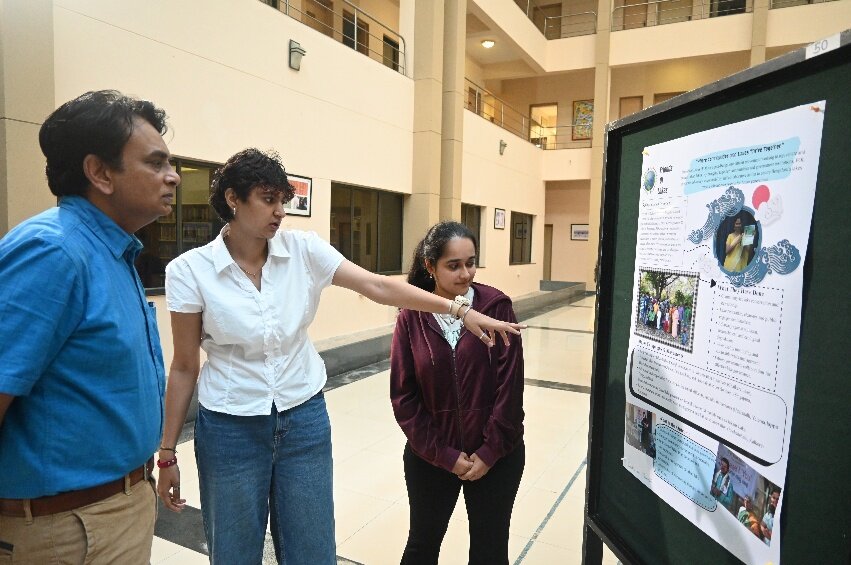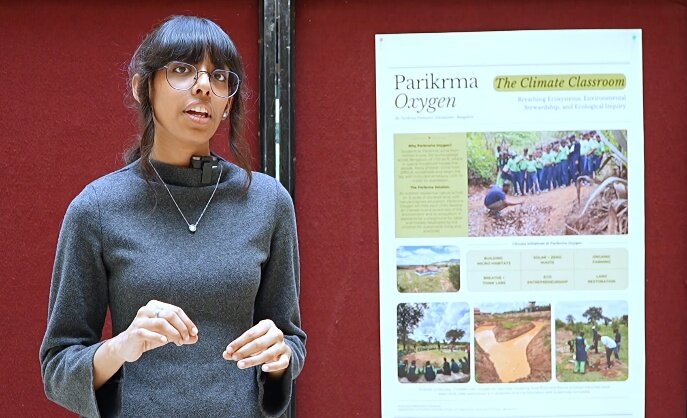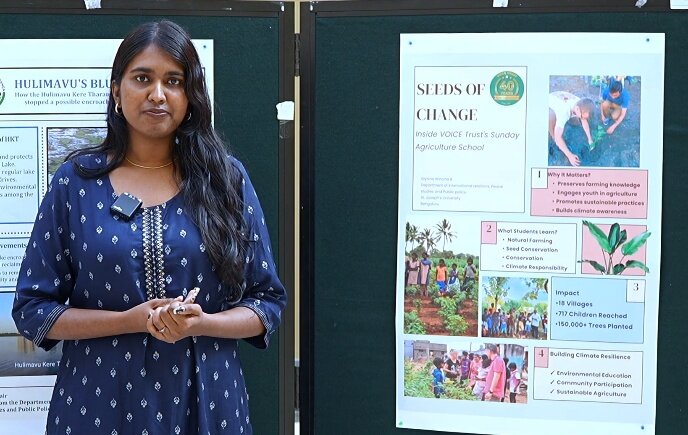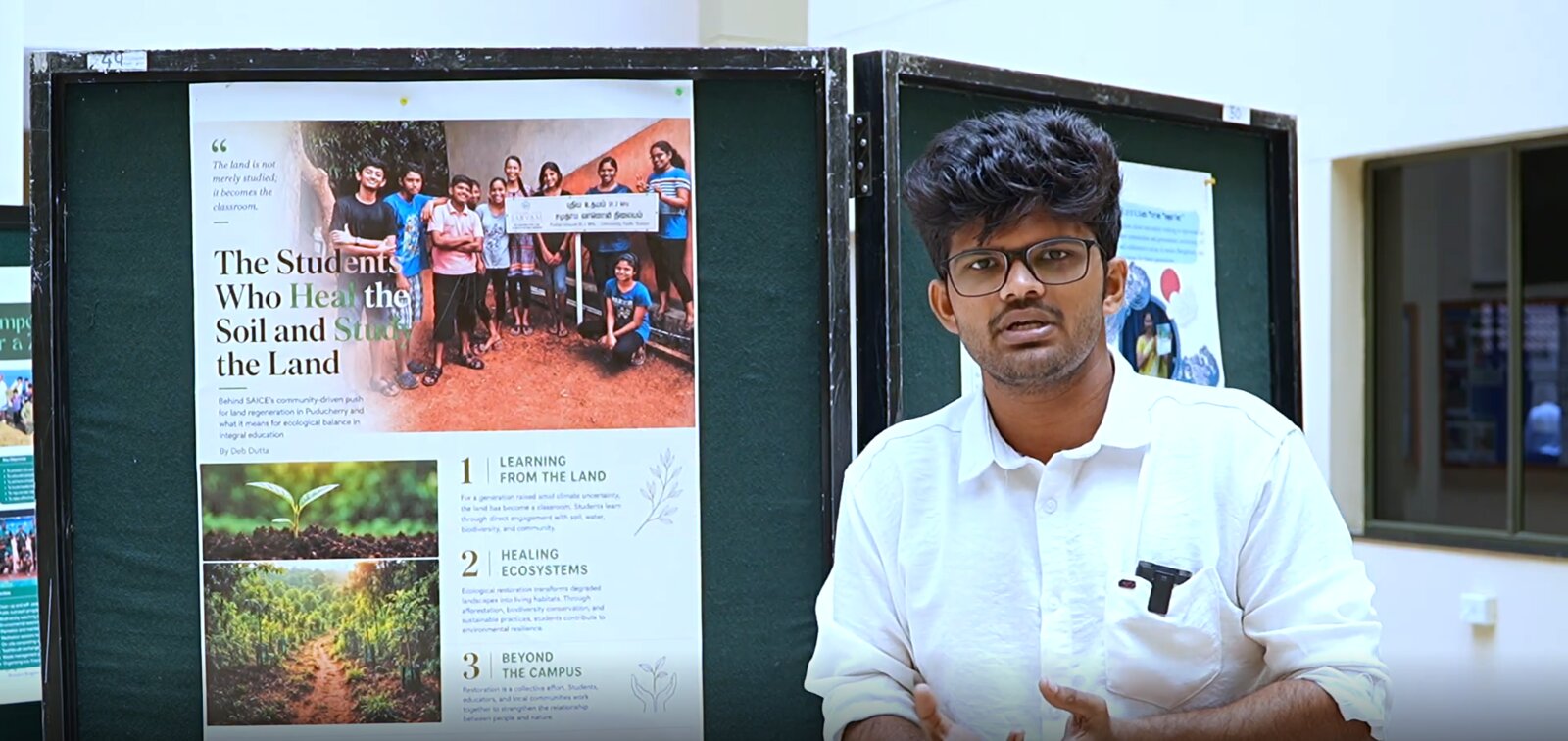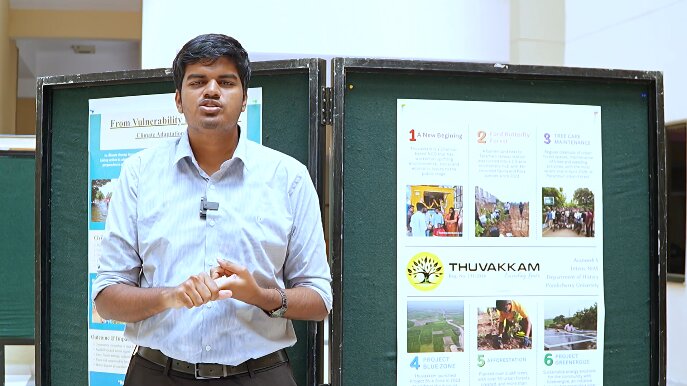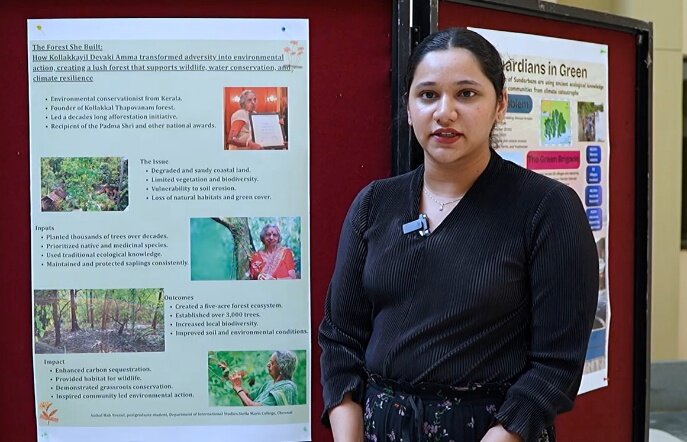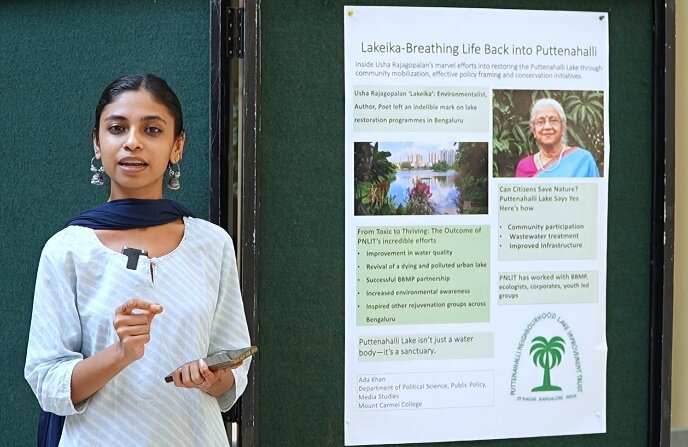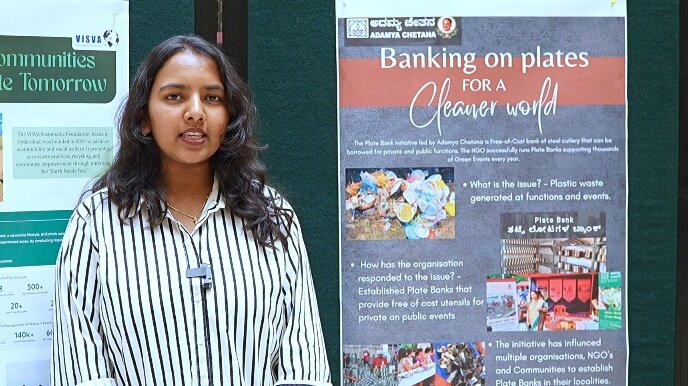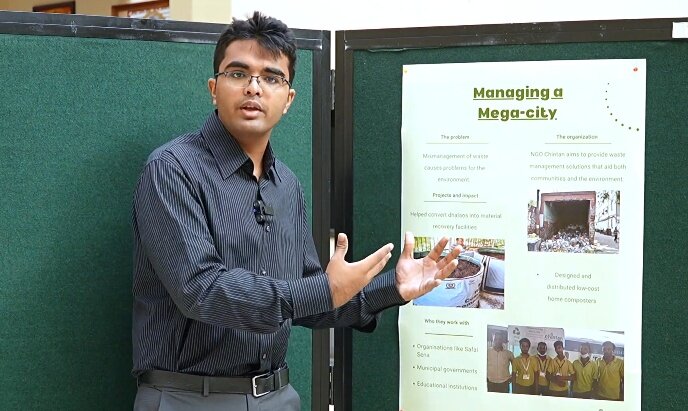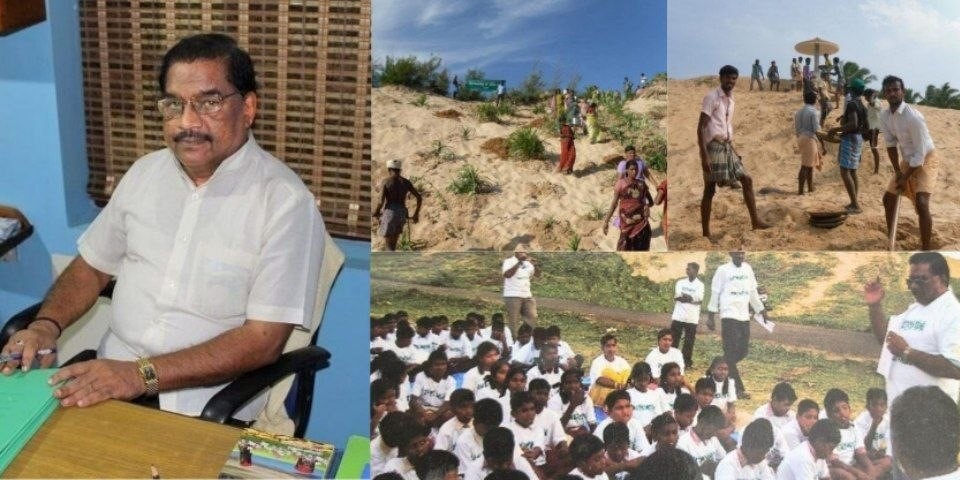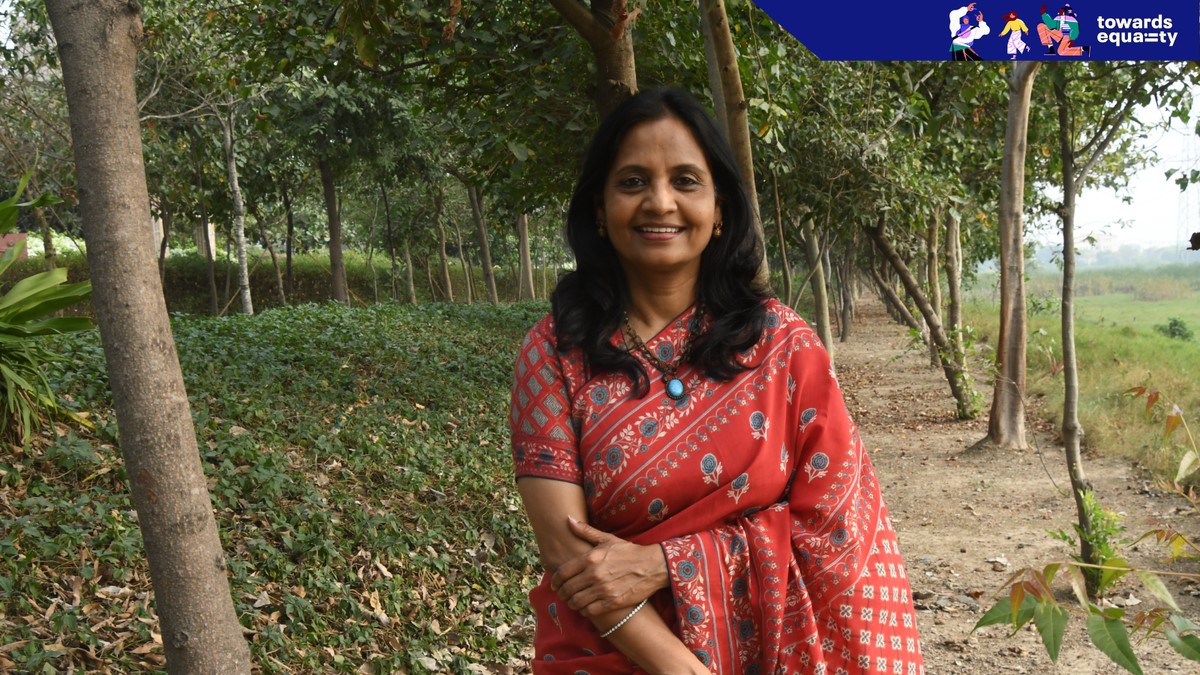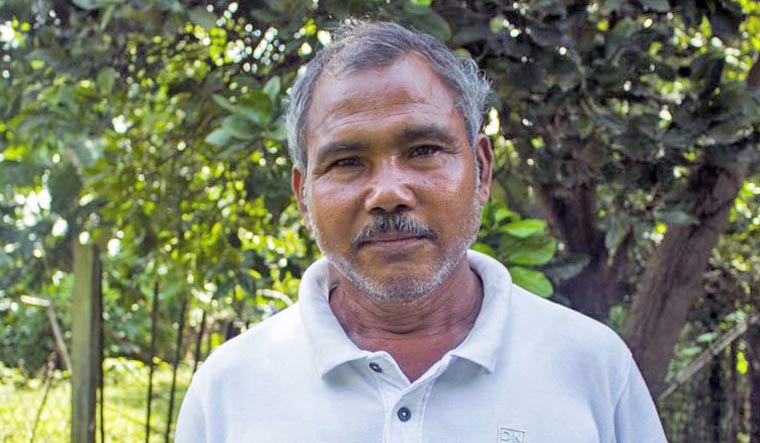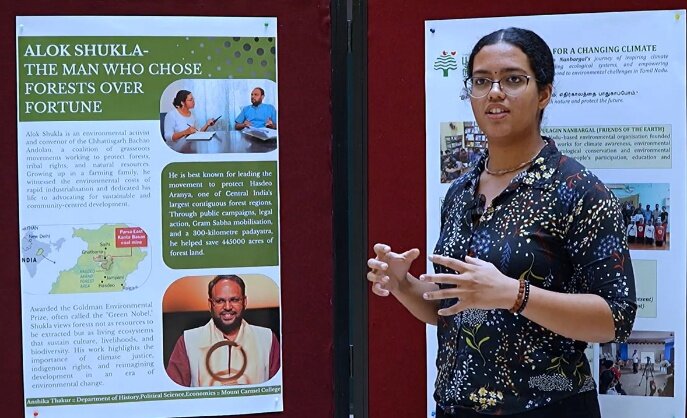
As part of the NIAS Climate Change, Civil Society and Peace (C3SP) initiative in collaboration with GPPAC South Asia, the inaugural workshop of 'The Grass Roots,' the NIAS Youth Network on Climate Change, Civil Society and Peace, was held on 03 June 2026 at the National Institute of Advanced Studies (NIAS), Bengaluru. During the workshop, young scholars from institutions across India examined the role of civil society organisations (CSOs) and grassroots environmental leaders in responding to climate change through a poster presentation exercise. As part of this initiative, Anshika Thakur, an undergraduate student in the Department of History, Economics, and Political Science at Mount Carmel College, Bengaluru, documented the environmental advocacy and community mobilisation led by Alok Shukla in the Hasdeo Aranya region of Chhattisgarh.
This note examines how Alok Shukla and the Chhattisgarh Bachao Andolan have worked alongside indigenous communities to protect the ecologically significant Hasdeo Aranya forests from large-scale coal mining. It highlights how grassroots mobilisation, democratic participation, and legal advocacy have contributed to advancing environmental justice, safeguarding forest ecosystems, and strengthening community-led conservation in one of India's most contested forest landscapes.
As the Convenor of the Chhattisgarh Bachao Andolan (Save Chhattisgarh Movement), Alok Shukla, has spent more than 25 years working on issues related to forests, land rights, mining, and environmental justice. His work is most closely associated with the Hasdeo Aranya movement, one of India's largest and longest-running community-led environmental campaigns.
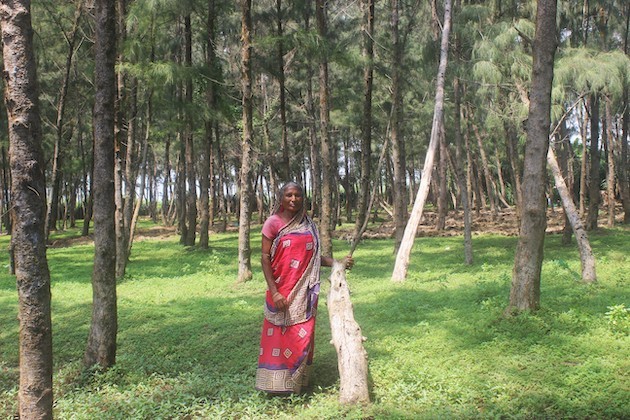
Hasdeo Aranya, spread across approximately 170,000 hectares of dense forest in northern Chhattisgarh, is often referred to as the "lungs of Chhattisgarh." The region contains rich biodiversity, serves as an important elephant corridor, and supports the livelihoods of thousands of Adivasi families, particularly the Gond, Oraon, and other indigenous communities. At the same time, the area sits atop an estimated 5 billion tonnes of coal reserves, making it a major target for mining expansion. Since the early 2010s, proposals for 24 coal blocks threatened large-scale deforestation, displacement, and ecological degradation across the region.
Shukla emerged as one of the key organisers of resistance to these projects, helping mobilise village communities, gram sabhas, and civil society groups across the forest belt. Under his leadership, communities organised a 300-kilometre padyatra through Hasdeo Aranya, drawing national attention to the environmental and social consequences of mining. People associated with the movement have argued that sustained public mobilisation, legal interventions, and community resistance contributed to the cancellation, suspension, or delay of approximately 18 of the 24 proposed coal blocks in the region.
A central feature of Shukla's advocacy has been the emphasis on democratic participation and community consent. He has consistently argued that development decisions must respect constitutional protections for Scheduled Tribes and uphold the rights of local communities under laws such as the Forest Rights Act (2006) and the Panchayats (Extension to Scheduled Areas) Act (PESA). Through public campaigns, consultations, and grassroots mobilisation, he has sought to ensure that affected communities remain at the centre of decisions regarding land and natural resources.
In recognition of his efforts, Alok Shukla was awarded the 2025 Goldman Environmental Prize, often described as the world's most prestigious award for grassroots environmental activism. The award recognised not only his leadership but also the collective struggle of forest-dependent communities who have sought to protect one of central India's most ecologically significant landscapes. His work has become a symbol of environmental justice, demonstrating how local communities can influence national debates on development, climate change, and resource governance.