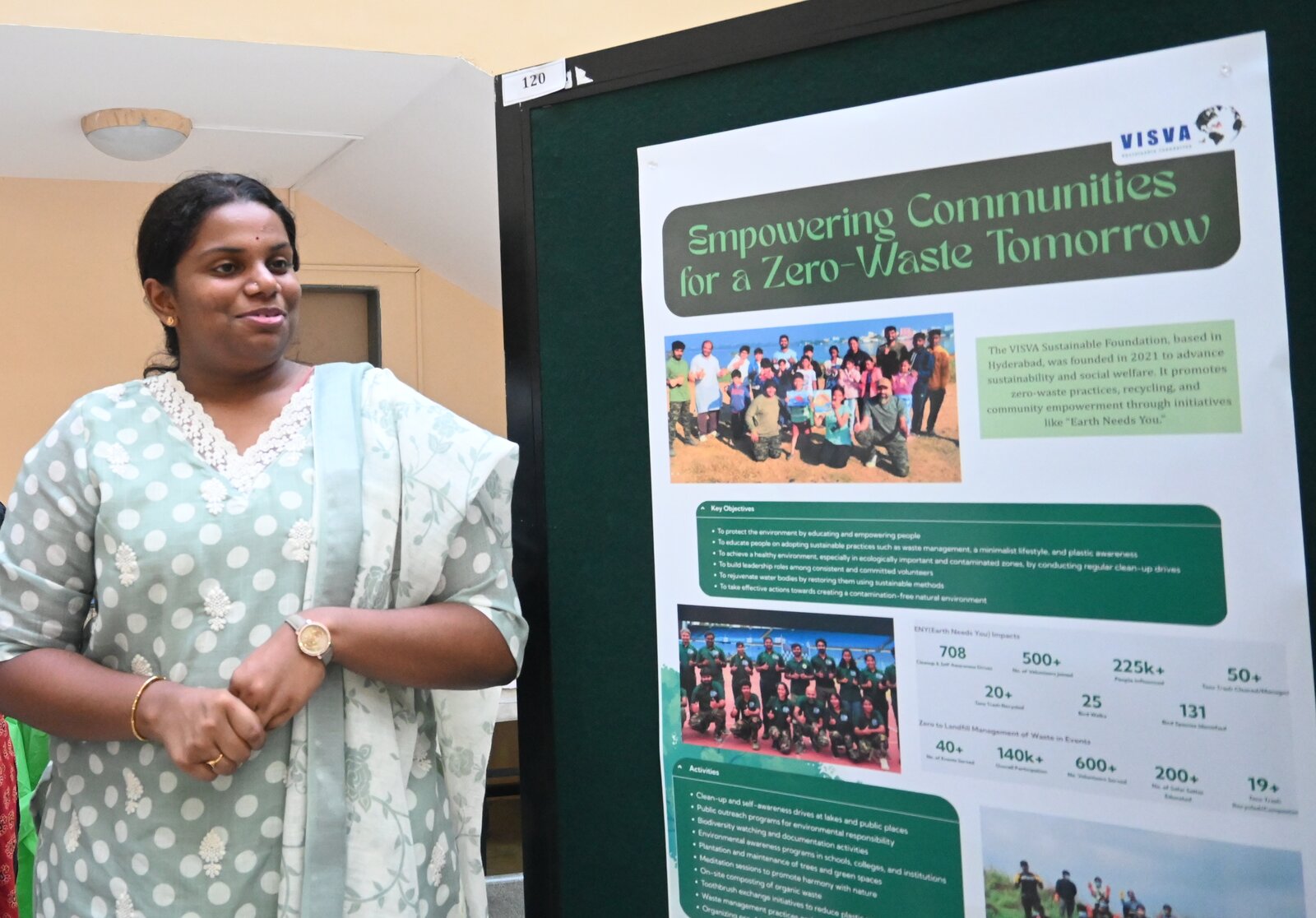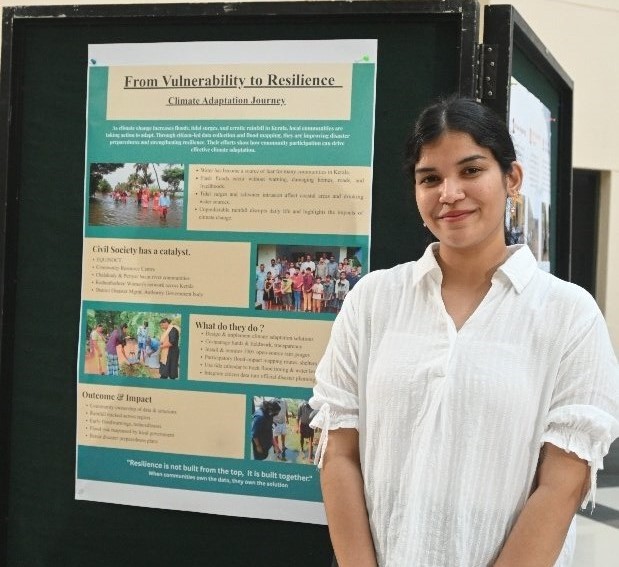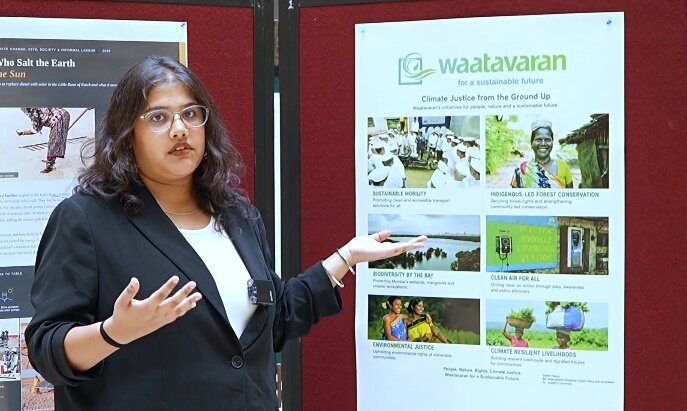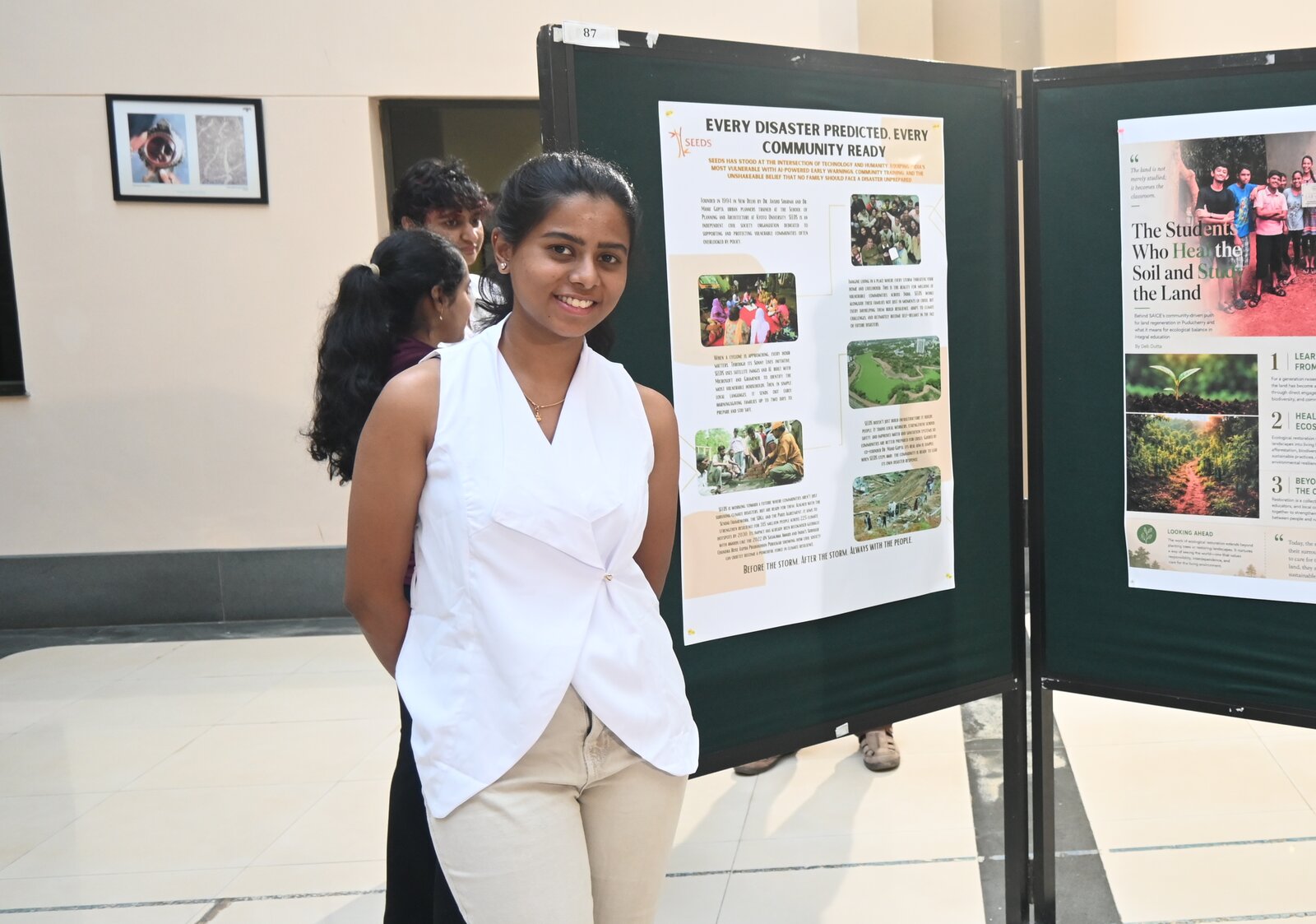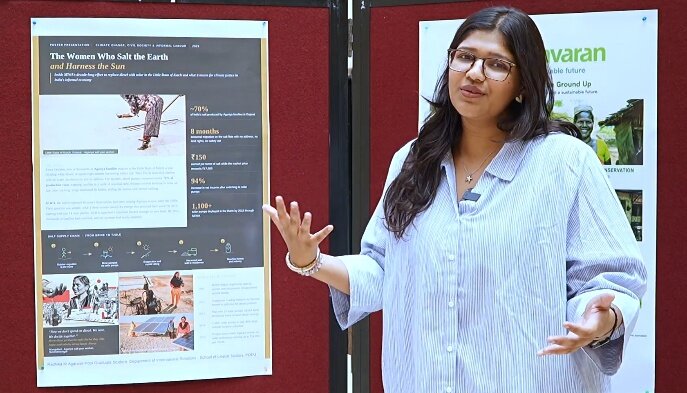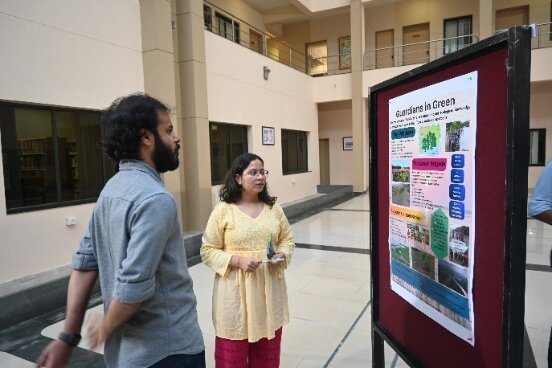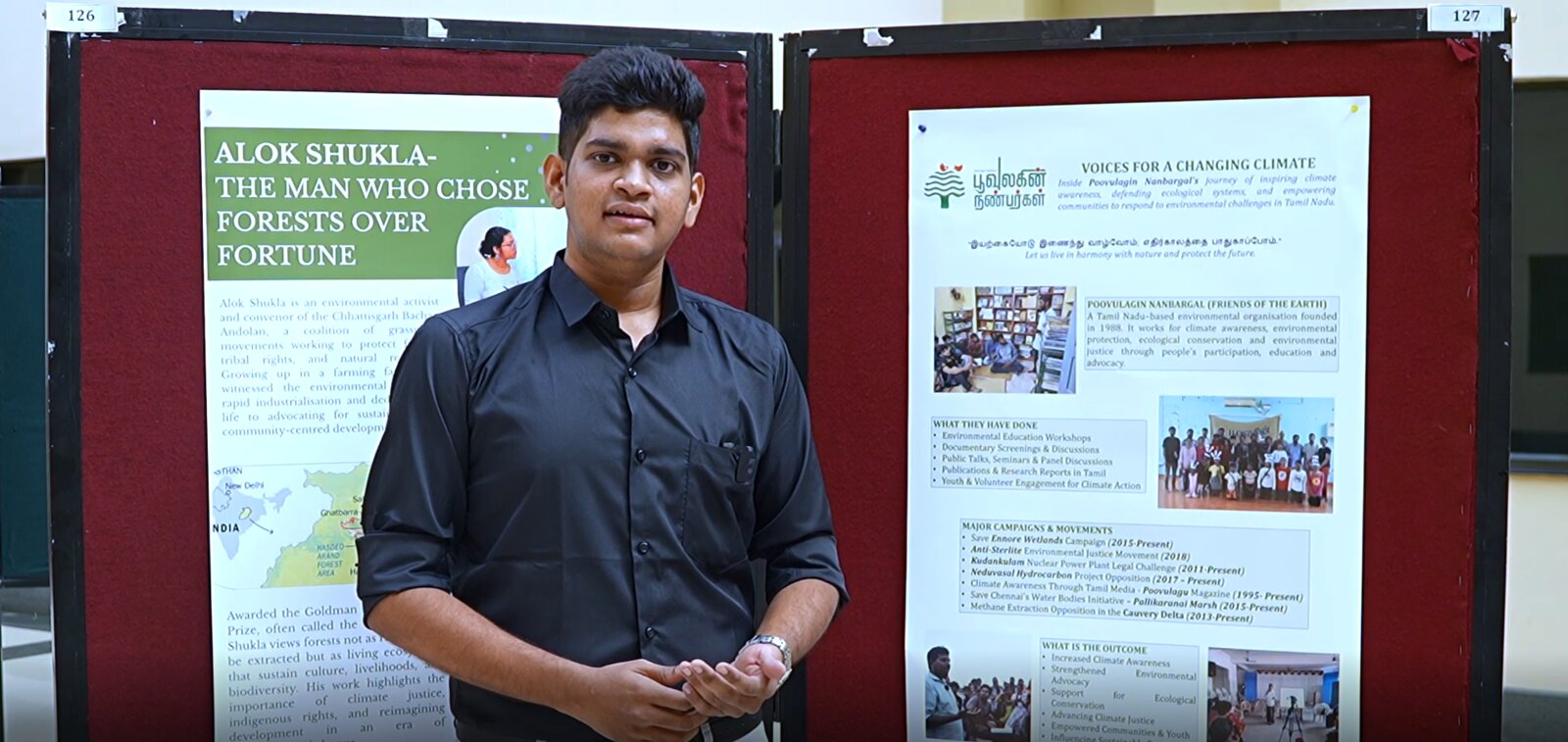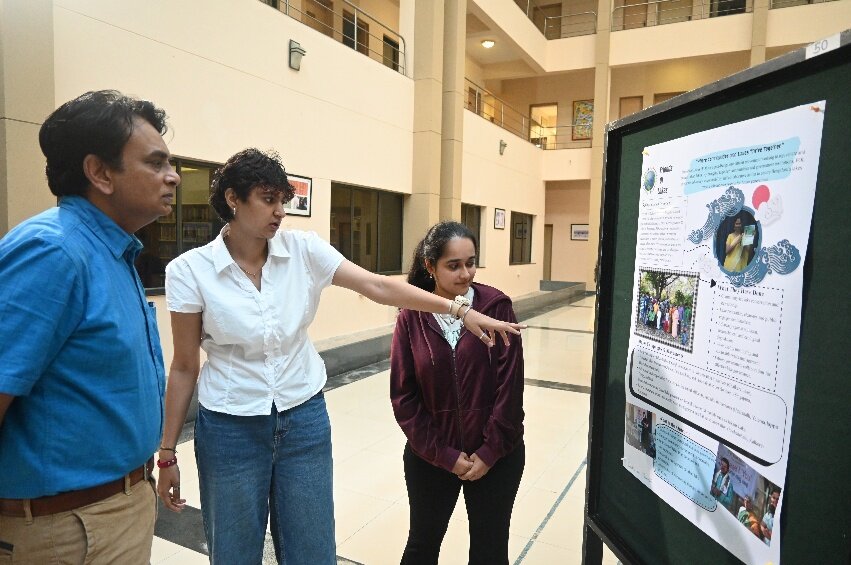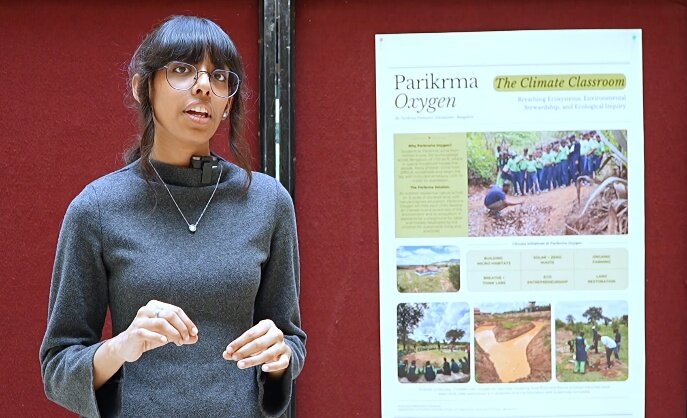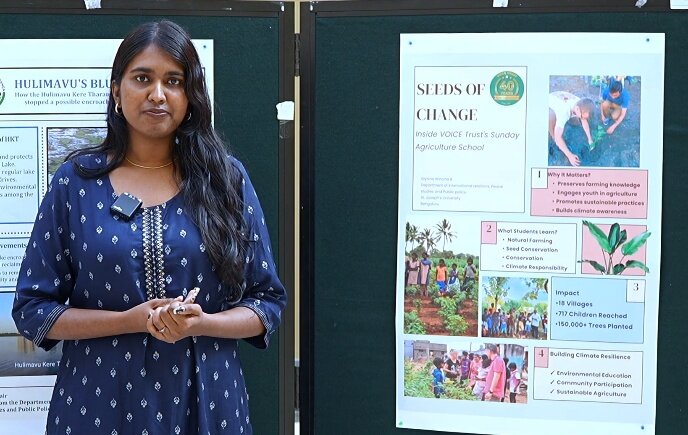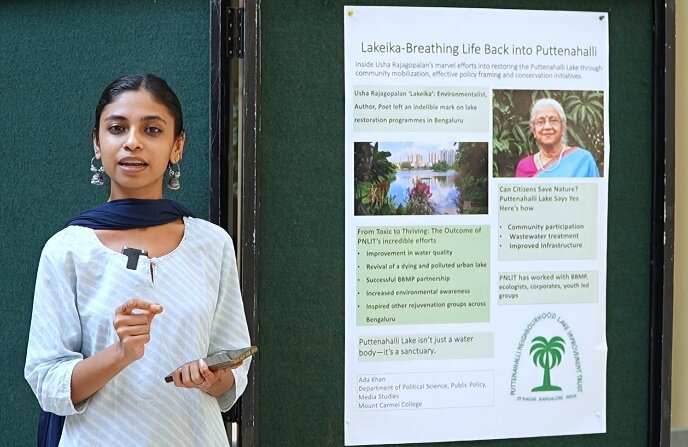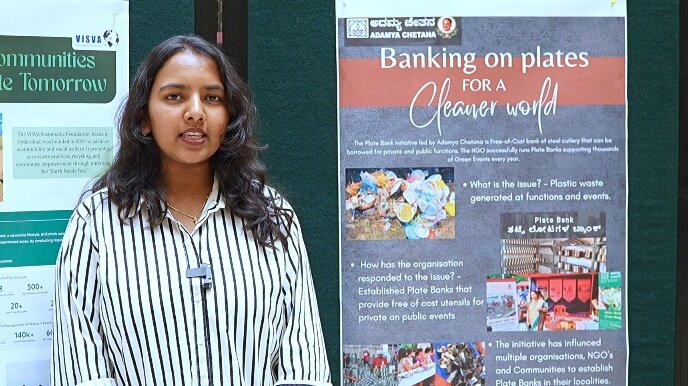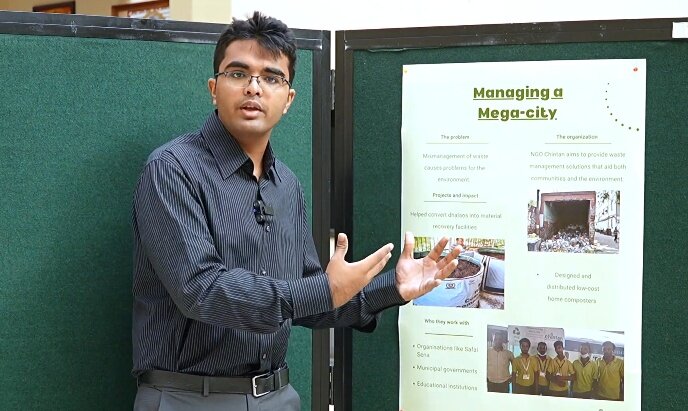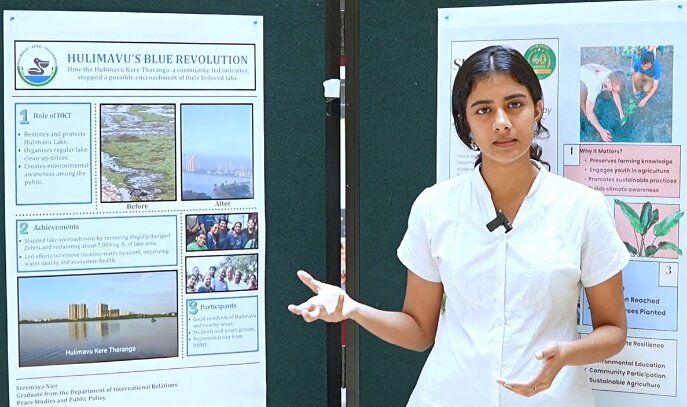
As part of the NIAS Climate Change, Civil Society and Peace (C3SP) initiative in collaboration with GPPAC South Asia, the inaugural workshop of 'The Grass Roots,' the NIAS Youth Network on Climate Change, Civil Society and Peace, was held on 03 June 2026 at the National Institute of Advanced Studies (NIAS), Bengaluru. During the workshop, young scholars from institutions across India examined the role of civil society organisations (CSOs) in responding to climate change through a poster presentation exercise. As part of this initiative, Sreemaya Nair, a graduate in the Department of International Relations, Peace Studies and Public Policy at St. Joseph's University, Bengaluru, documented the work of Hulimavu Kere Tharanga, a community-led lake conservation initiative in Bengaluru.
This note examines how Hulimavu Kere Tharanga has mobilised local residents to protect and restore Hulimavu Lake through conservation efforts, ecological restoration, and sustained community participation. It highlights how citizen-led action has helped address urban environmental challenges, safeguard lake ecosystems, and strengthen public engagement in protecting Bengaluru's shrinking water bodies.
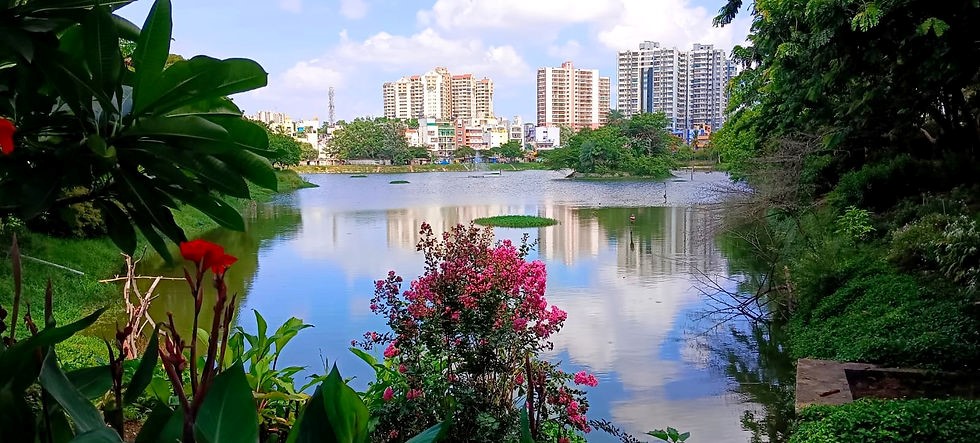
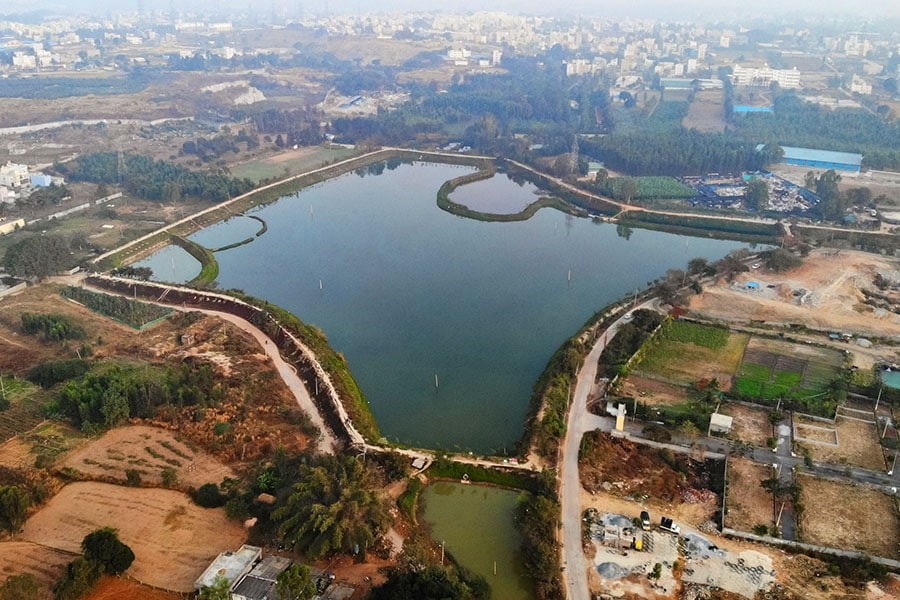
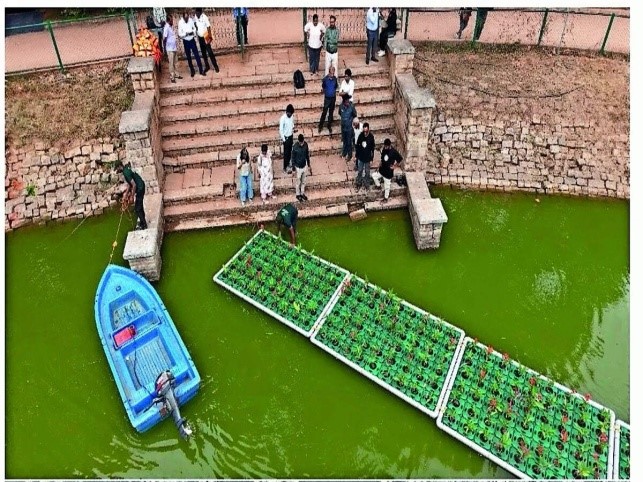
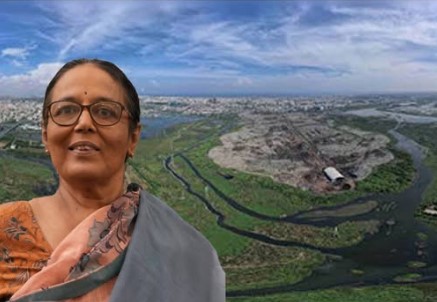
The Hulimavu Lake, once a healthy water body, has now become a victim to modern urbanisation. The lake used to span approximately 150 acres, and was reduced to about 120 acres due to encroachments back in 2019 and has further reduced in area as of 2026. The unauthorised layouts and institutional structures disintegrated the lake's boundaries, reduced its buffer zones, which are crucial for flood control, groundwater recharge and overall environmental health. Sewage pollution, over-extraction of groundwater, and structural weaknesses due to a bund breach in 2019, which led to floods in up to 800 homes, are some of the major and concerning issues from a long list that the lake has faced. The Hulimavu Kere Tharanga came into being as a non-profit, citizen volunteer group for the Hulimavu Lake back in 2017. It dedicated itself to the restoration of the locality's beloved lake. They organise regular clean-up drives to remove waste, industrial debris, and plastic. They were involved in removing an invasive plant species called the Water Hyacinth, also known as the "Cursed Weed," and turned them into handmade paper and other eco-friendly products by partnering with another organisation called the Bluecat Paper. Volunteers from Hulimavu Kere Tharanga have also planted about 600 saplings around the lake's vicinity and have also documented the 141 bird species of the area. It was in 2019 that the group manually removed construction debris and mud that was dumped into the lake and actively worked with government bodies to prevent the illegal immersion of idols during Ganesh Chaturthi or any other festival. They actively involve the youth in cleaning initiatives to spread environmental awareness.
HKT once successfully stopped an encroachment of almost half an acre of the lake by mobilising volunteers and putting a stop to it. They made sure to not only put a stop to it but also managed to get the party behind the encroachment to remove it, all without taking any legal action whatsoever. It was all possible through community engagement of unrelated people, but people who were all united in their thoughts and actions of saving Hulimavu Lake. The group have conducted music jams, yoga sessions and Sunday activities like "plogging," the act of picking litter while jogging, as a way to assemble the community every week.