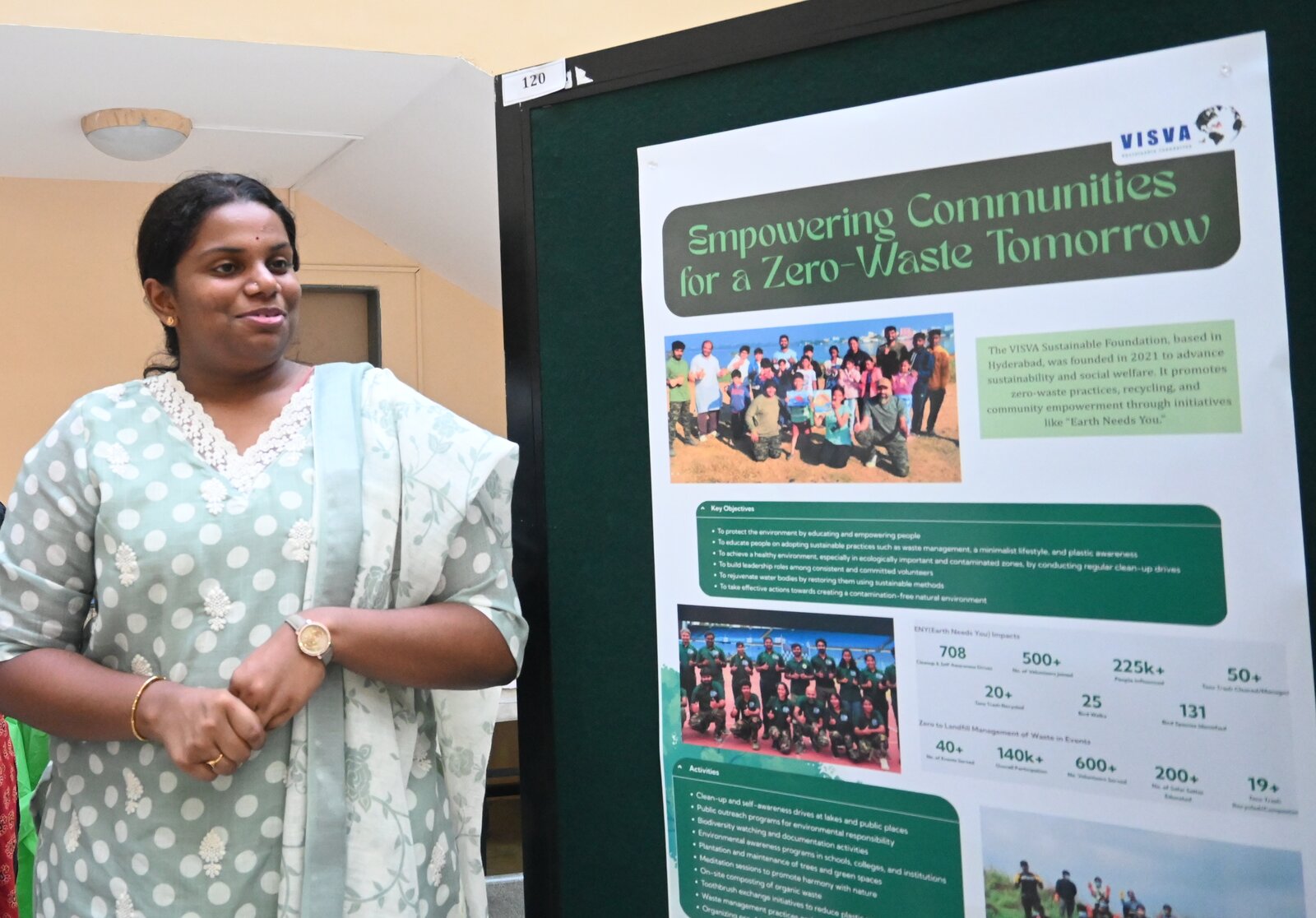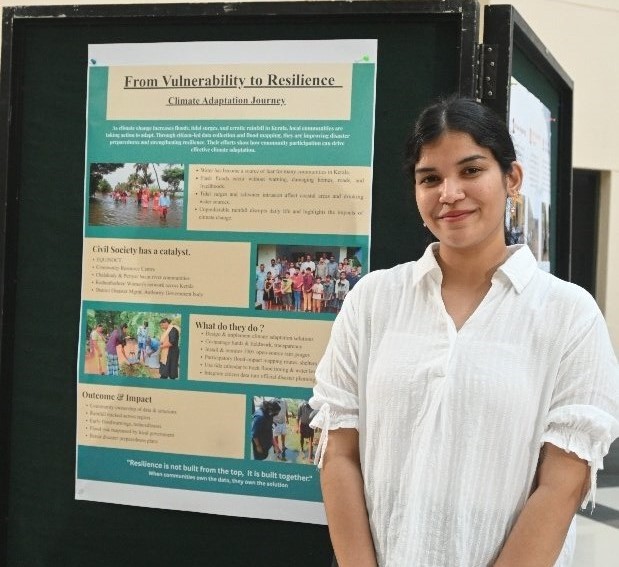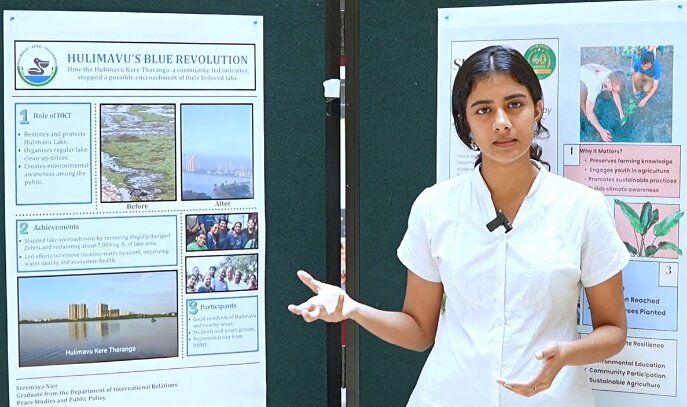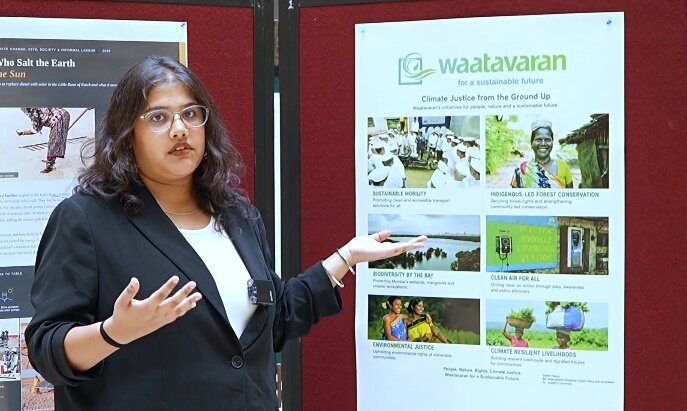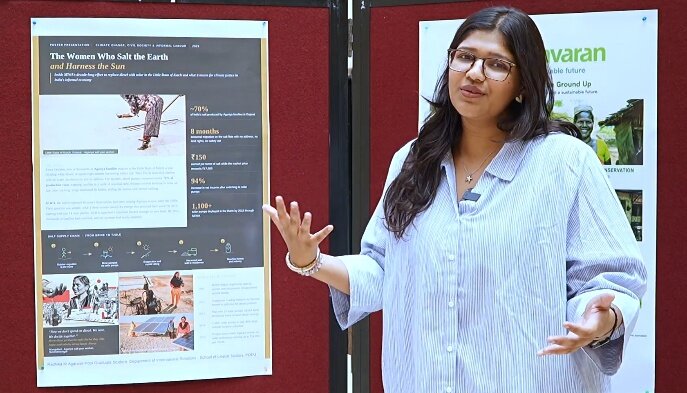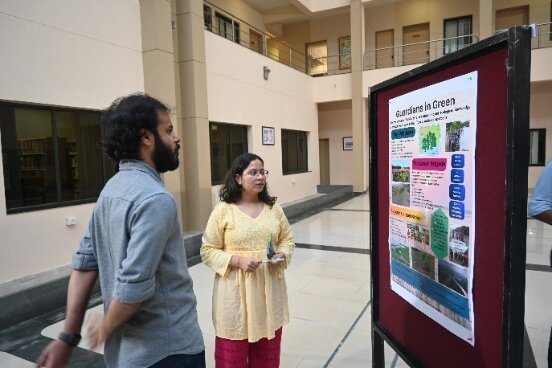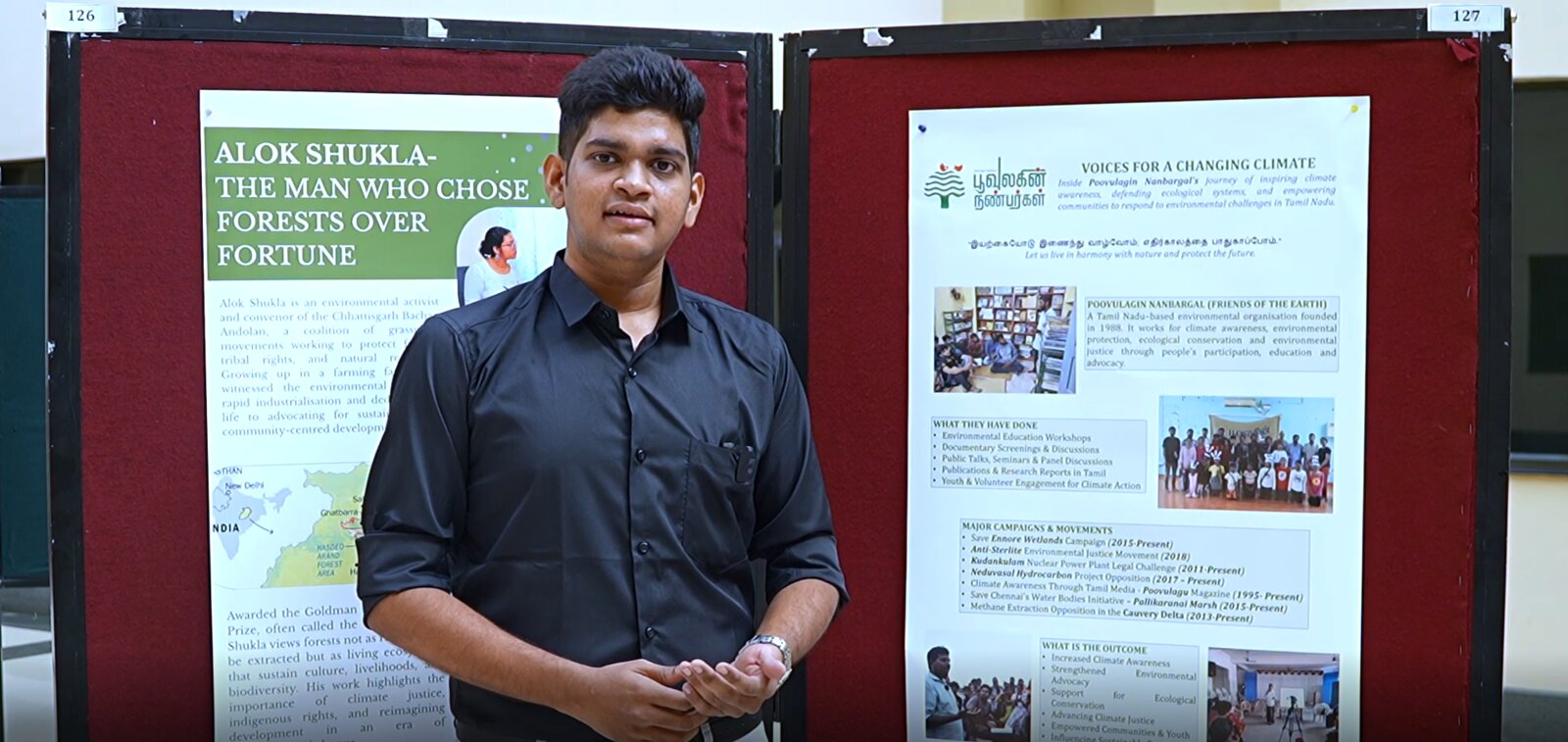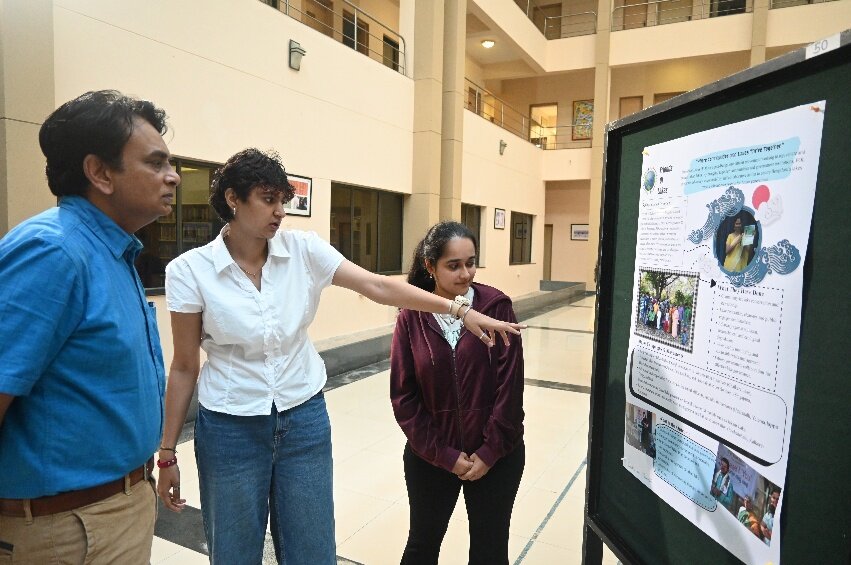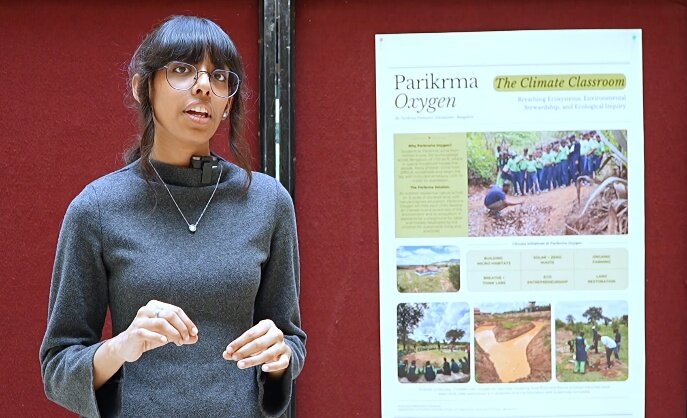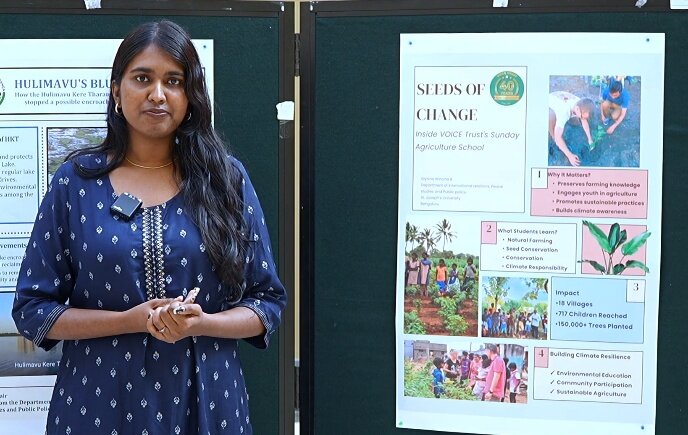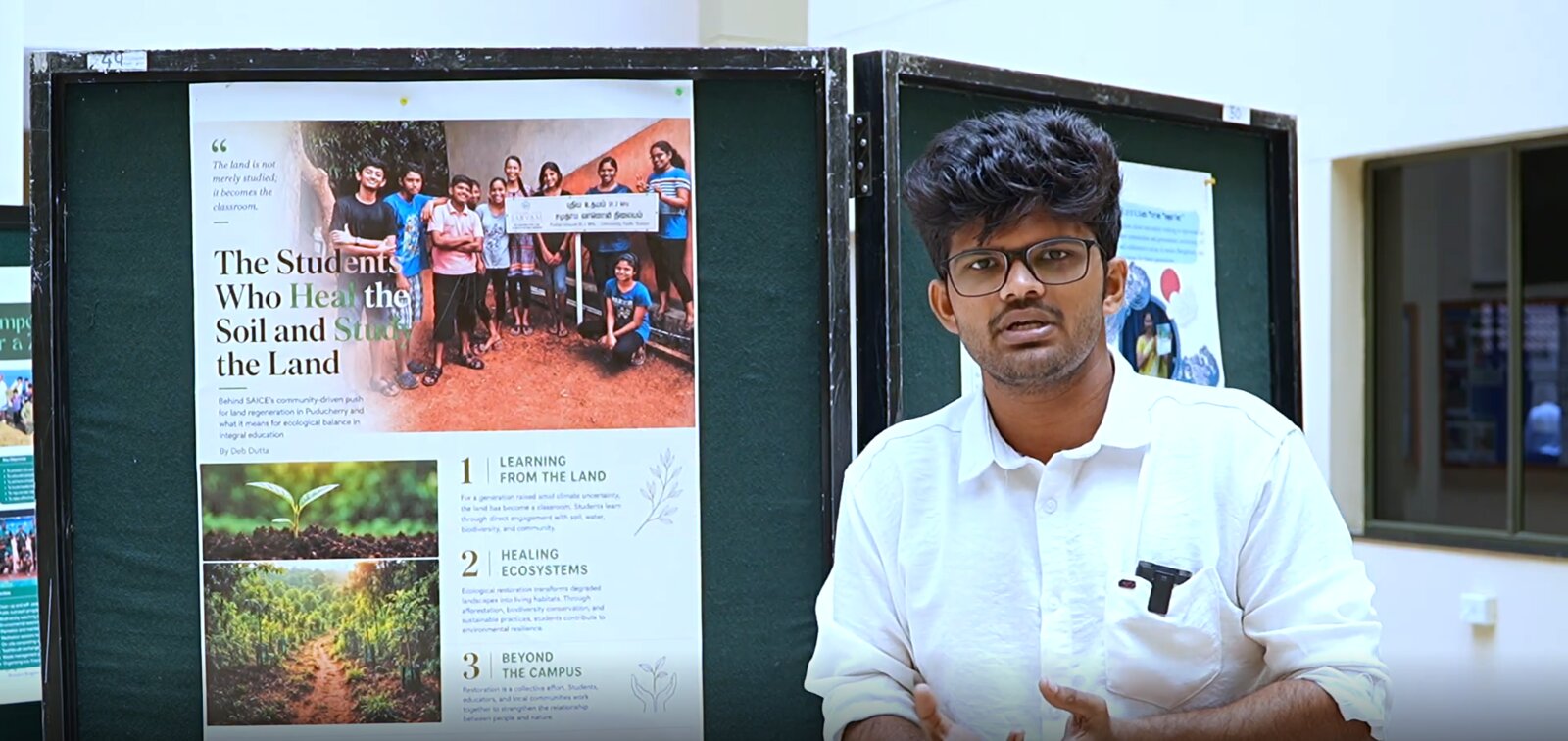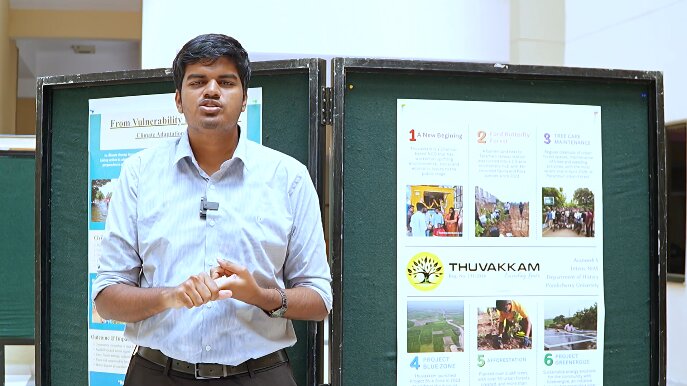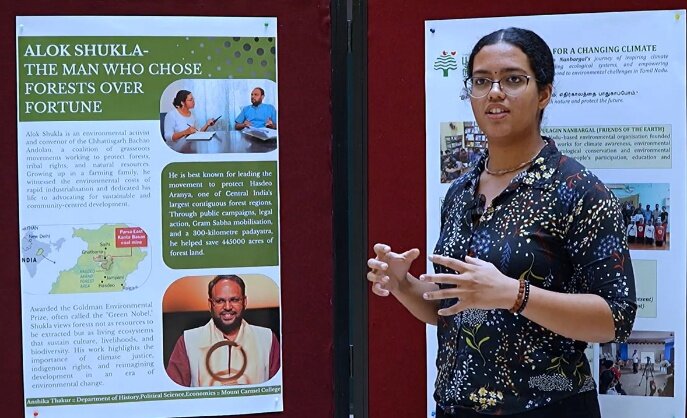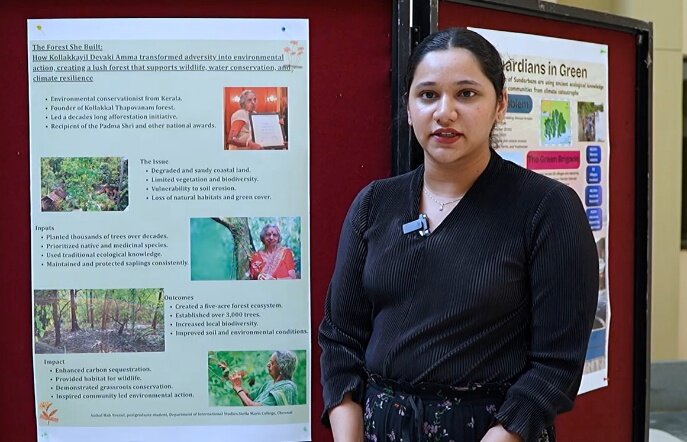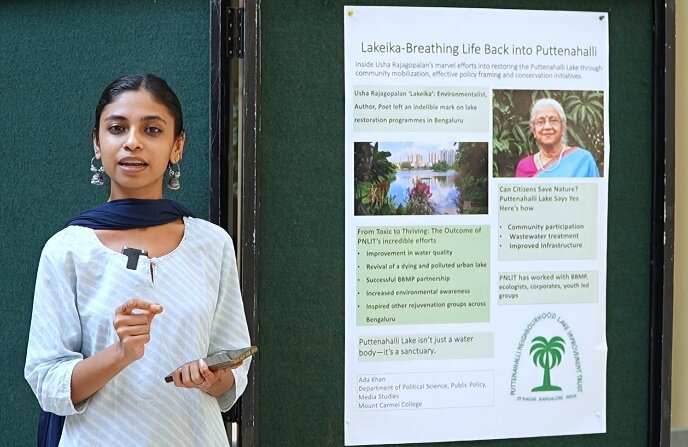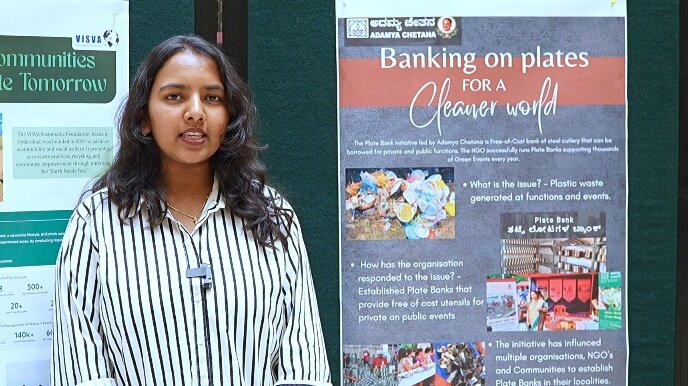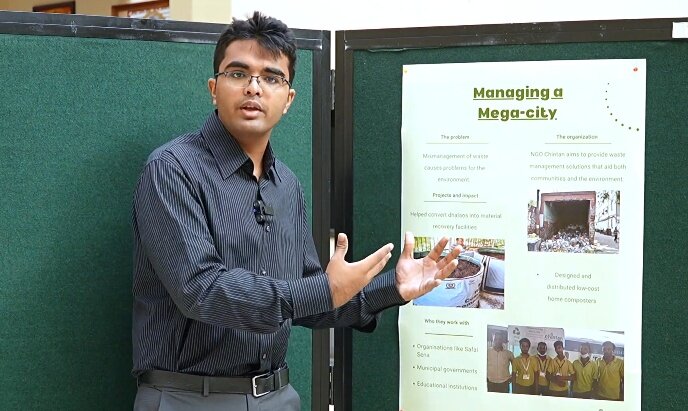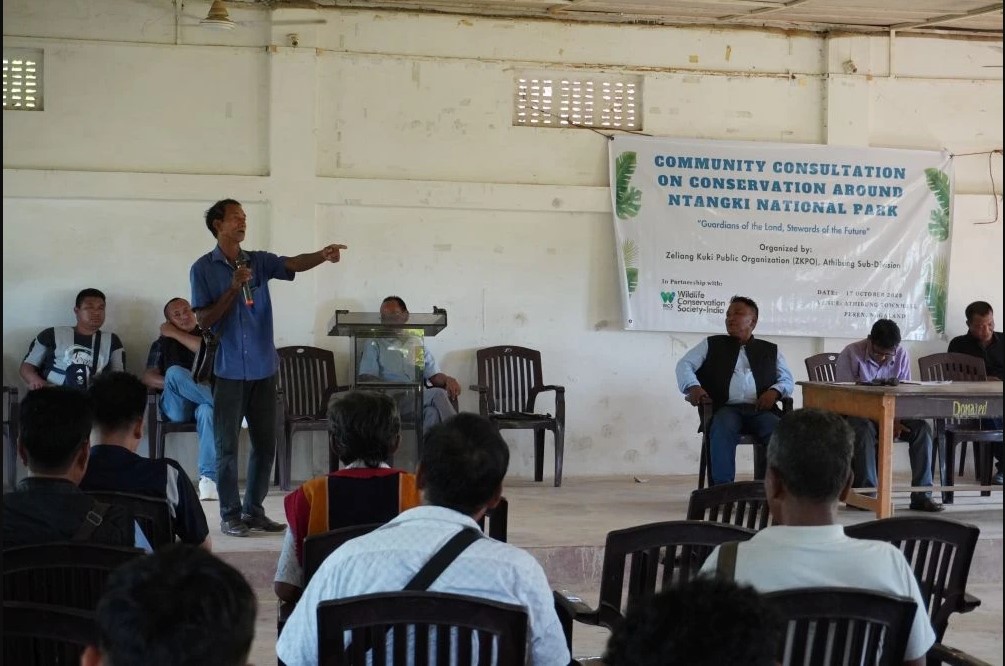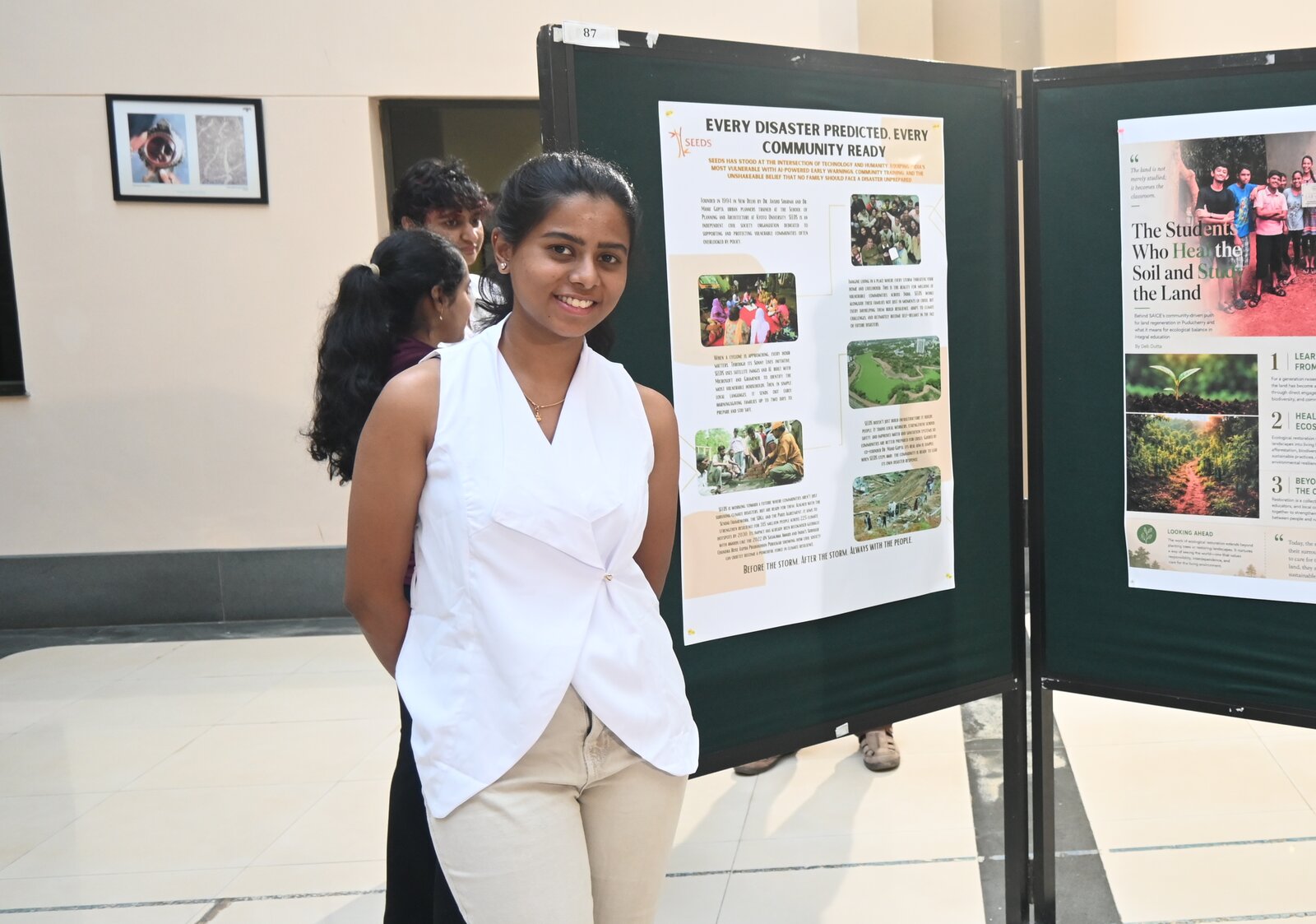
As part of the NIAS Climate Change, Civil Society and Peace (C3SP) initiative in collaboration with GPPAC South Asia, the inaugural workshop of 'The Grass Roots,' the NIAS Youth Network on Climate Change, Civil Society and Peace, was held on 03 June 2026 at the National Institute of Advanced Studies (NIAS), Bengaluru. During the workshop, young scholars from institutions across India examined the role of civil society organisations (CSOs) in responding to climate change through a poster presentation exercise. As part of this initiative, Rakshitha B, a graduate in Political Science and Economics from Mount Carmel College, Bengaluru, documented the work of the Sustainable Environment and Ecological Development Society (SEEDS).
This note examines how SEEDS has strengthened disaster preparedness and climate resilience by combining community-based capacity building with technological innovation, including AI-powered early warning systems and risk mapping. It highlights how investing in preparedness, resilient infrastructure, and local response capabilities has enabled vulnerable communities across India to better anticipate, withstand, and recover from climate-related disasters.
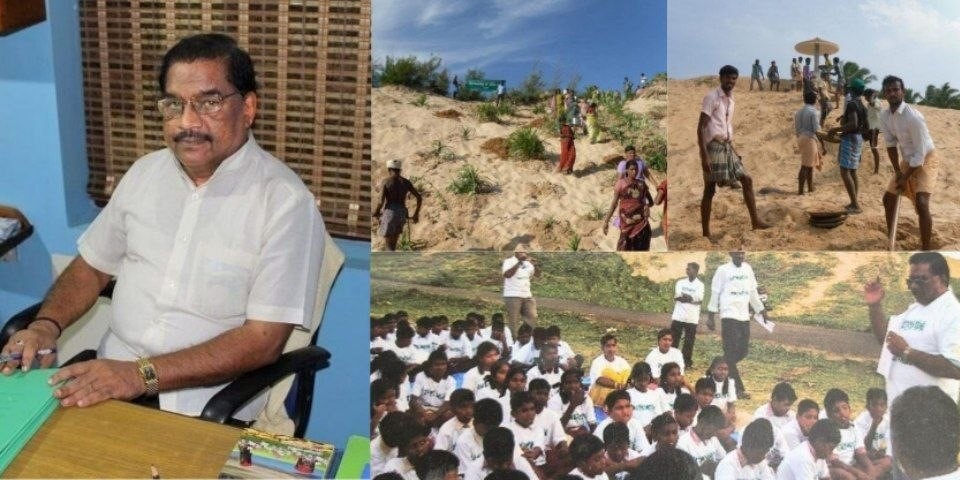
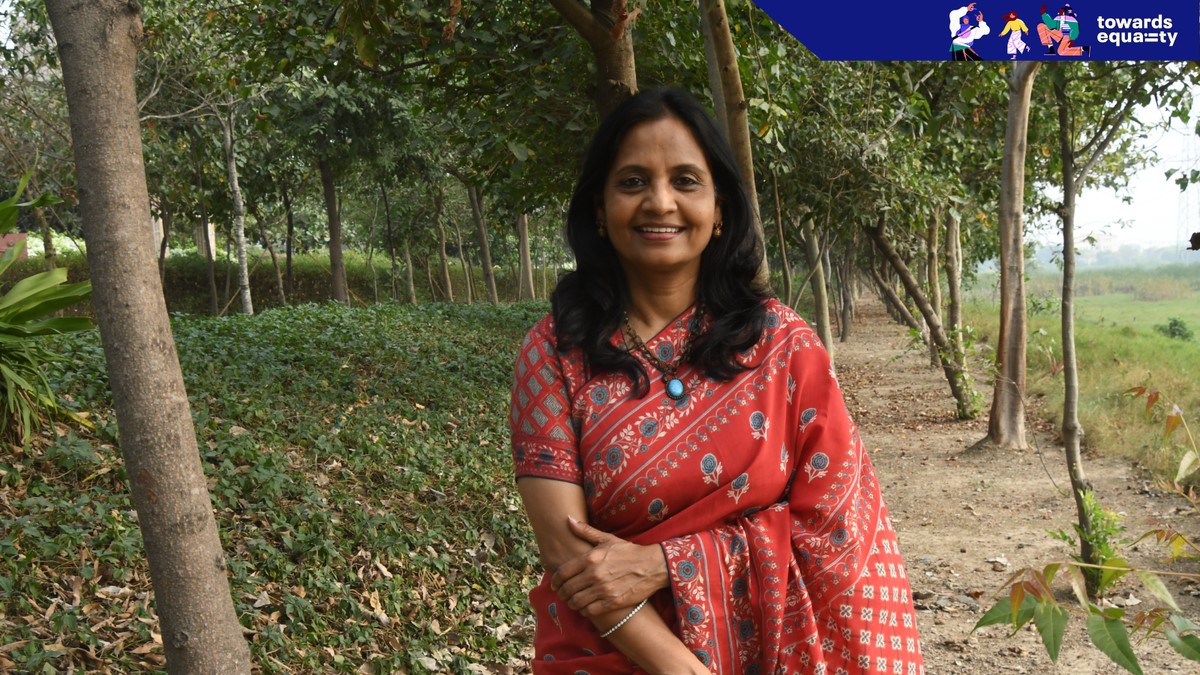
In 1994, two urban planners, Dr Anshu Sharma and Dr Manu Gupta, asked a deceptively simple question: "Why do the people most affected by disasters often receive the least help?" Instead of easier careers, they chose to work directly with communities that needed them most. That choice became SEEDS - Sustainable Environment and Ecological Development Society. Thirty years on, that founding question still drives everything the organisation does.
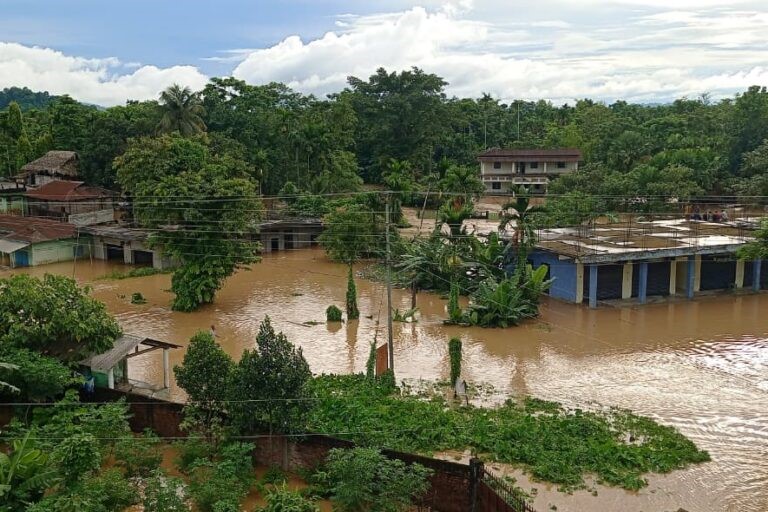
SEEDS works with those who are most easily overlooked: daily-wage workers, fishermen, widows, farmers, and families in remote villages. These communities are usually the first to suffer when disaster strikes and the last to recover. Climate change has made this gap even wider. Take Jasavanta Ram, a construction worker from Barmer, Rajasthan. When Cyclone Biparjoy struck, floodwater destroyed everything his family owned. The organization stepped in not just to rebuild what was lost, but to help the family recover in a way that made them safer and more prepared for the future.
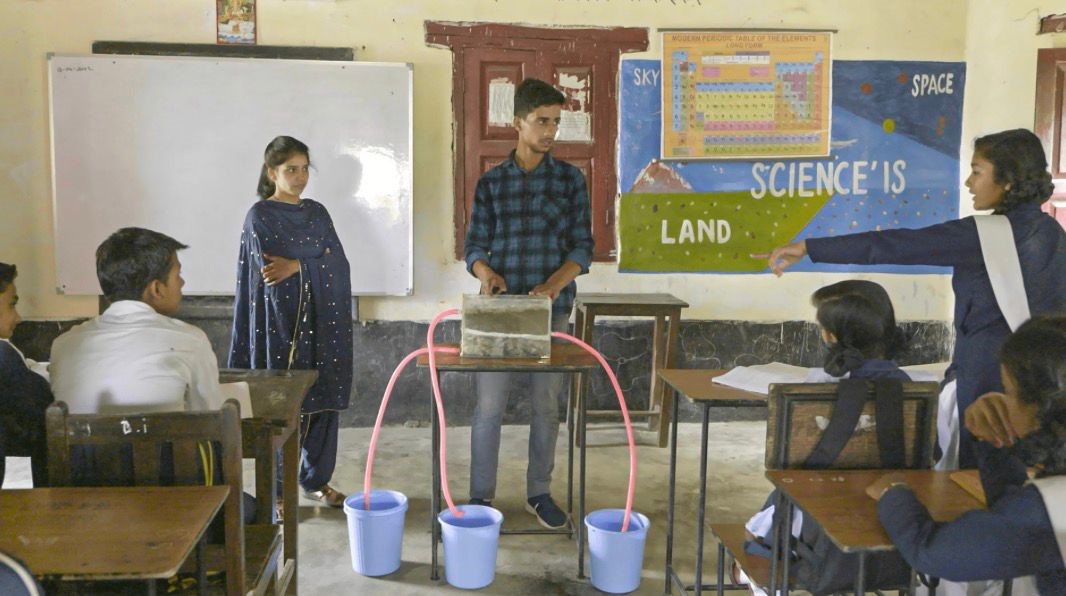
Most disaster relief organisations focus on the emergency itself. However, it goes further in three important ways: Skills over structures, SEEDS rebuilds homes and schools with better safety features while training local people to respond effectively when the next disaster comes. Technology that reaches the last mile, through its Sunny Lives programme, SEEDS uses satellite imagery and machine learning to identify at-risk households. Warnings go out in local languages up to two days before a disaster strikes. Certified accountability, SEEDS is India's first organisation certified under the global Core Humanitarian Standards, an international benchmark for humanitarian response.
SEEDS' work has been recognised at the highest levels: United Nations Sasakawa Award for Disaster Risk Reduction (2022), one of the most prestigious global honours in the field. Subhash Chandra Bose Aapda Prabandhan Puraskar (2021), India's highest honour for disaster management. CNN-IBN Indian of the Year, Public Service (2010), for rebuilding homes after the Leh-Ladakh cloudburst. World Economic Forum: Top 50 COVID-19 Last-Mile Responders in India (2021). UNDRR Sendai Target Champion (2016), for contributions to reducing disaster mortality.
The numbers are significant as SEEDS has reached more than one crore people. Over 22 lakhs have received disaster preparedness training. More than 47 lakhs have gained access to food, clean water, and hygiene support. The organisation has built or restored over 63,000 shelters and 670 schools across India and Nepal. Behind every number is a real person, a family returned to a safe home, a child back in school, a community that now faces the future with greater confidence.
SEEDS continues to work towards a future where no one is left behind because of where they live or how much they earn. Their message is straightforward: support should not end when a disaster is over. Real change happens when people are given the tools, knowledge, and confidence to rebuild their lives and be ready for whatever comes next.