As part of the NIAS Climate Change, Civil Society and Peace (C3SP) initiative in collaboration with GPPAC South Asia, Namrata L Ghanghatkar, Research Intern at the National Institute of Advanced Studies (NIAS), Bengaluru, explores the journey of Harsha Tej, an environmentalist who moved from the corporate sector into lake rejuvenation and ecological restoration in Bengaluru. Drawing on media reports, Namrata at his work through Muddy Fingers and the BlueDot Foundation, and how his efforts to restore damaged lakes and mobilise communities are contributing to the city’s ecological resilience.
Harsha Tej is an environmentalist from Bengaluru and the founder of the initiatives Muddy Fingers and BlueDot Foundation, which focus on lake rejuvenation, afforestation and ecological restoration within the city. Before entering environmental conservation full time, Harsha worked in the corporate sector. However, watching Bengaluru slowly lose its lakes, green cover and biodiversity pushed him towards restoration work and community conservation. Coming from an agricultural background, he often speaks about always feeling connected to soil, water and nature from a young age. Over the last few years, he has shifted his focus entirely towards rebuilding Bengaluru’s damaged ecosystems and creating long term environmental solutions for the city’s growing water crisis.
Bengaluru was once known for its interconnected network of lakes that helped recharge groundwater and support biodiversity across the region. However, rapid urbanisation, encroachment and pollution have severely damaged many of these water bodies over the years. Climate change has further worsened these conditions through irregular rainfall patterns, rising temperatures and increasing water scarcity.
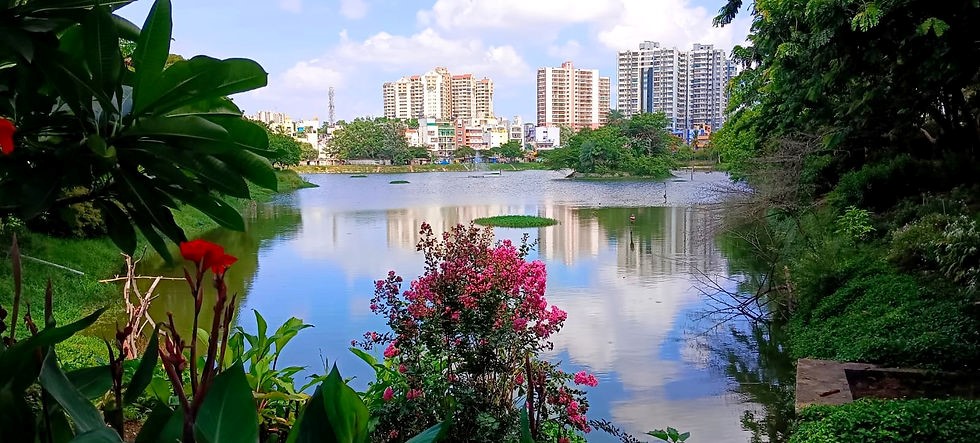
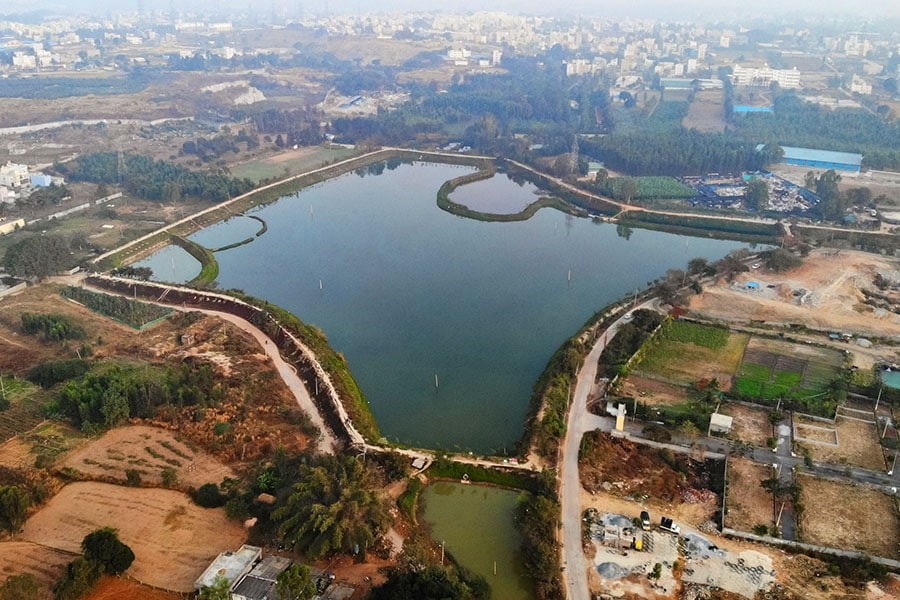
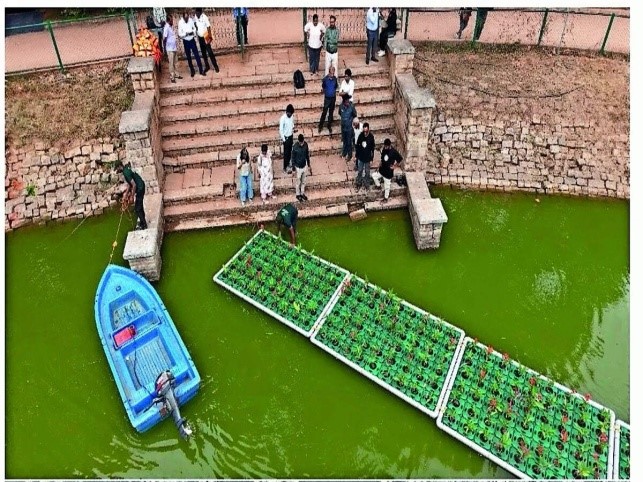
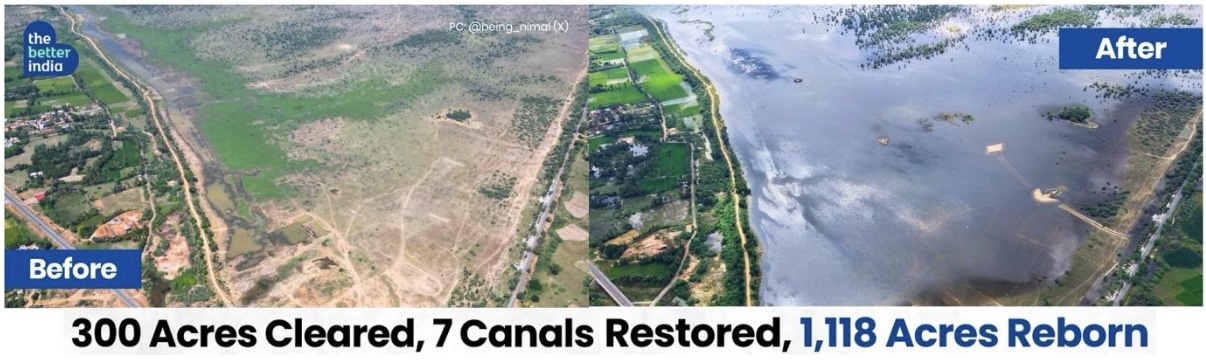
Through Muddy Fingers and BlueDot Foundation, Harsha Tej has worked on restoring several lakes and urban ecosystems across Bengaluru. One of the restoration projects led by his team includes Hunsmaranahalli Lake near Airport Road. He has also worked on restoring a neglected pond inside the CRPF campus in Yelahanka, which was transformed into a functioning three-acre lake ecosystem through desilting, catchment restoration and biodiversity regeneration.

Source: Harsha Tej
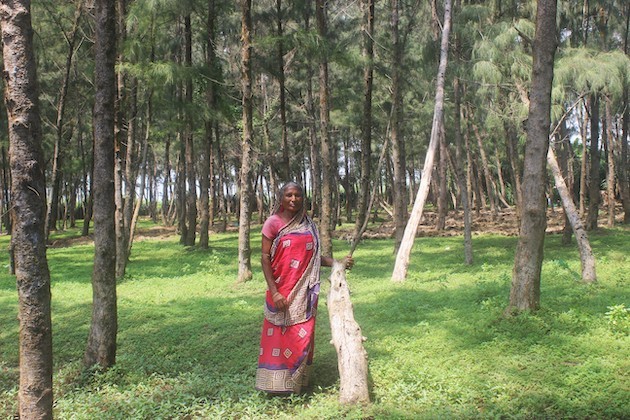
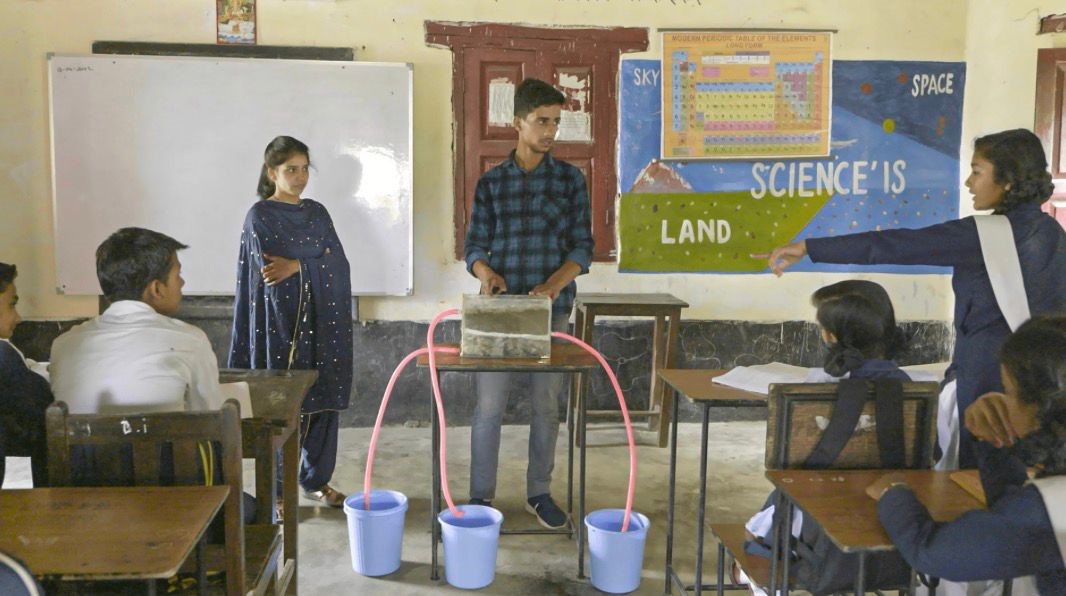
His restoration work includes increasing water holding capacity, planting native tree species around lake ecosystems and creating wetlands that naturally filter polluted water before it enters the lakes. Alongside restoration work, Harsha also organises plantation drives and community conservation programmes that encourage volunteers and local residents to participate in ecological restoration efforts.

Source: BlueDot Foundation
These restoration efforts have helped improve groundwater recharge, increase rainwater retention and restore biodiversity around damaged urban ecosystems. Rejuvenated lake systems have gradually started attracting birds, insects and other species back into these habitats. Increased green cover around restored lakes also helps reduce urban heat stress and improves ecological balance within the city. Through volunteer participation and long-term restoration work, Harsha Tej’s initiatives demonstrate how rebuilding urban ecosystems can help cities respond to growing climate and environmental challenges while reconnecting communities with nature.
References:
“From concrete jungle to water positive: Environmentalist Harsha Tej’s mission to save Bengaluru’s lakes,” The New Indian Express, 10 June 2024
“Community initiative breathes fresh life into CRPF campus lake in Bengaluru,” The Times of India, 21 March 2025
About the Author:
Namrata L Ghanghatkar is a postgraduate student at the Department of Public Policy, Ramaiah University of Applied Sciences, Bengaluru. She is currently a research intern at the National Institute of Advanced Studies (NIAS).