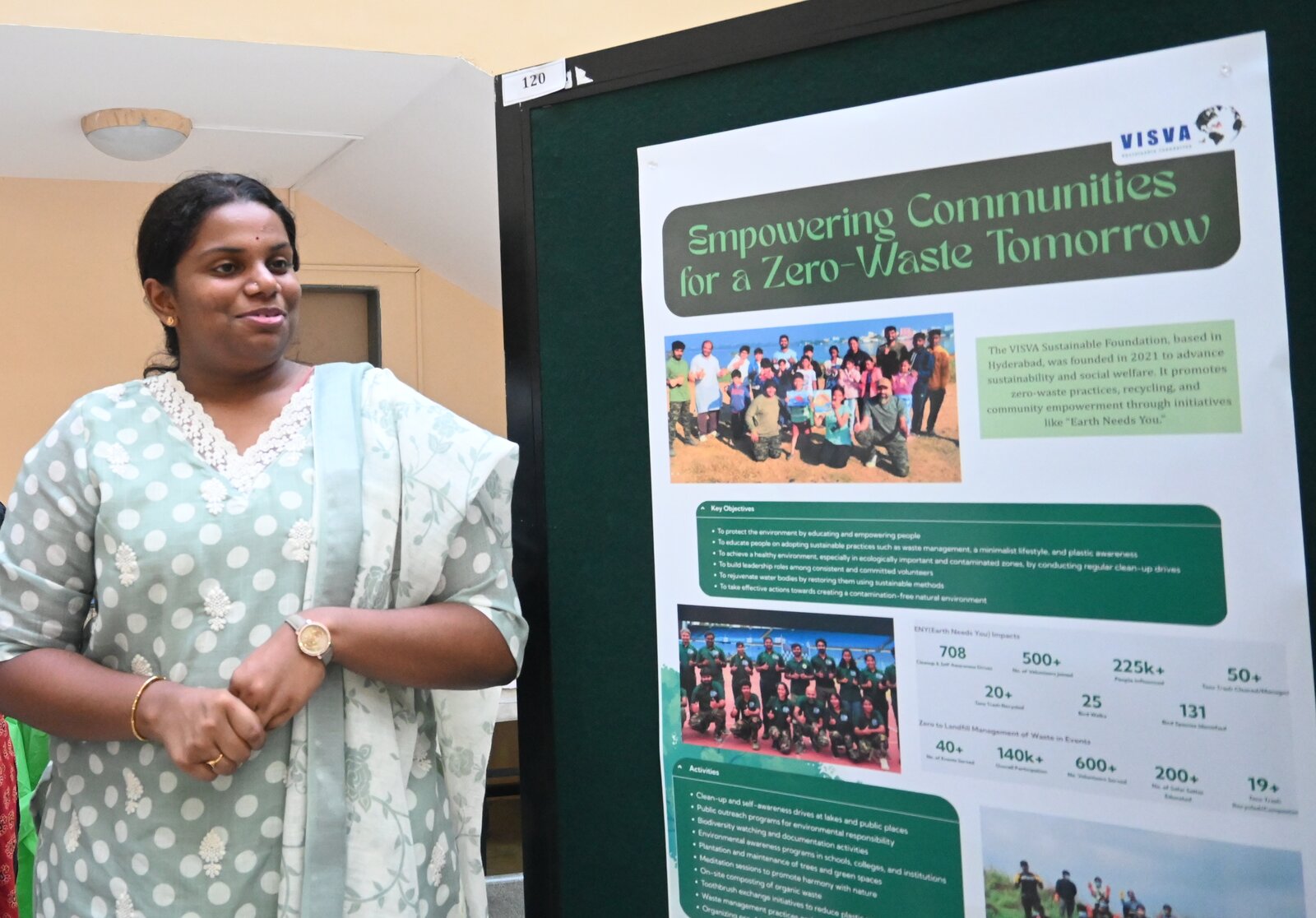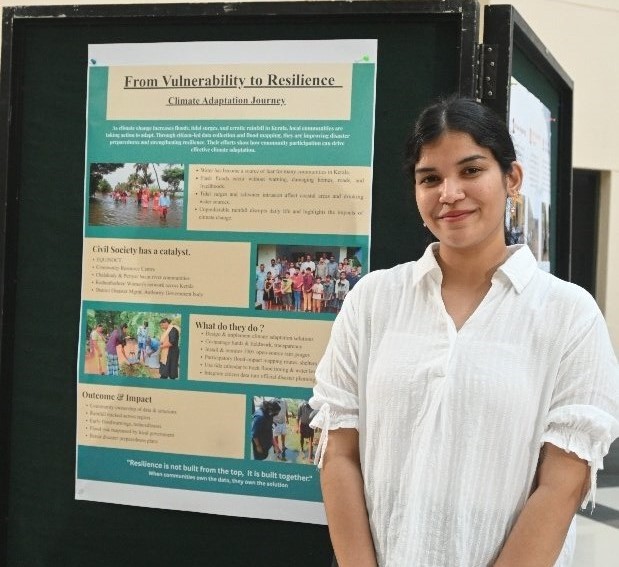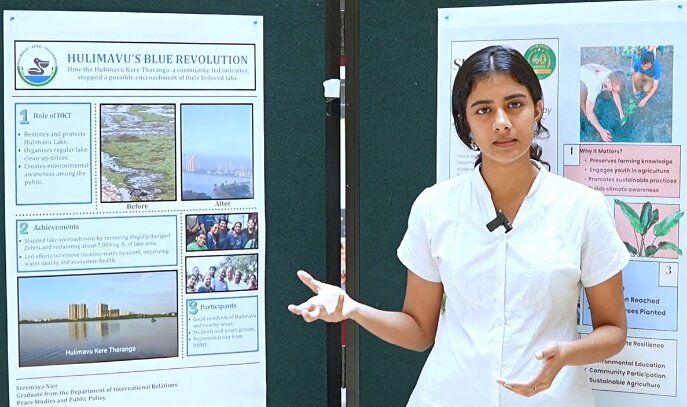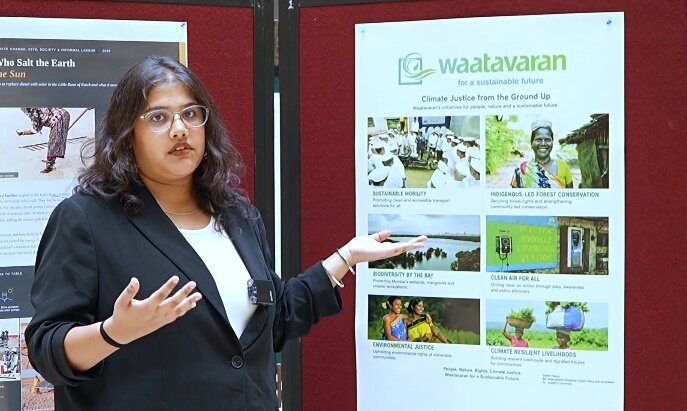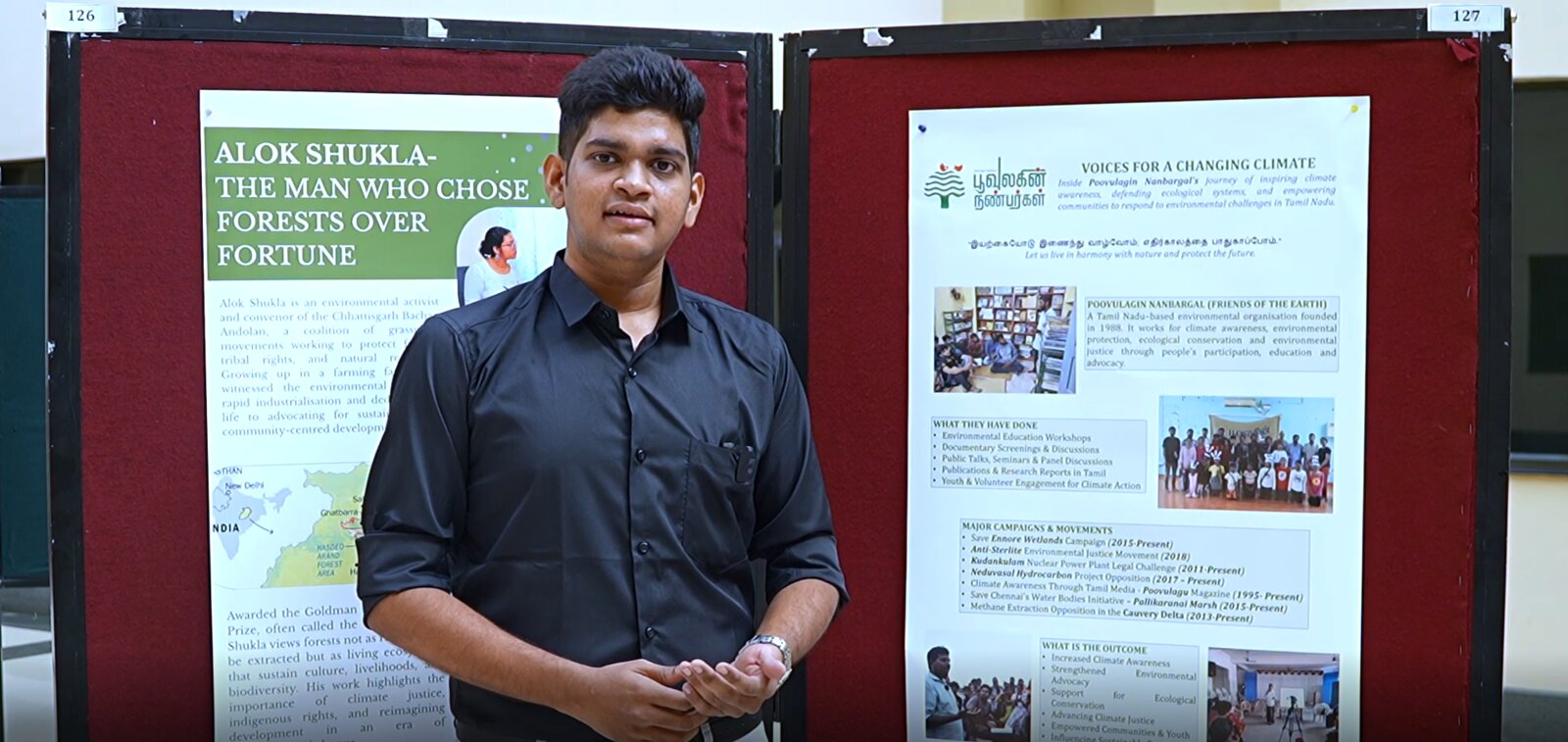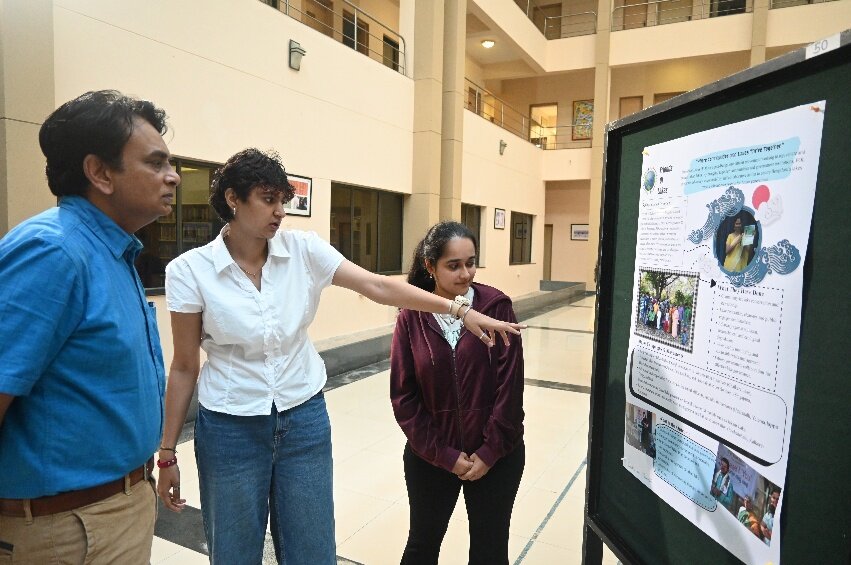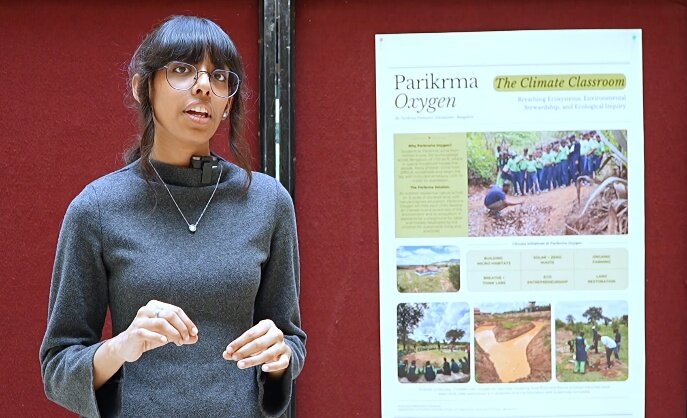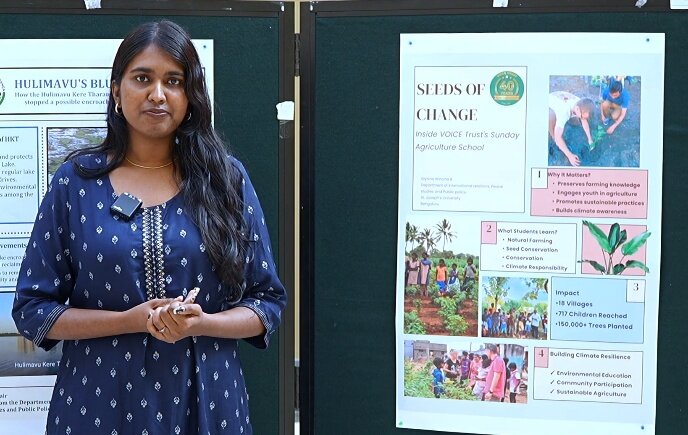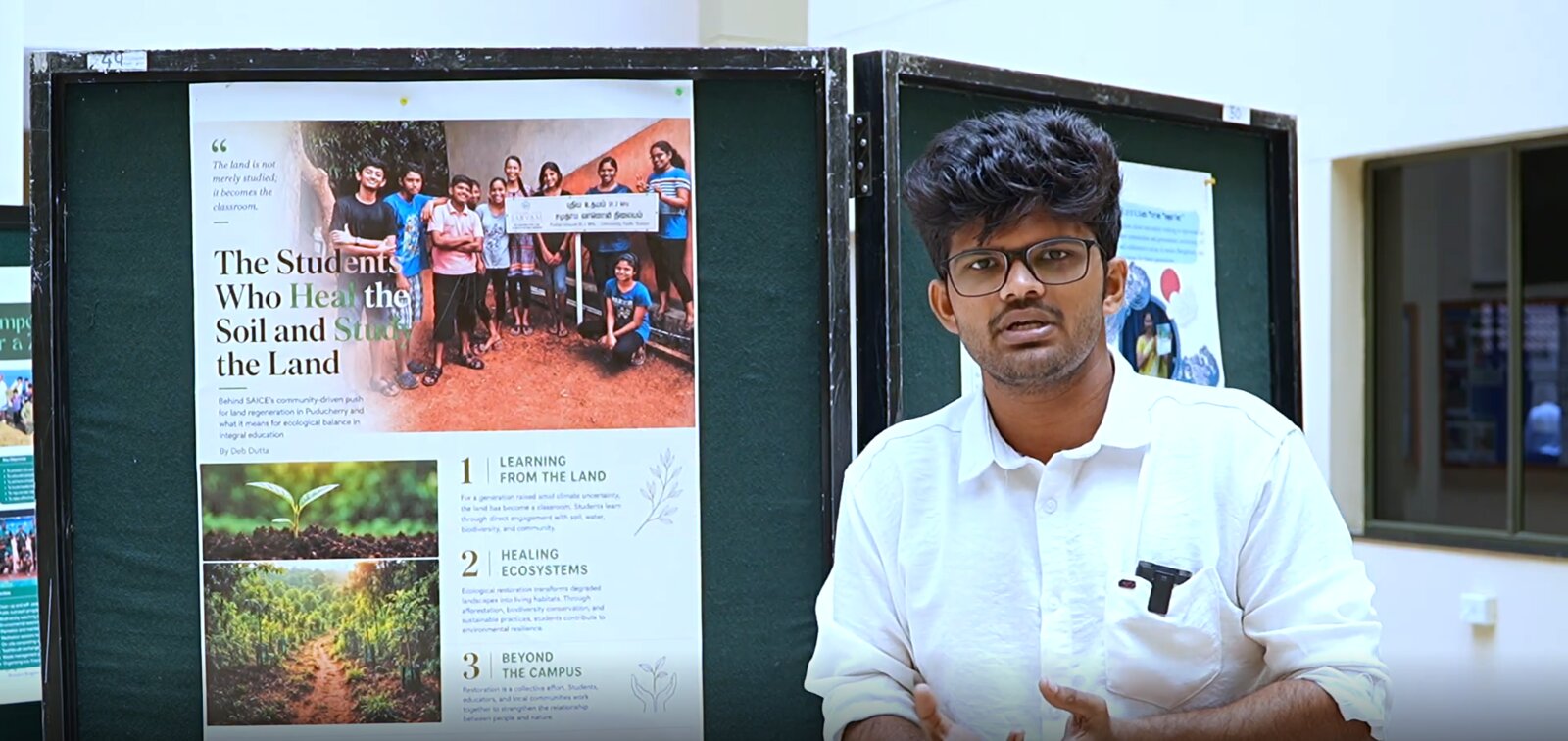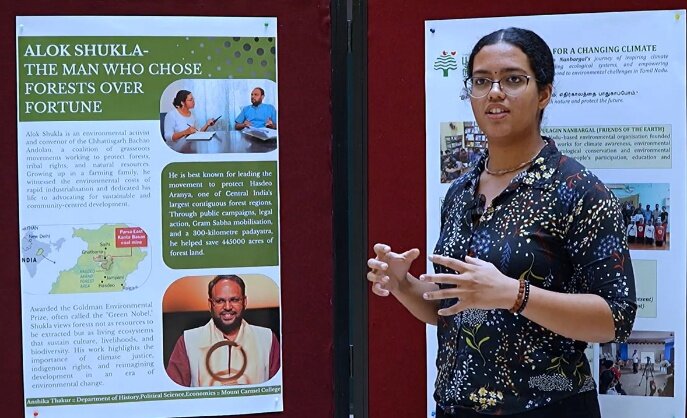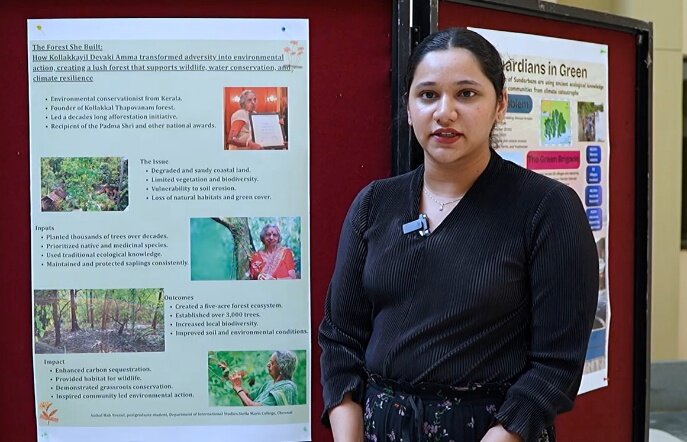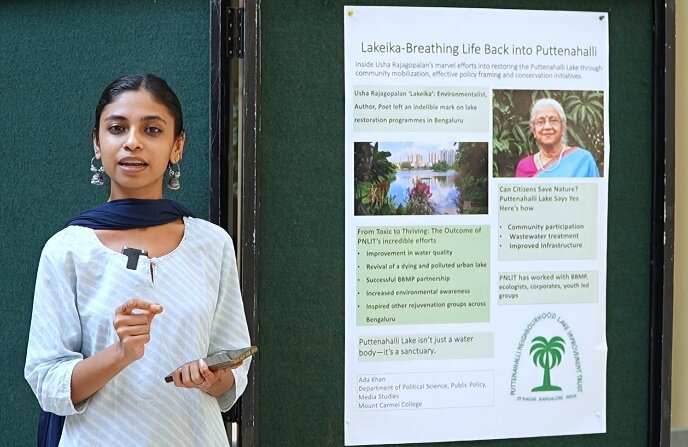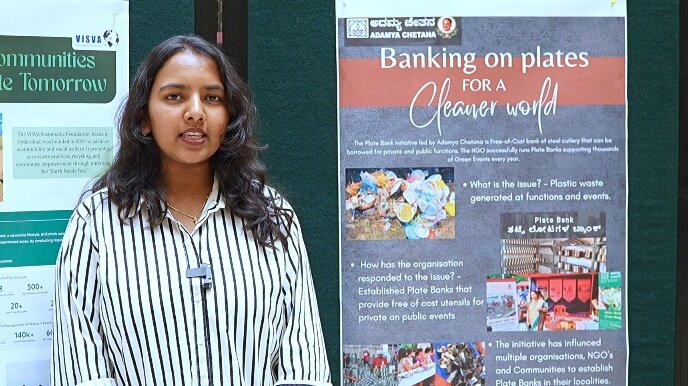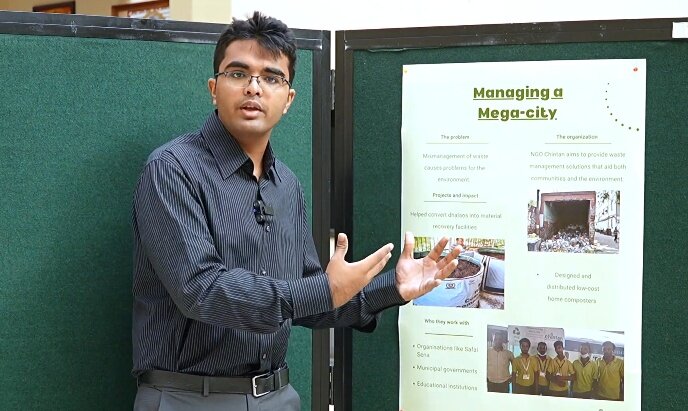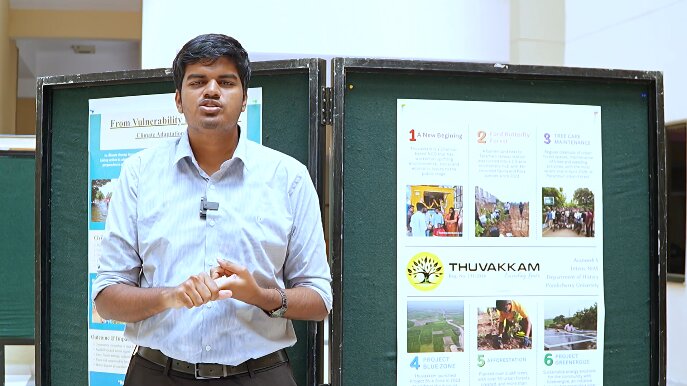
As part of the NIAS Climate Change, Civil Society and Peace (C3SP) initiative in collaboration with GPPAC South Asia, the inaugural workshop of 'The Grass Roots,' the NIAS Youth Network on Climate Change, Civil Society and Peace, was held on 03 June 2026 at the National Institute of Advanced Studies (NIAS), Bengaluru. During the workshop, young scholars from institutions across India examined the role of civil society organisations (CSOs) in responding to climate change through a poster presentation exercise. As part of this initiative, Avaneesh S, a postgraduate student in the Department of History, School of Social Sciences, Pondicherry University, documented the work of Thuvakkam, a Chennai-based non-governmental organisation.
This note examines how Thuvakkam has addressed climate change through an integrated approach combining urban afforestation, water conservation, renewable energy, and community development initiatives. It highlights how locally driven interventions can strengthen climate resilience, restore degraded ecosystems, promote sustainable livelihoods, and improve environmental sustainability in rapidly urbanising regions.
Thuvakkam ("begining") is an NGO based in Chennai, Tamil Nadu. It was founded in 2014, and has a presence in over 8 states in India. The organization promotes sustainable ways of living, combats climate change by afforestation and tree maintenance campaigns, initiatives for water conservation, built solar farms for schools and communities, and helps the economically underprivileged, the special needs and differently-abled peoples. As climate heat, extreme weather events, water scarcity, and environmental loss increases, Thuvakkam seeks to address and mitigate these effects of climate change. Their core mission is to create awareness on various social issues, work towards a clean and green environment and enhance societal well-being. As such, they have taken up a number of initiatives to see through their mission, where they have built green environments, impart quality education and life skills to children, and work towards an equitable and just society.
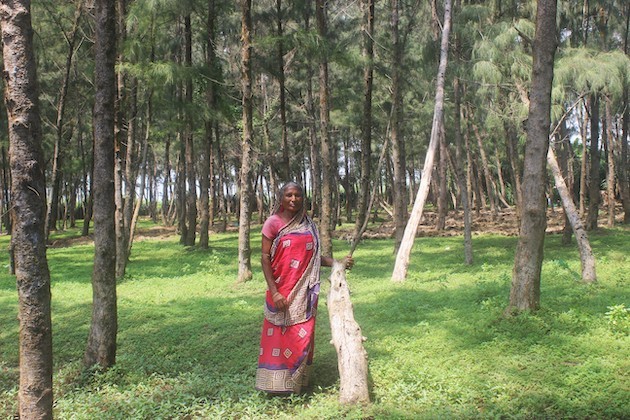
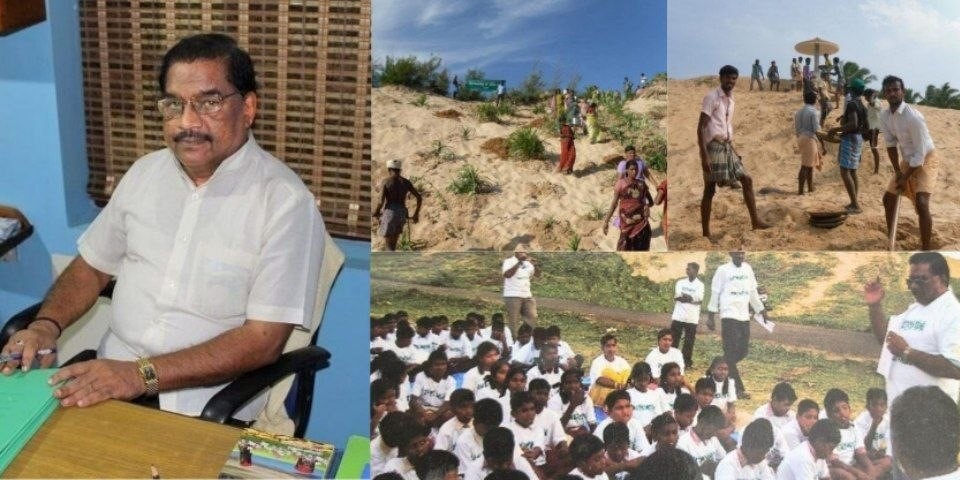
One of their biggest programs is their afforestation campaign, where they have planted more than three lakh trees, which have created fifty plus forests, over 70 acres of green cover created, which has yielded 3,000+ tons of CO2 being sequestered. They use the Miyawaki method of afforestation, which focuses on creating hyper-dense patches of native vegetation and trees, using a four-step process involving botanical research, soil enhancement, planting dense clusters of seeds, and regular maintenance. The Miyawaki method has yielded 10x faster growth in green growth, creating carbon sinks in a relatively short period of time. The biggest success comes from their Ford Butterfly forest near Taramani railway station, where a 2.3 acre of wasteland was converted to a lush green environment with over 44+ unique flora and fauna documented in just three years.
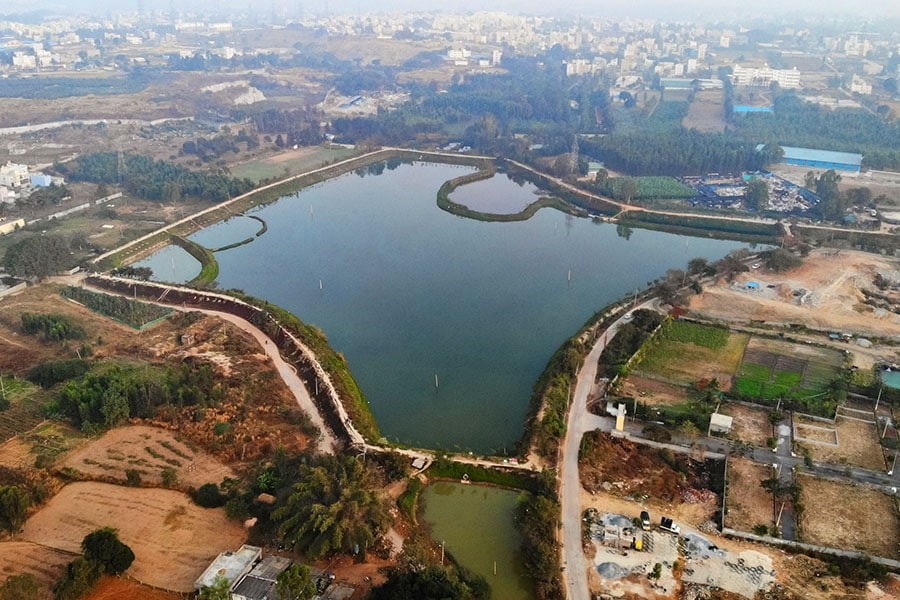
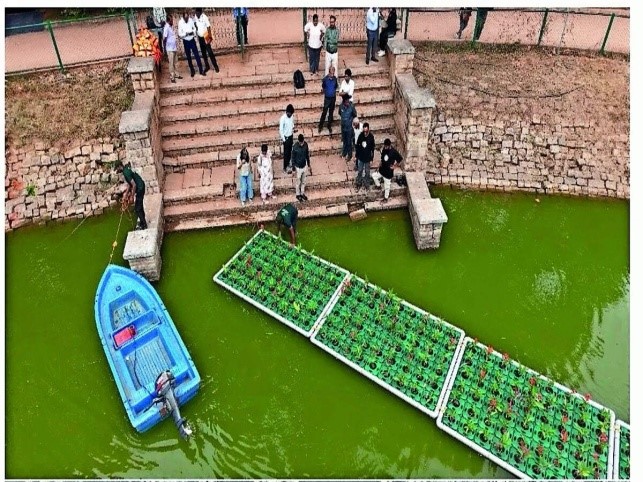
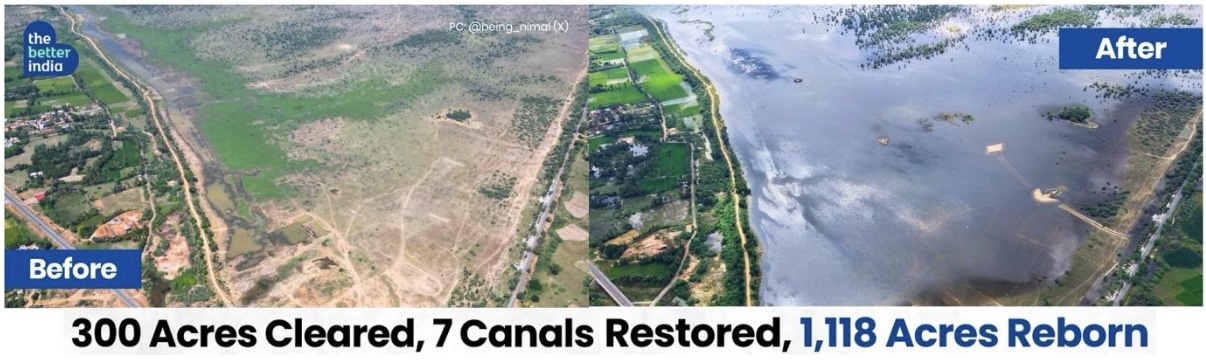
The organization has also taken up water conservation efforts, with their flagship project called as "Blue zone," where restoration of water catchment areas was key to support communities and ecosystems. The project aims to recharge groundwater, revive traditional water bodies, and build resilience against water scarcity. They have created over thirty-two crore liters of water storing capacities, 3.2 lakhs cubic meters of volume of water is created, and with over 22 water bodies rejuvenated. They have also installed 173 solar streetlights across Tamilnadu, and powered nine schools across Tamil Nadu, Karnataka and Telangana with solar energy, and built community plant gardens for a sustainable learning environment.
Alongside mitigating the effects of climate change, they have also started community driven initiatives where they have created 25 livelihoods with creating bunk shops across three cities, which created lasting employment, nurture entrepreneurship, and promote financial independence through micro-financing, market linkages and self-help groups. The organization works with various corporate groups, educational institutions to help with their vision. This collaborative approach has enabled them to cut across different sectors of society, and take an active approach to mitigate the disastrous effects of climate change and economic inequality.