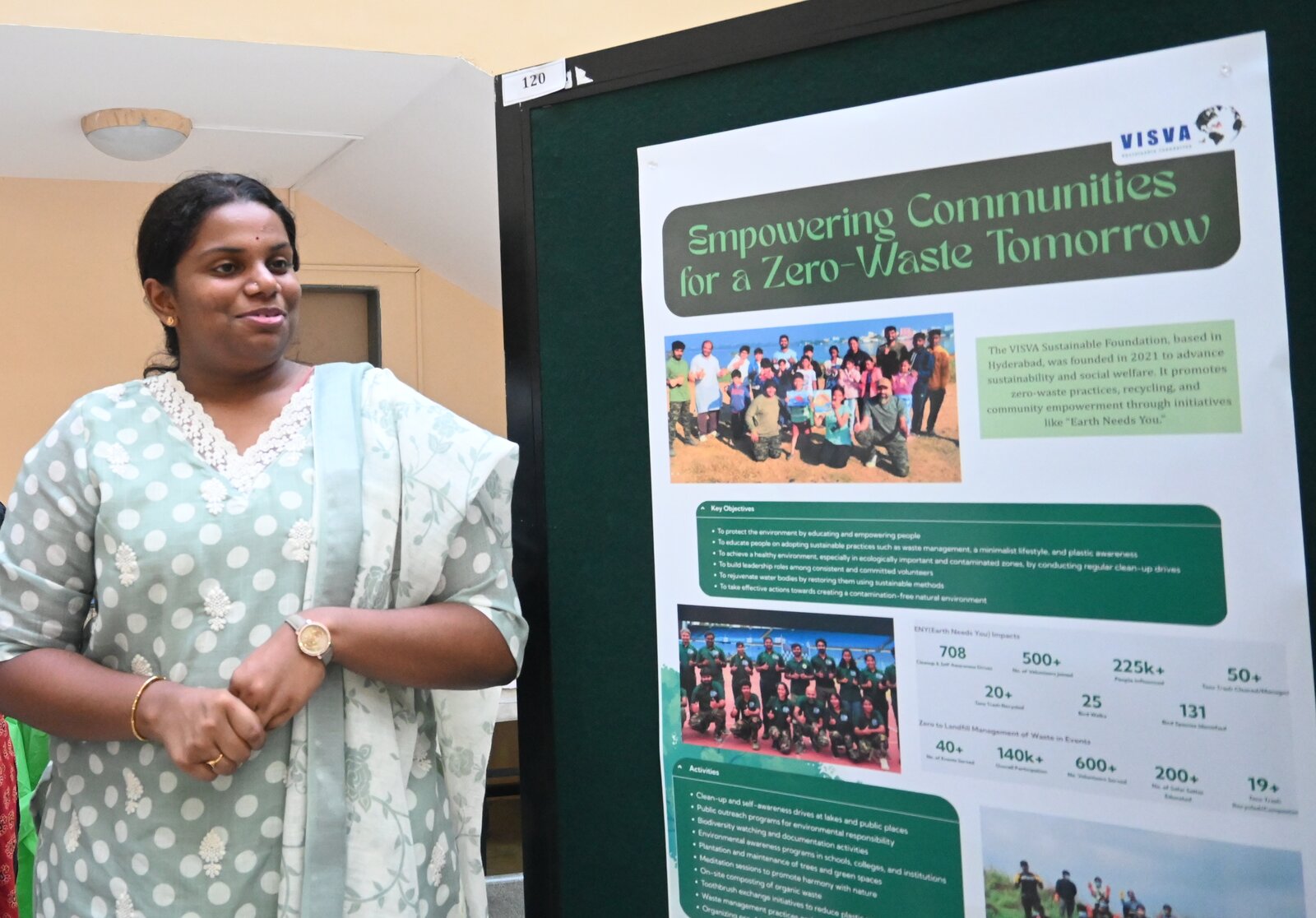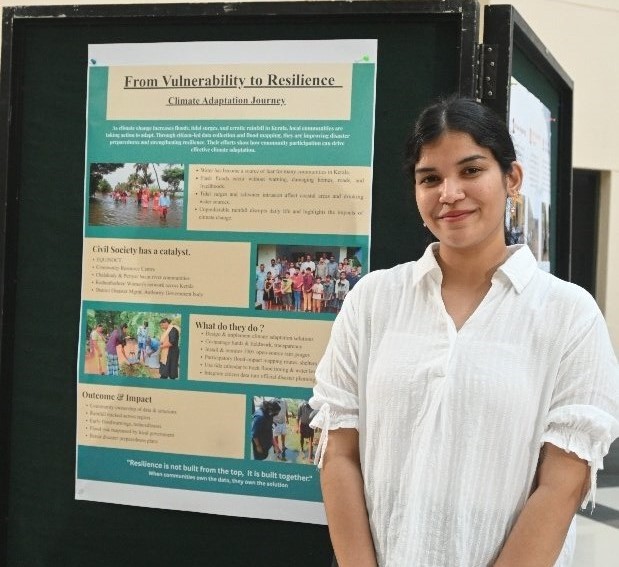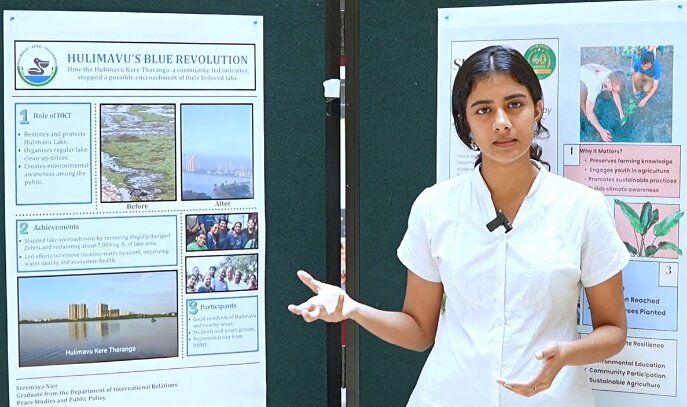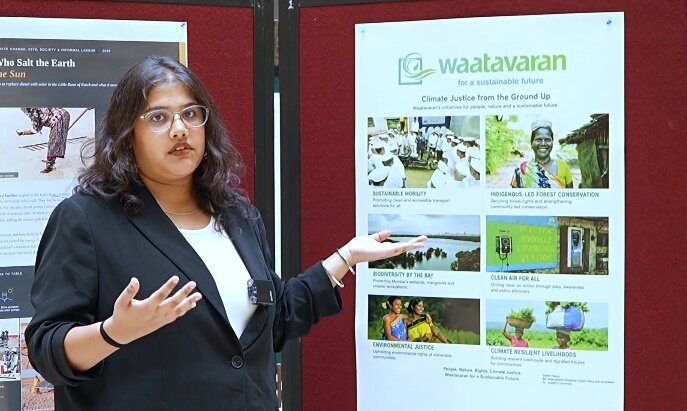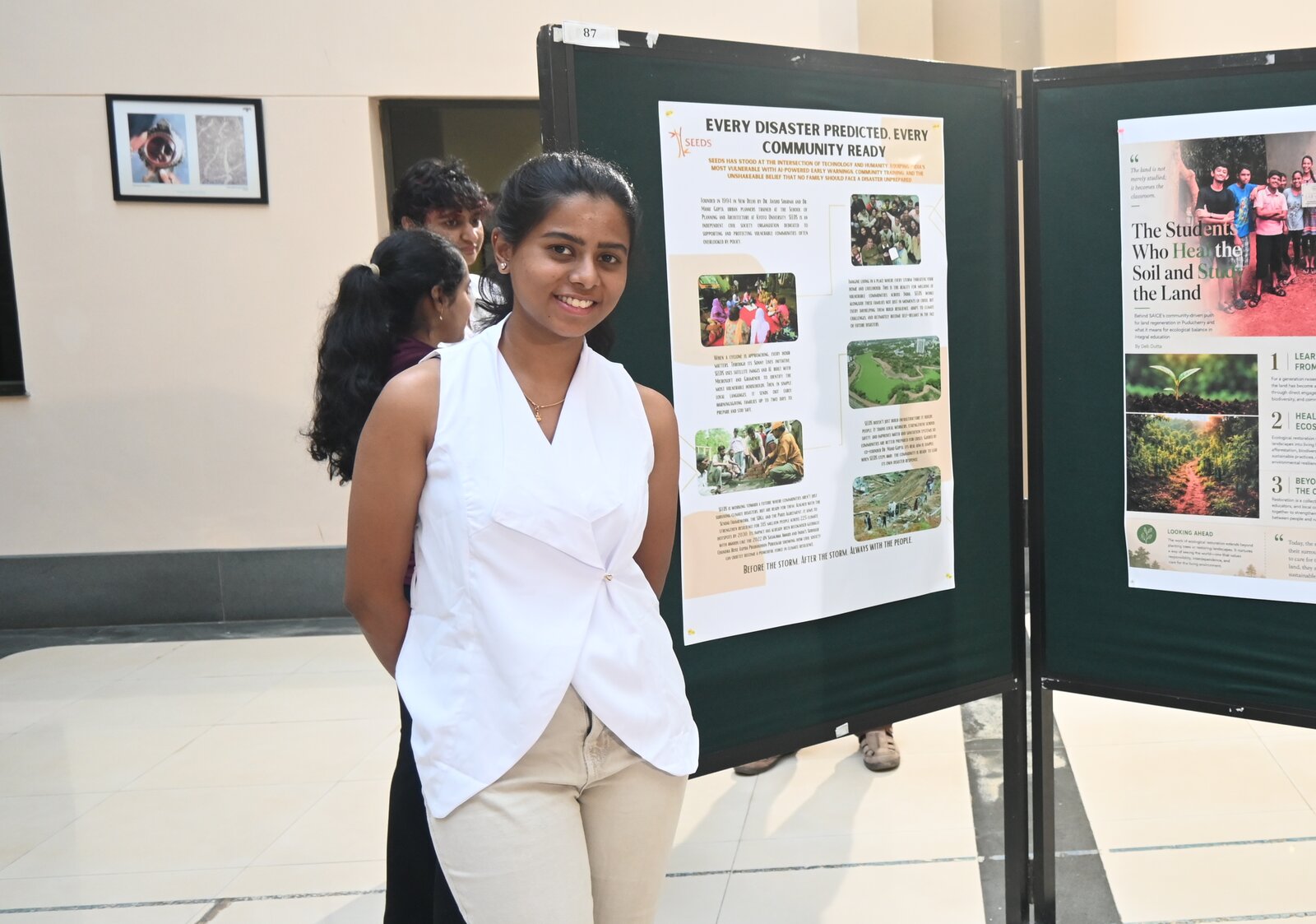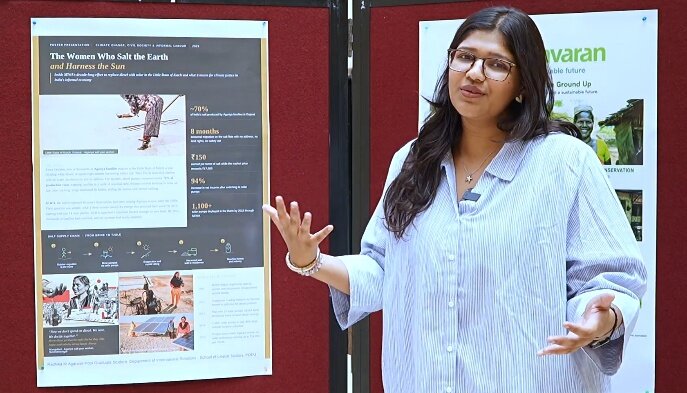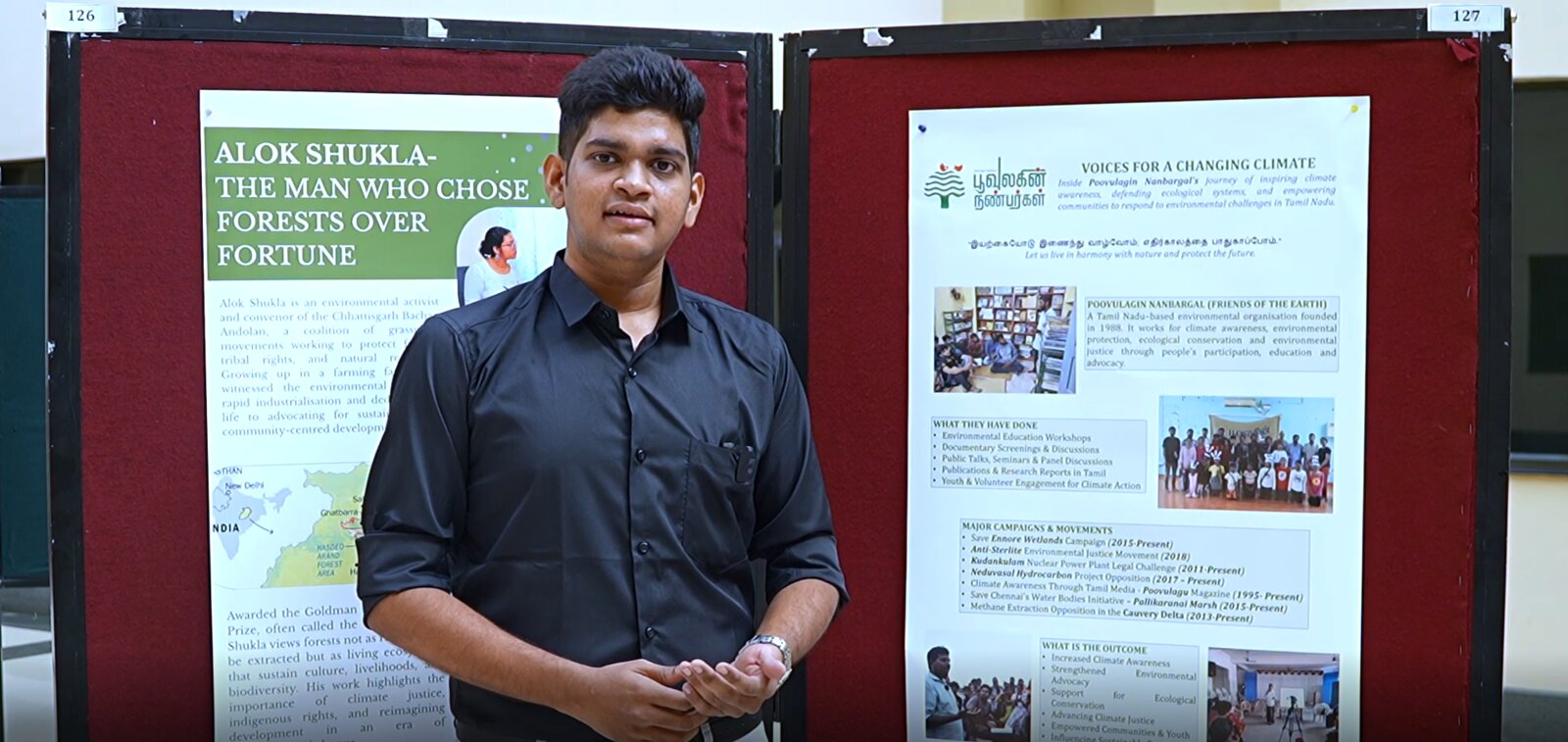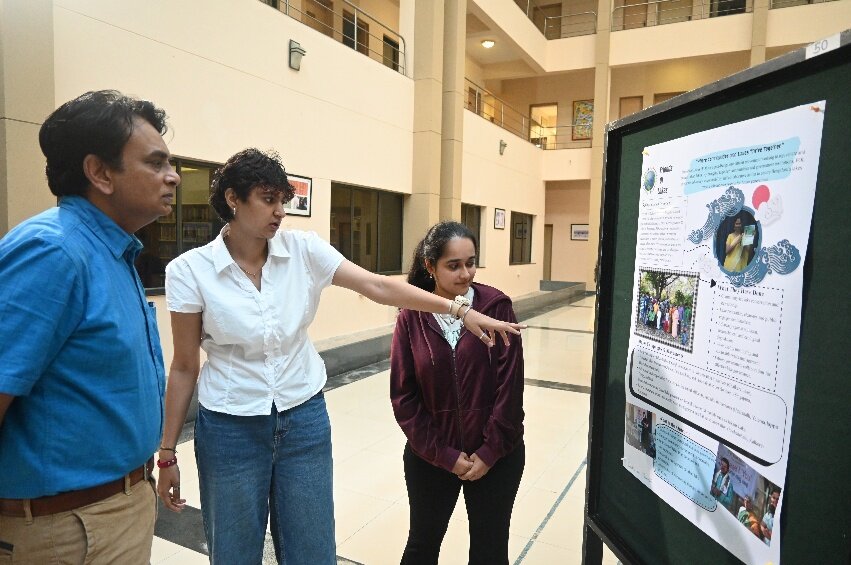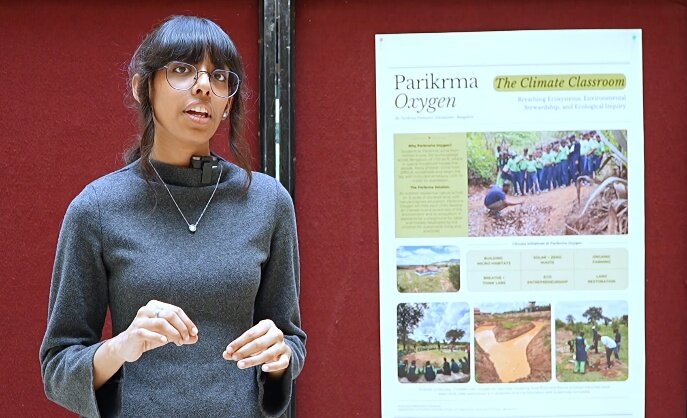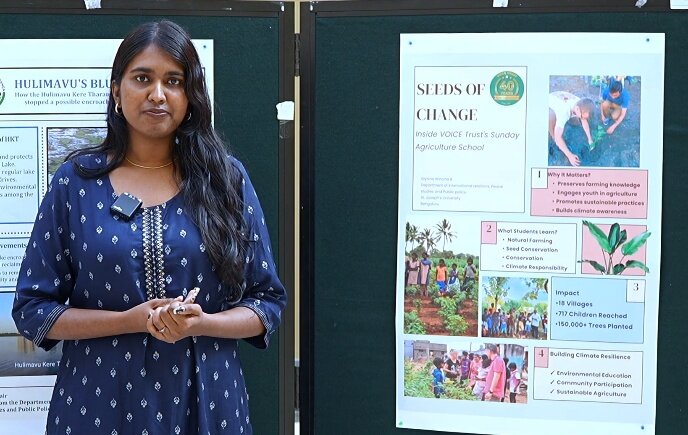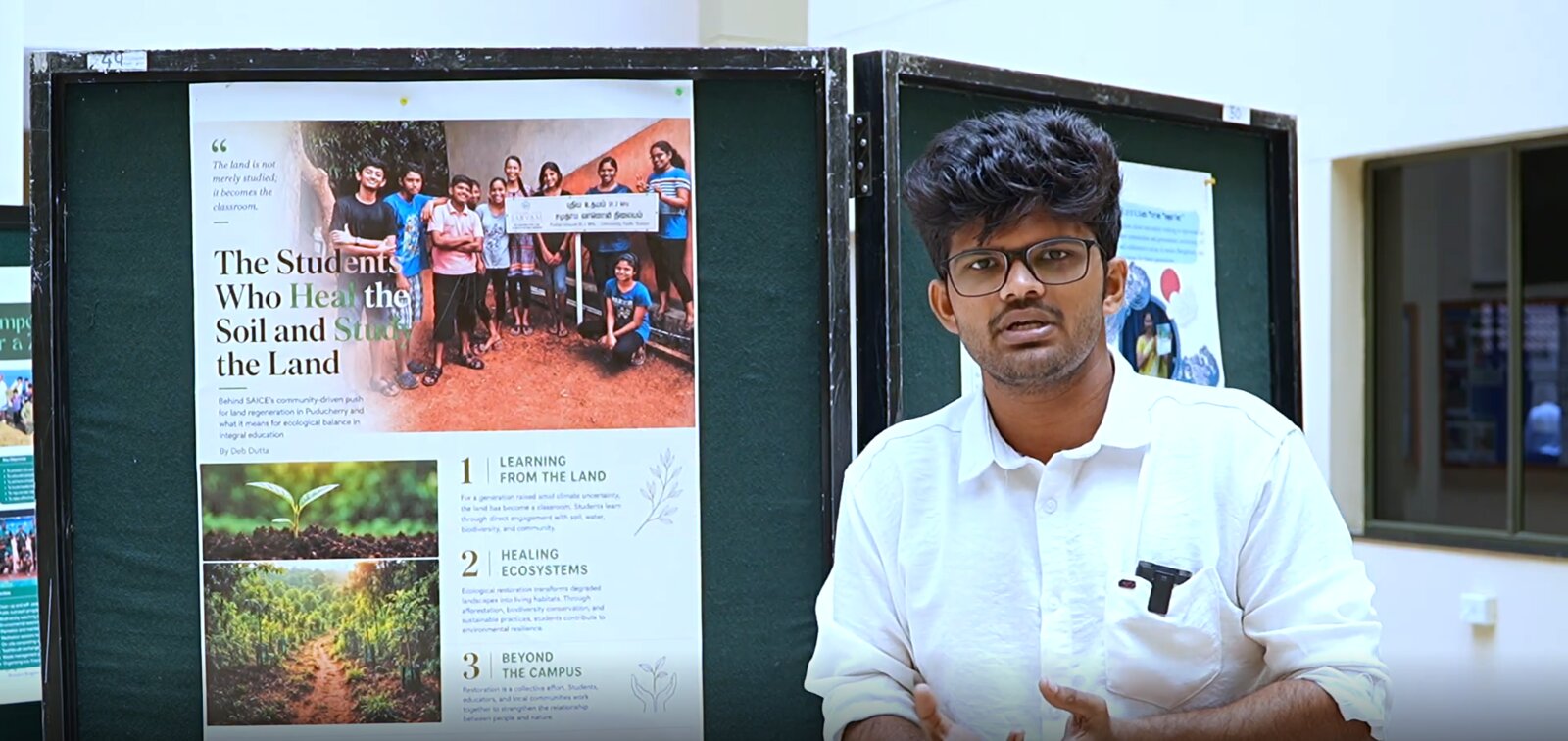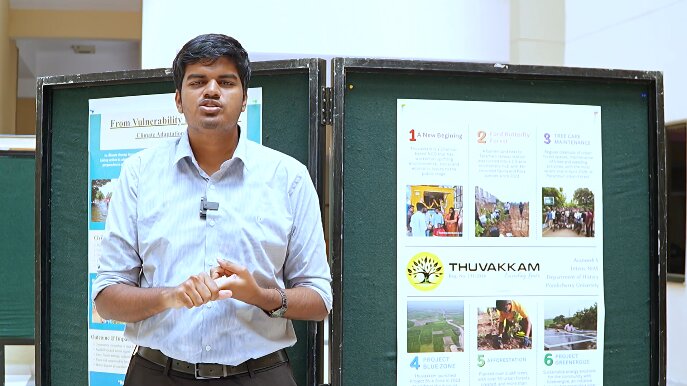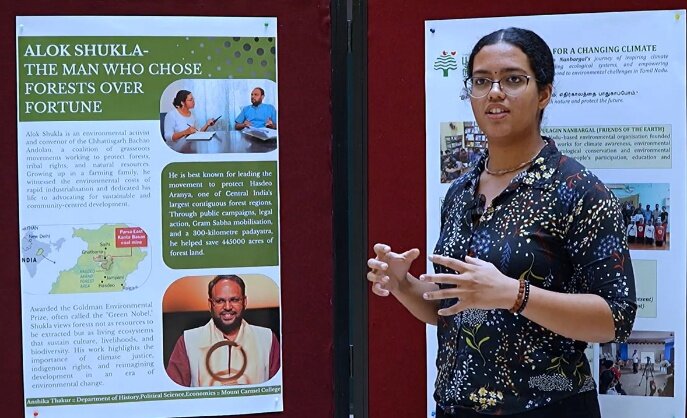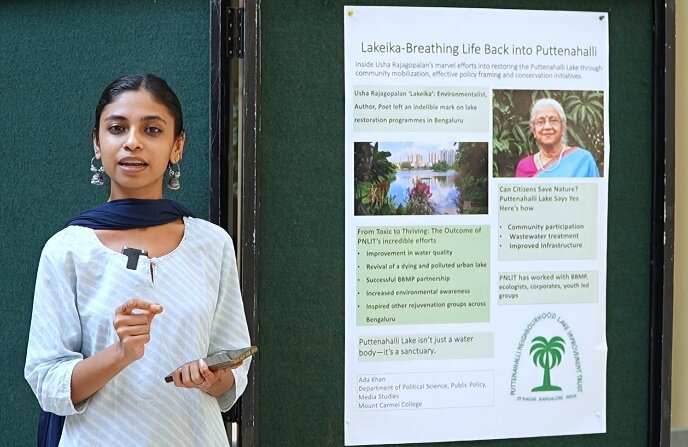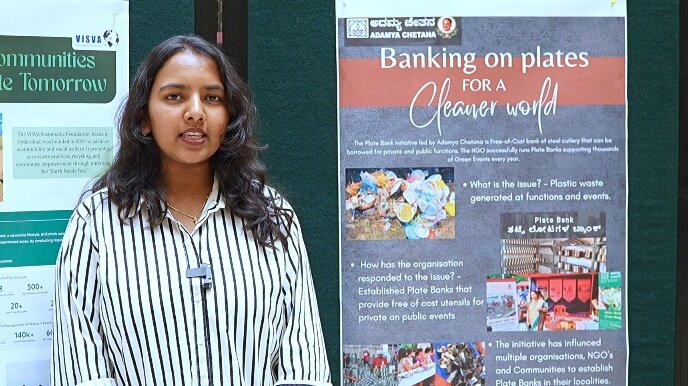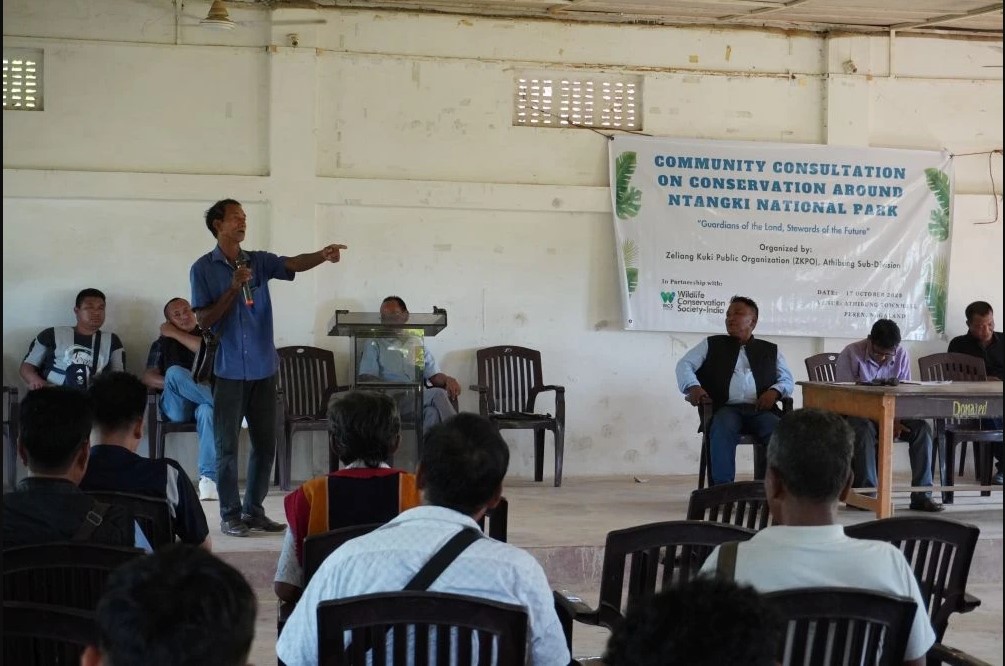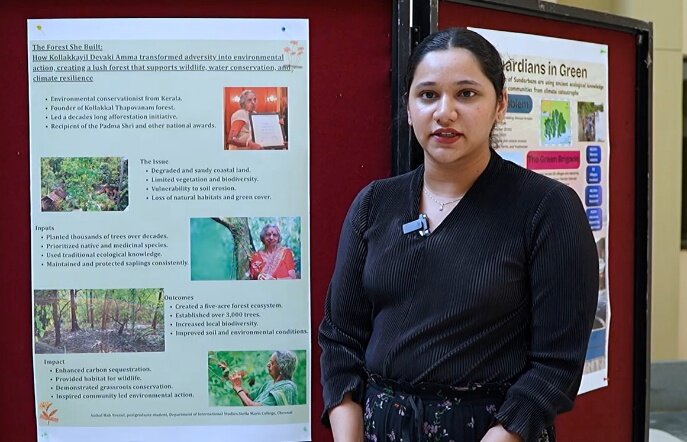
As part of the NIAS Climate Change, Civil Society and Peace (C3SP) initiative in collaboration with GPPAC South Asia, the inaugural workshop of 'The Grass Roots,' the NIAS Youth Network on Climate Change, Civil Society and Peace was held on 03 June 2026 at the National Institute of Advanced Studies (NIAS), Bengaluru. During the workshop, young scholars from institutions across India examined the role of civil society organisations (CSOs) and grassroots environmental leaders in responding to climate change through a poster presentation exercise. As part of this initiative, Aishal Hab Yousuf, a postgraduate student in the Department of International Studies at Stella Maris College, Chennai, documented the environmental conservation efforts of Kollakkayil Devaki Amma.
This note examines how Kollakkayil Devaki Amma transformed degraded coastal land in Kerala into a thriving forest ecosystem through sustained afforestation and environmental stewardship. It highlights how long-term individual action can contribute to biodiversity conservation, water retention, carbon sequestration, and climate resilience, while demonstrating the role of community-inspired environmental leadership in restoring fragile ecosystems.
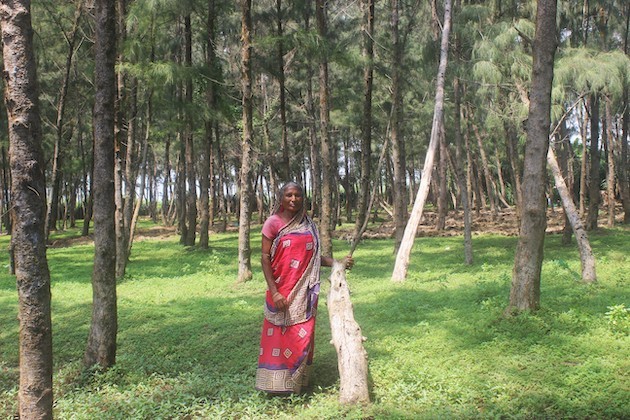
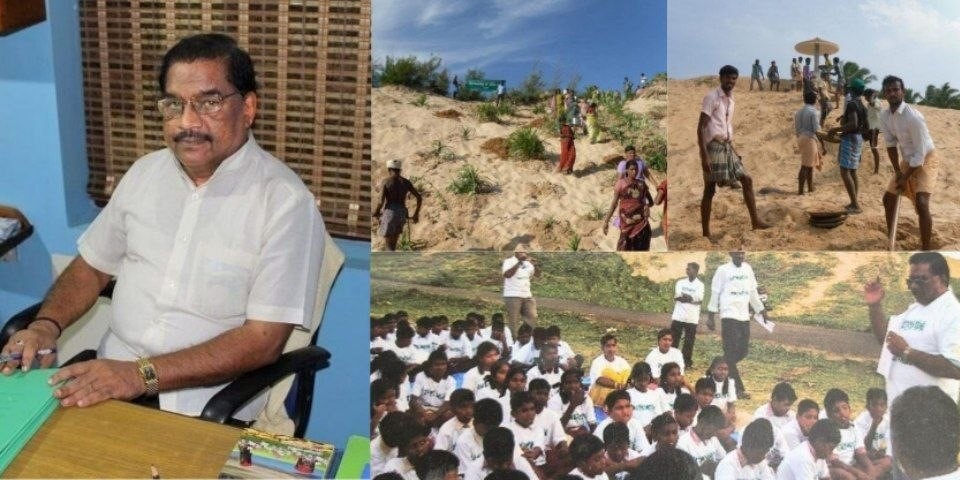
Kollakkayil Devaki Amma is an environmental conservationist from Alappuzha district, Kerala. Her dedication over the decades is testament to the fact that even initiatives led by individuals can play a role in ecological restoration. Over the years, she transformed around five acres of degraded coastal land into a forest ecosystem named as "Kollakkal Thapovanam." Her sustained efforts have contributed to the conservation of biodiversity, environment sustainability which was recognised at both the state and national level.
The land at the coastal region from where Devaki Amma hails is usually characterised as sandy and infertile with a limited tree cover. The landscape is vulnerable to soil degradation and declining groundwater retention which increases its vulnerability to environmental stressors. During the later part of the twentieth century, akin to other parts of the country Kerala too had experienced unsustainable urbanisation and a loss of natural vegetation. The absence of the natural vegetation led to an ecological imbalance which in turn resulted in reduced habitat for indigenous flora and fauna.
A road accident in 1980, restricted Amma to continue with conventional agricultural activities and this turned toward environmental restoration. Rather than leaving the land unused, she identified the concept of afforestation as a means to ameliorate its condition.
The focal point of Devaki Amma's much needed intervention was the gradual establishment of a forest ecosystem through sustained tree planting and land stewardship.Her approach centred around the cultivation of diverse species including native, fruit bearing, shade giving, and medicinal plants.
Along with planting trees, the other activities undertaken by her were inclusive of protecting saplings, water conservation and continuous maintenance of the site. Her methods were relied on local resources and conventional knowledge rather than high dependence on technology or capital. Through consistency the area has gradually developed into a dense self-sustaining green space. Kollakkal Thapovanam, supports a variety of birds, insects, and other forms of wildlife, contributing to local biodiversity conservation. The forest has also improved vegetation cover in the area and enhanced soil stability. The presence of diverse plant species has also increased the site's value as a repository of native and medicinal flora.
Devaki Amma's work and its impact have stretched beyond the immediate advantage of afforestation. Her initiative is a testament to the fact that long term environmental protection can also be pioneered at an individual level. The forest consistently contributes to carbon sequestration, preservation of local habitat, and the regulation of local climate. In addition to this her initiative highlights the pertinence of conserving biodiversity in anthropocentric landscapes. She gained national recognition through Nari Shakti Puraskar, the Indira Priyadarshini Vrikshamitra Award, and the Padma Shri. Thus, Kollakkal Thapovanam is an exemplary model for afforestation led, environmental restoration in India.