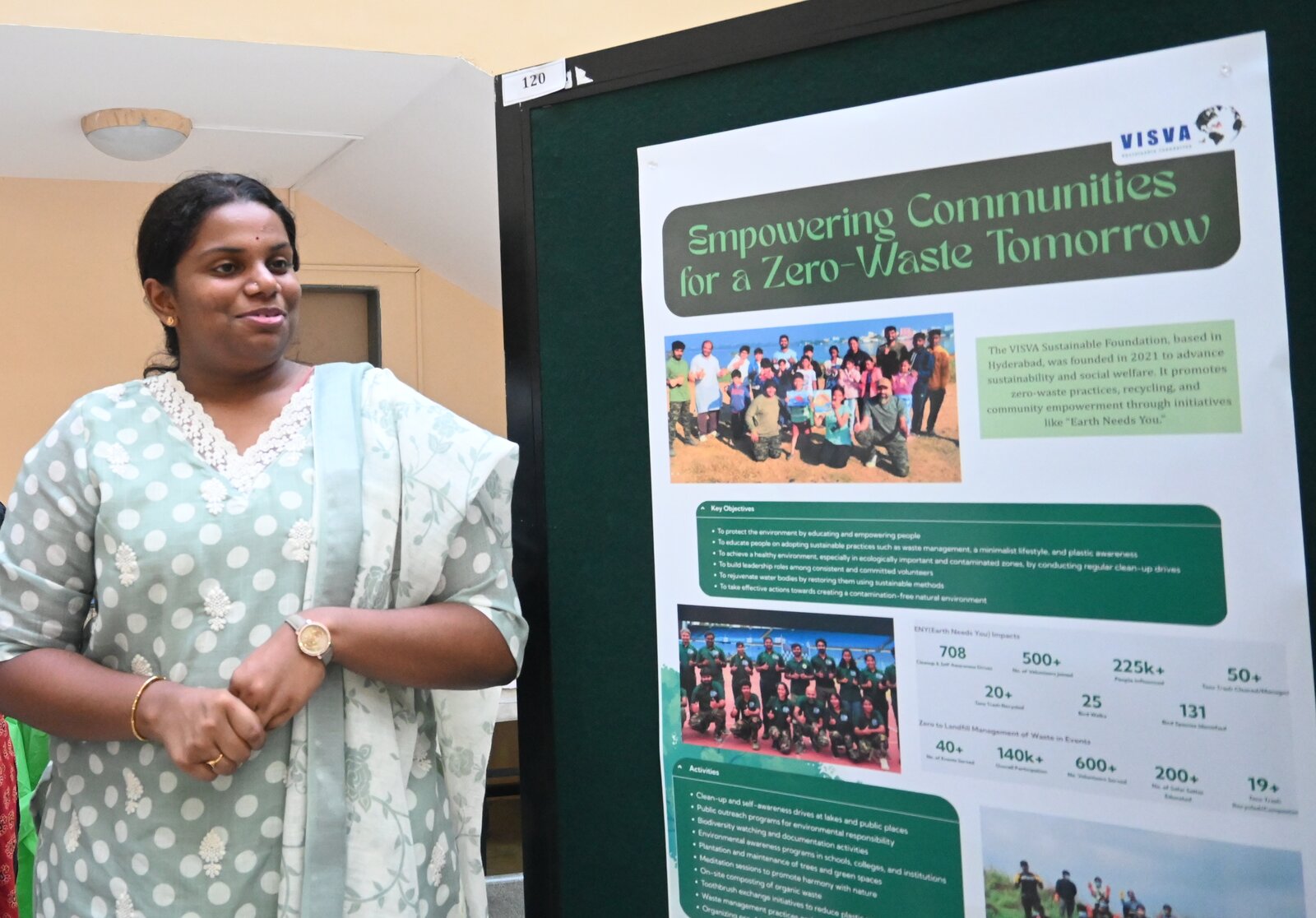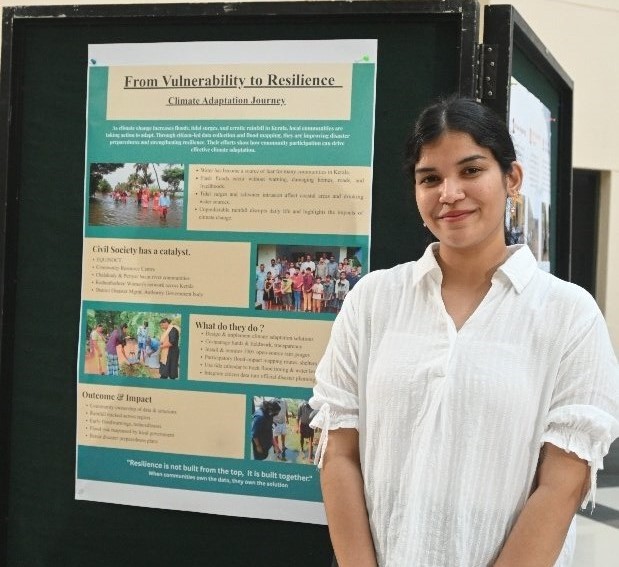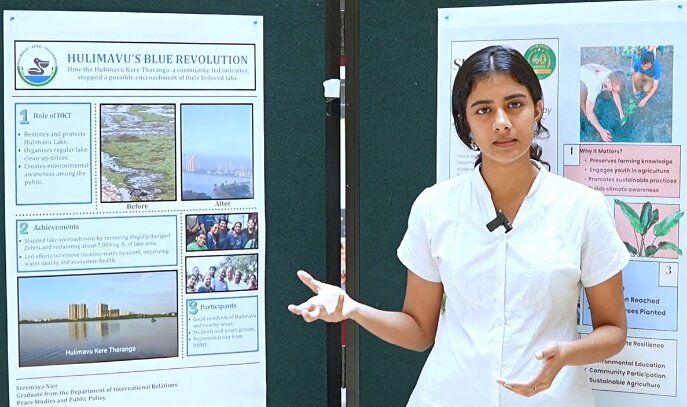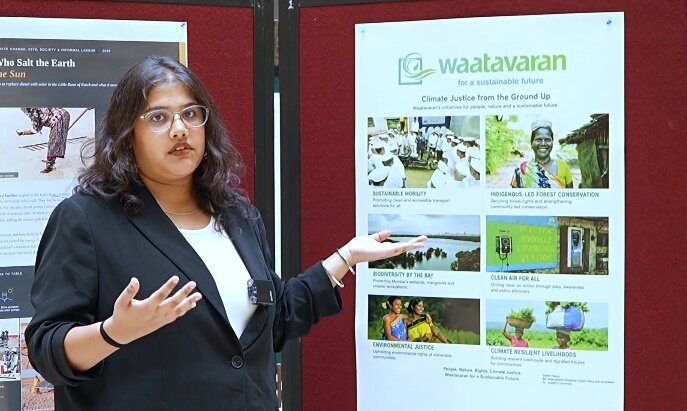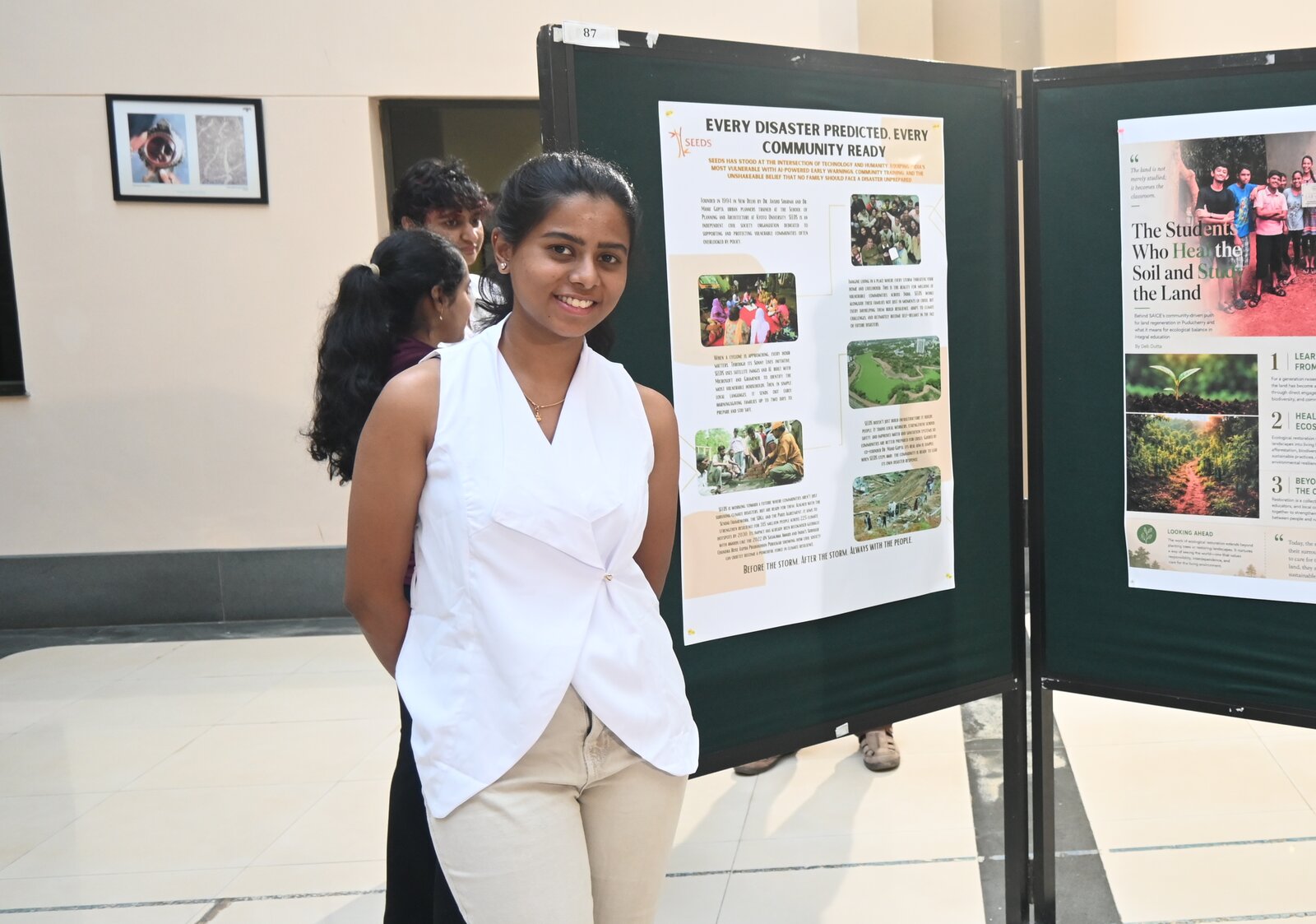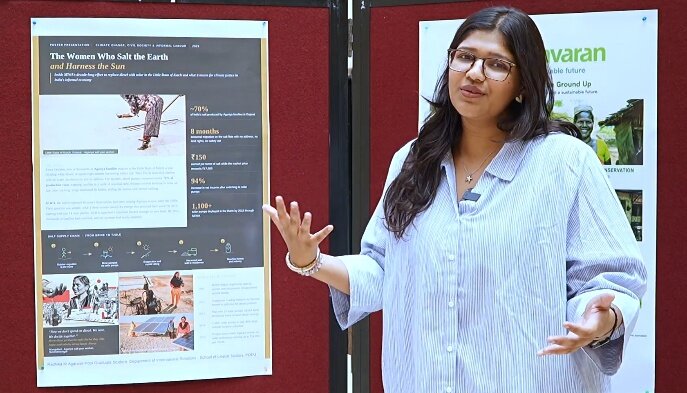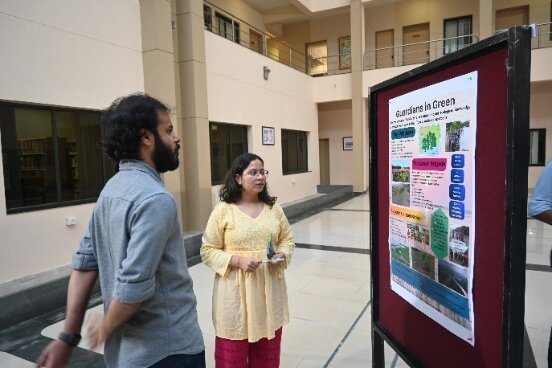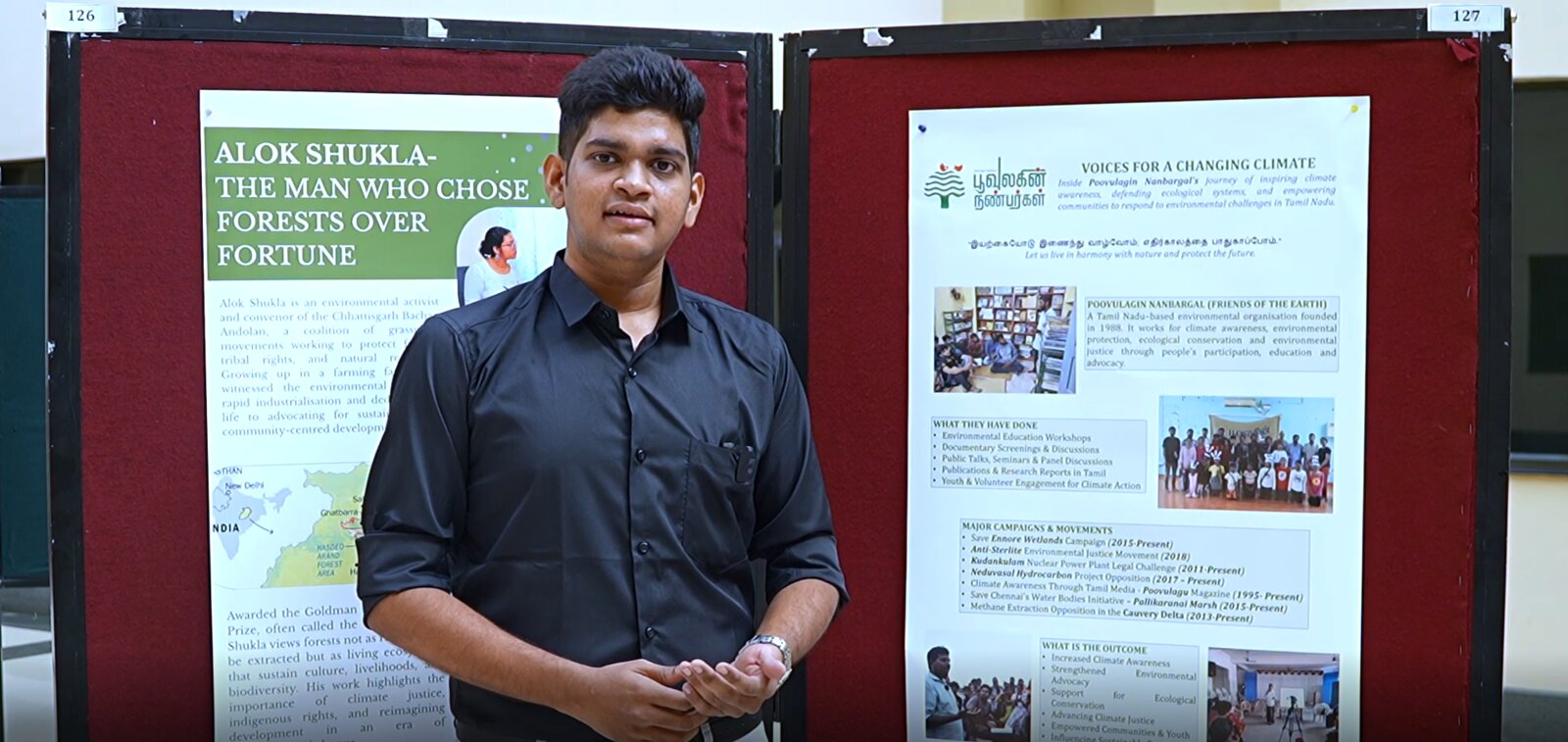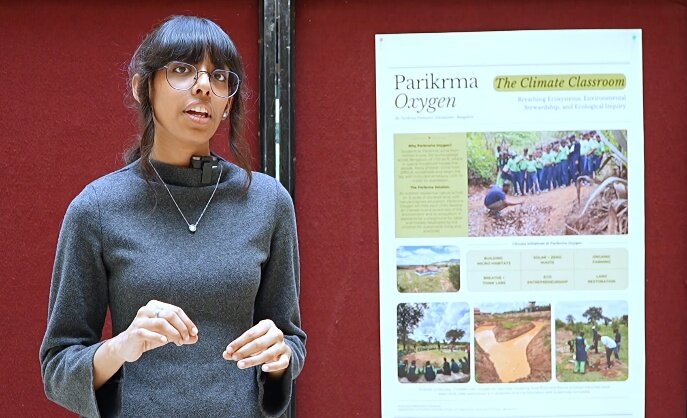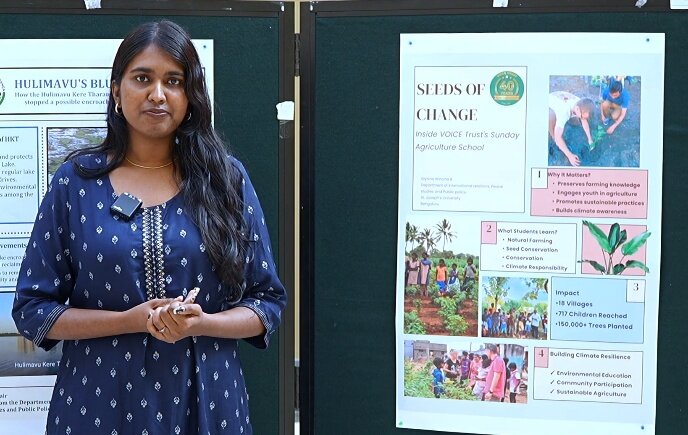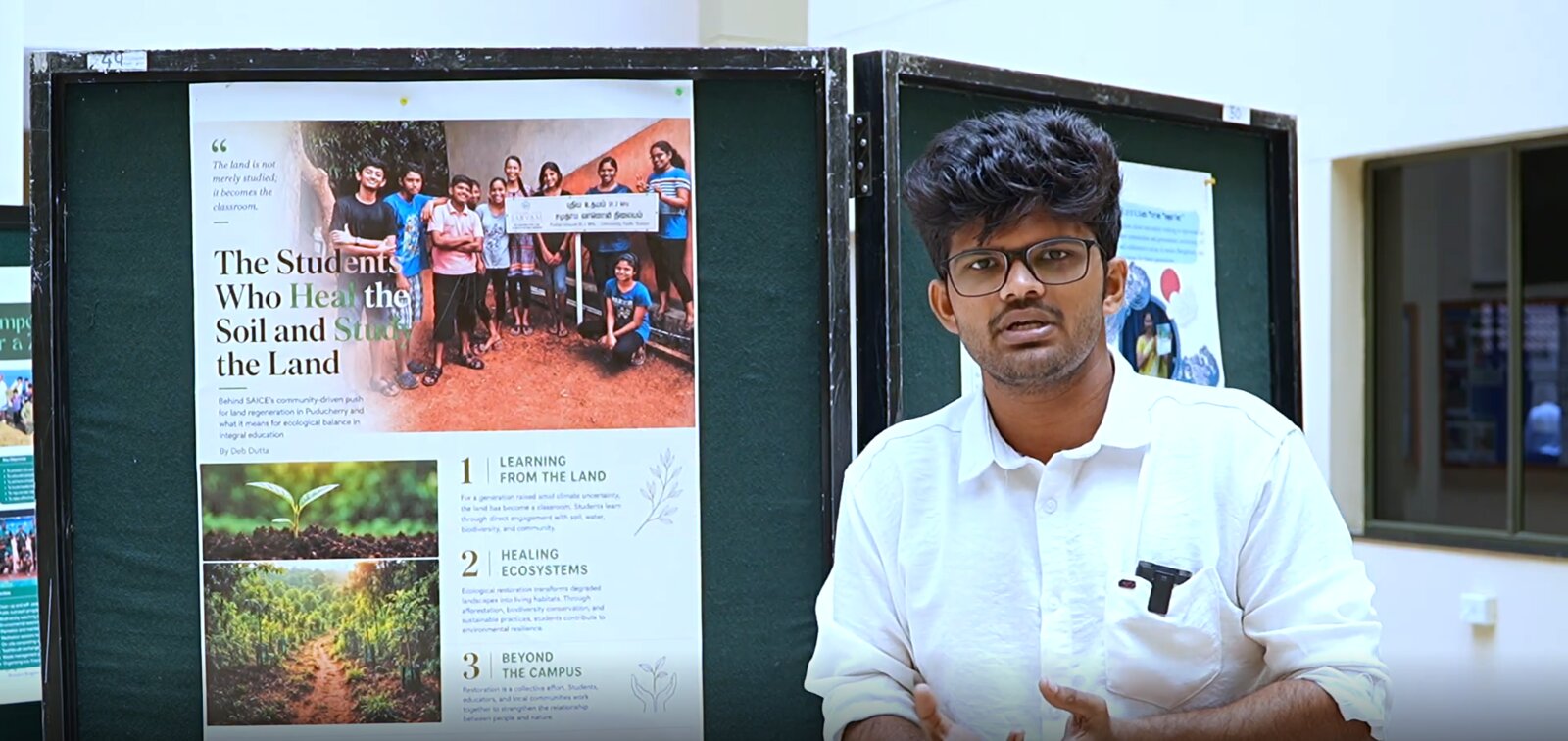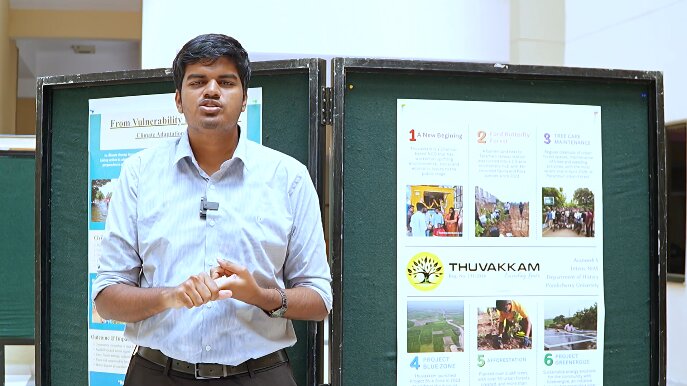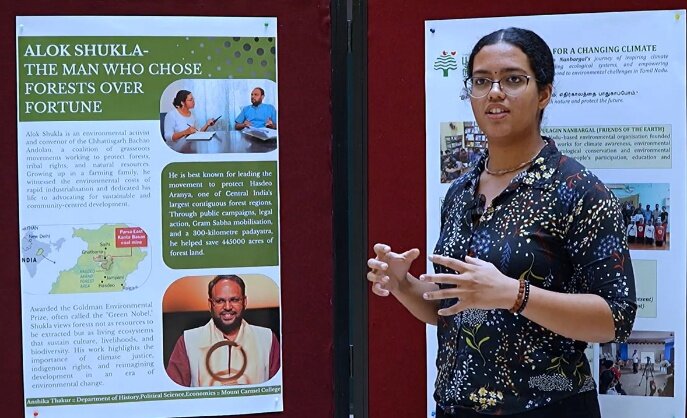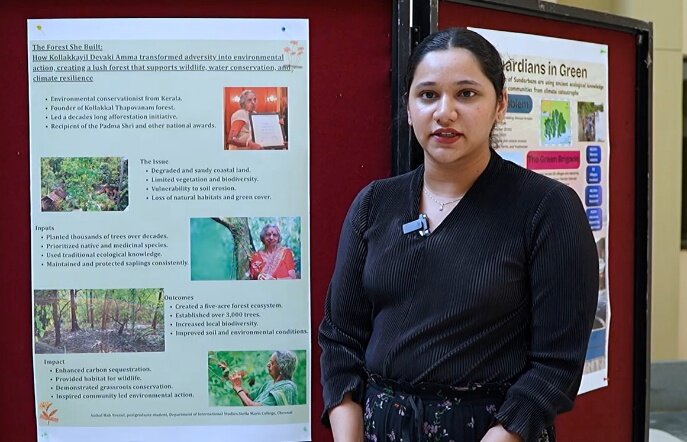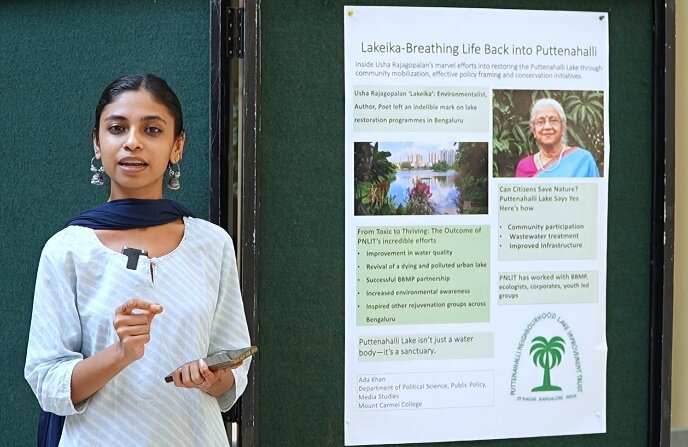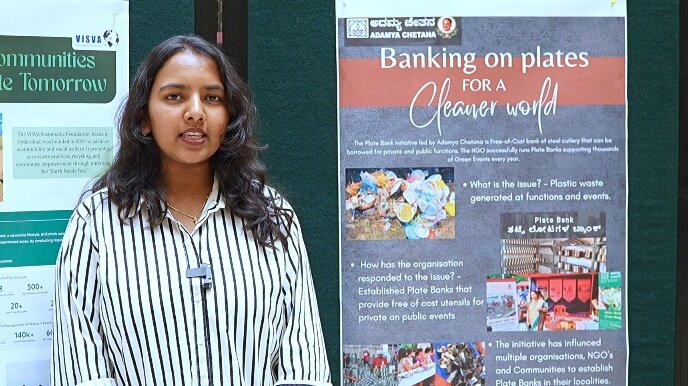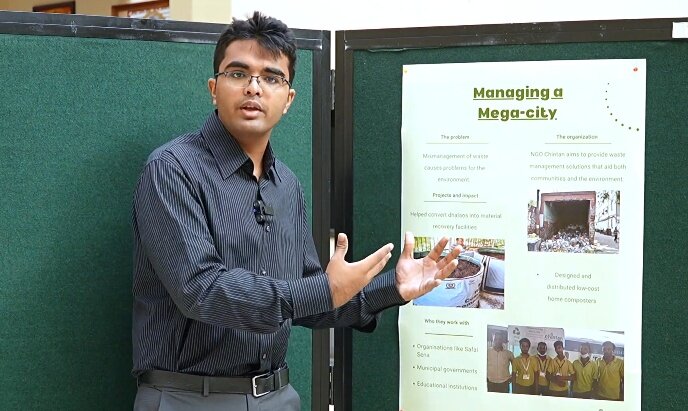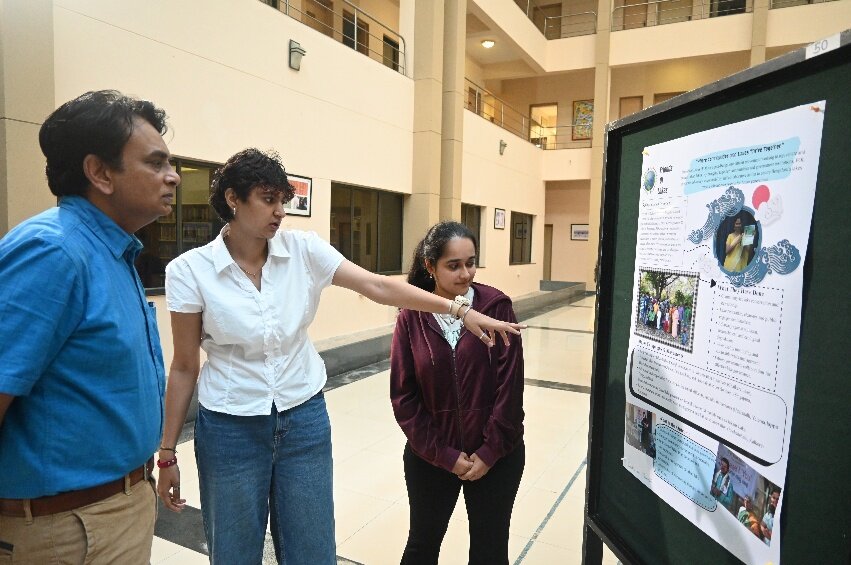
Namrata L Ghanghatkar As part of the NIAS Climate Change, Civil Society and Peace (C3SP) initiative in collaboration with GPPAC South Asia, the inaugural workshop of 'The Grass Roots,' the NIAS Youth Network on Climate Change, Civil Society and Peace, was held on 03 June 2026 at the National Institute of Advanced Studies (NIAS), Bengaluru. During the workshop, young scholars from institutions across India examined the role of civil society organisations (CSOs) in responding to climate change through a poster presentation exercise. As part of this initiative, Namrata L. Ghanghatkar, a postgraduate student in the Department of Public Policy at Ramaiah University of Applied Sciences, Bengaluru, documented the work of Friends of Lakes and its co-founder, Madhuri Subbarao.
This note examines how Friends of Lakes has mobilised citizens, communities, and public institutions to conserve Bengaluru's rapidly disappearing lake ecosystems. It highlights how community-led stewardship of urban water bodies can strengthen biodiversity conservation, improve water security, enhance groundwater recharge, and build climate resilience in one of India's fastest-growing metropolitan cities.
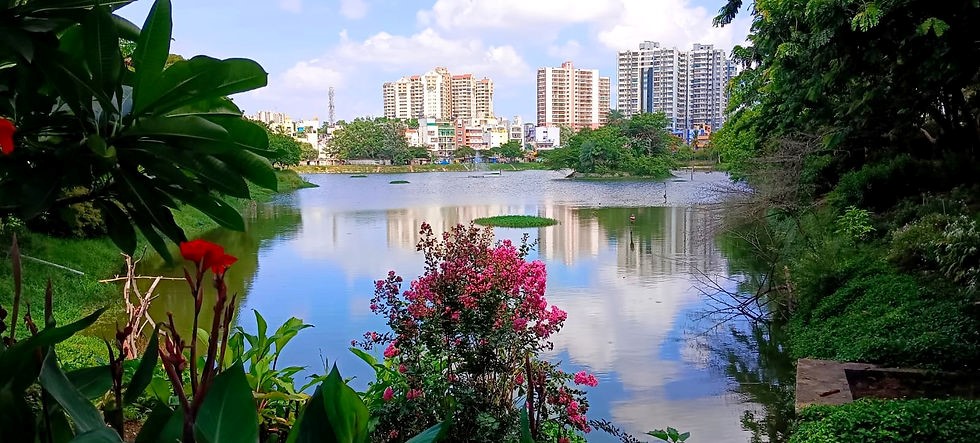
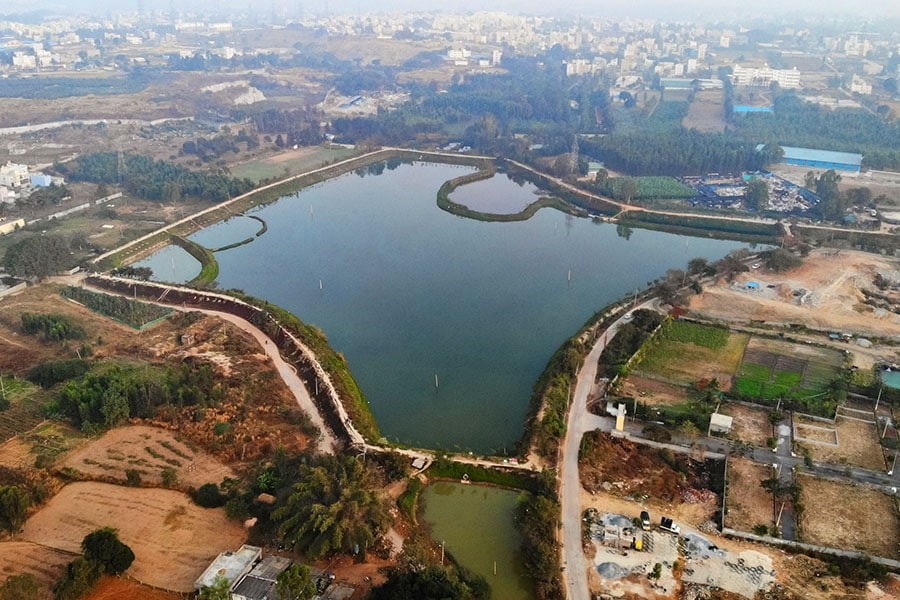
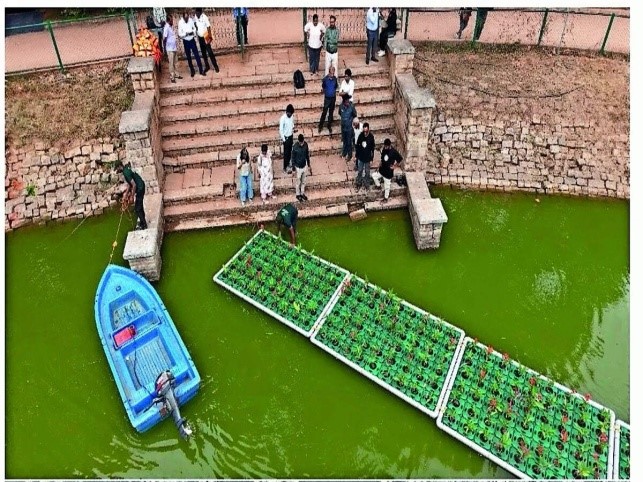
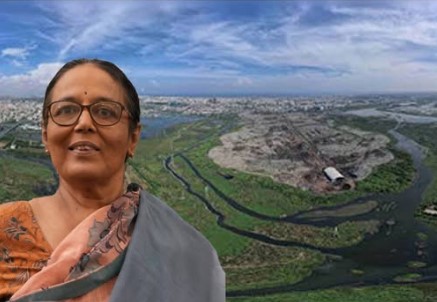
Madhuri Subbarao is an environmentalist, sustainability researcher and the co-founder of Friends of Lakes (FOL), a citizen led lake conservation network based in Bengaluru. With over two decades of experience in environmental management and sustainability, she witnessed the city's lakes gradually disappear under the pressures of rapid urbanisation, pollution and encroachment. Recognising that protecting Bengaluru's water bodies would require more than government intervention alone, she helped establish Friends of Lakes to bring citizens, communities and institutions together in the conservation of urban lakes. Over the years, the network has grown into one of the world's largest voluntary lake conservation movements, driven by the belief that communities must play an active role in protecting the ecosystems around them. Bengaluru was once sustained by a network of interconnected lakes that supported groundwater recharge, biodiversity and water security. However, decades of unplanned development and untreated sewage have left many of these water bodies severely degraded. Through Friends of Lakes, Madhuri has worked to mobilise citizens across the city to become custodians of their local lakes. The network has supported conservation efforts across more than twenty lakes in Bengaluru, including initiatives around Yele Mallappa Shetty Lake, Jakkur Lake, Chalkere Lake, Hebbal Lake and Rachenahalli Lake. Its work includes raising awareness about lake pollution, advocating against encroachments, promoting community participation in lake management and encouraging dialogue between citizens and government agencies. Through workshops, campaigns, lake walks and public engagement programmes, Friends of Lakes has created a platform where residents can actively participate in protecting the city's water bodies.
These efforts have helped strengthen public awareness around Bengaluru's growing water crisis and the importance of preserving urban lake ecosystems. By encouraging citizens to engage with environmental issues at the local level, Friends of Lakes has contributed to greater community stewardship of lakes and wetlands across the city. The movement has also highlighted the role of lakes in groundwater recharge, biodiversity conservation and climate resilience. Through community driven conservation, Madhuri Subbarao's work demonstrates how collective action can help safeguard urban ecosystems and secure a more sustainable water future for Bengaluru.