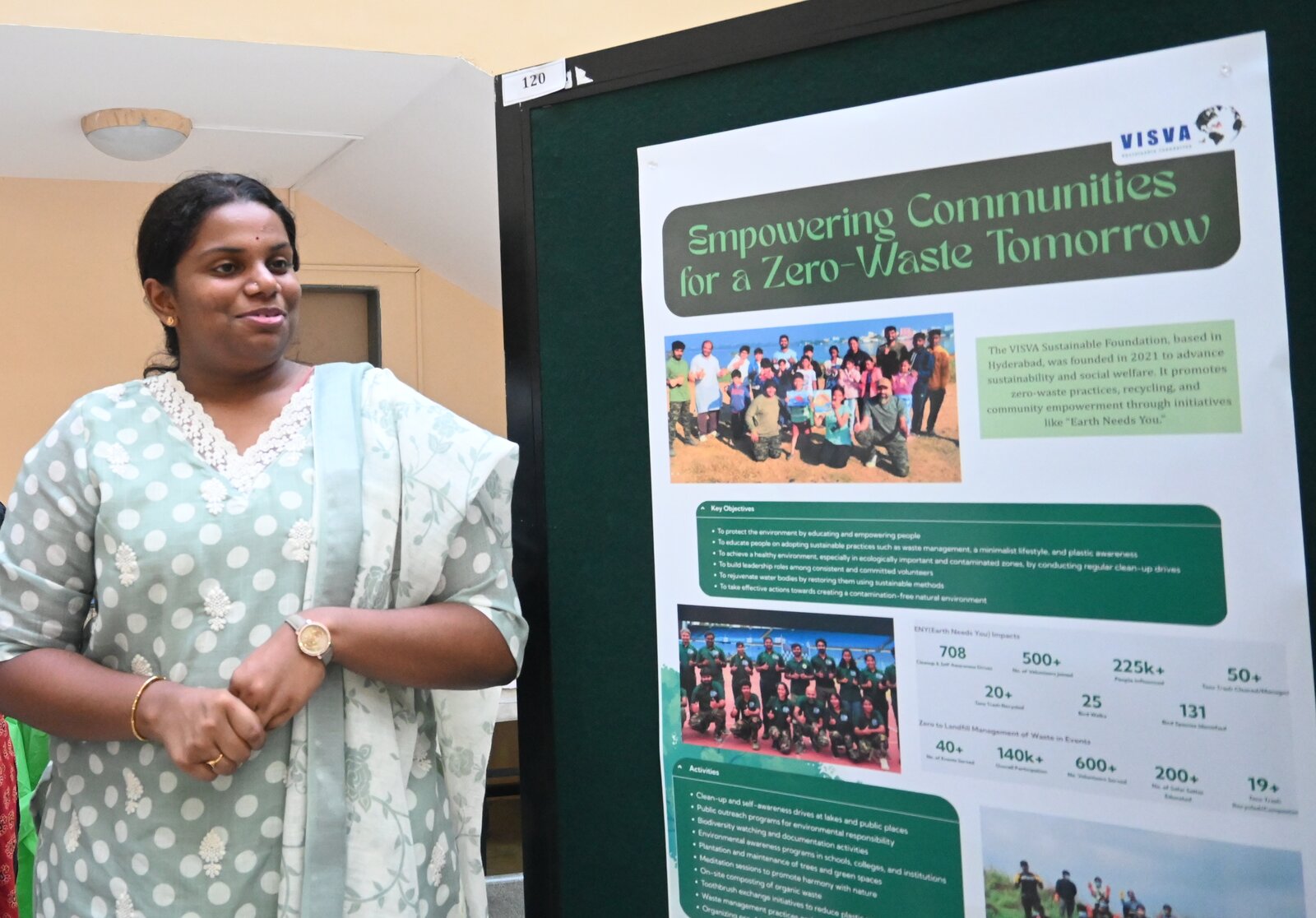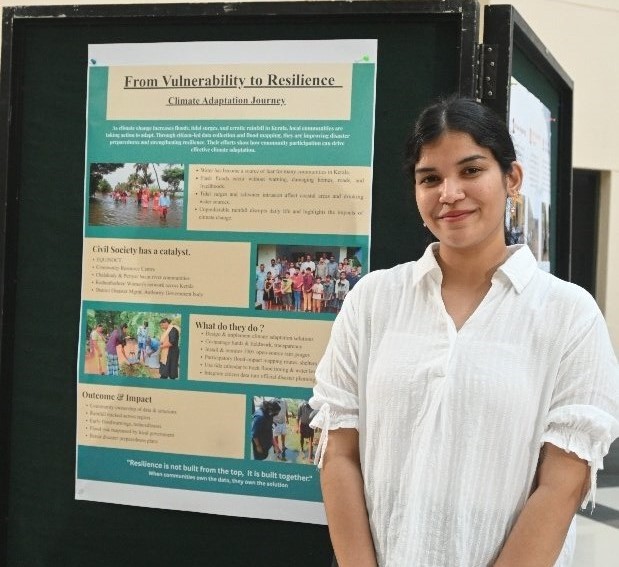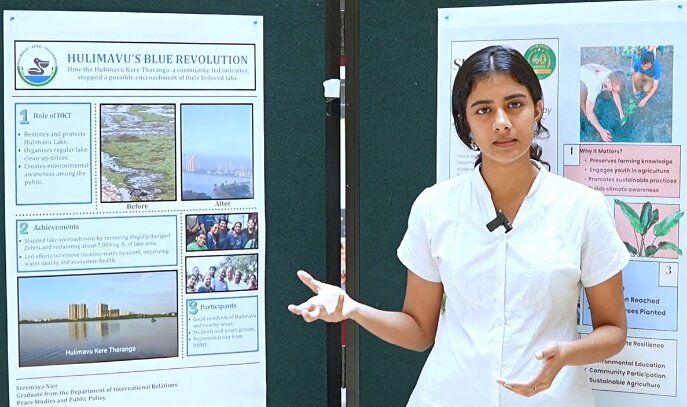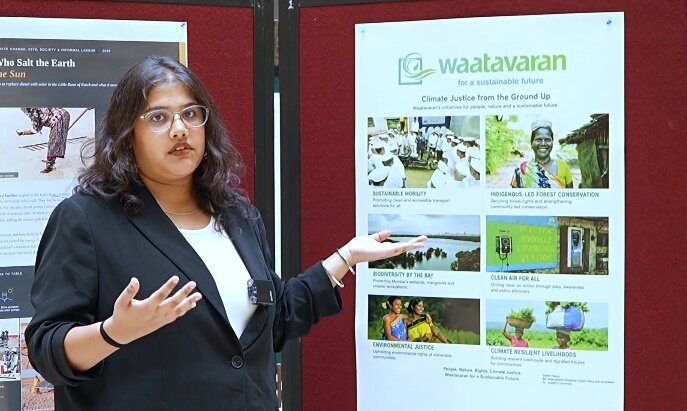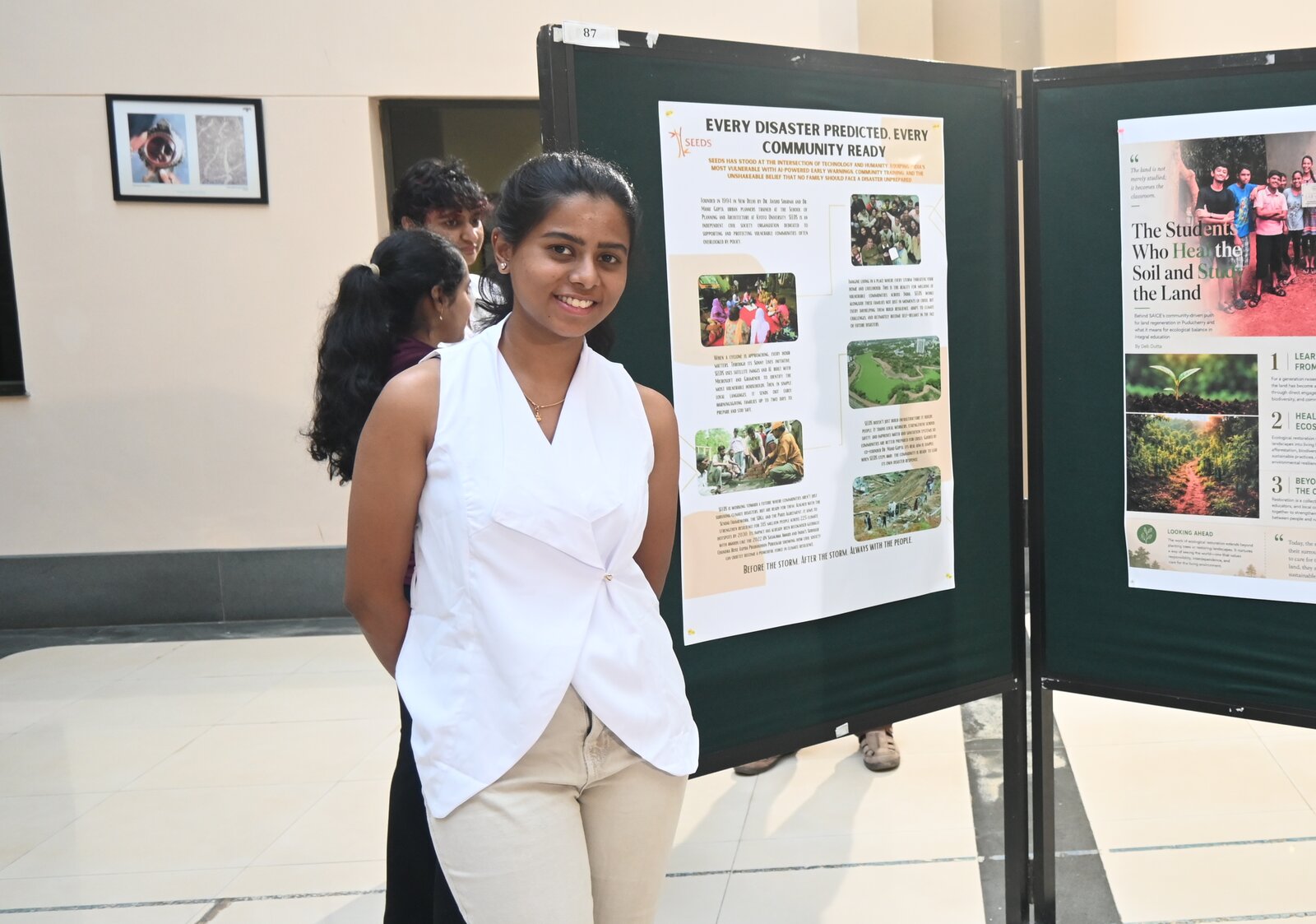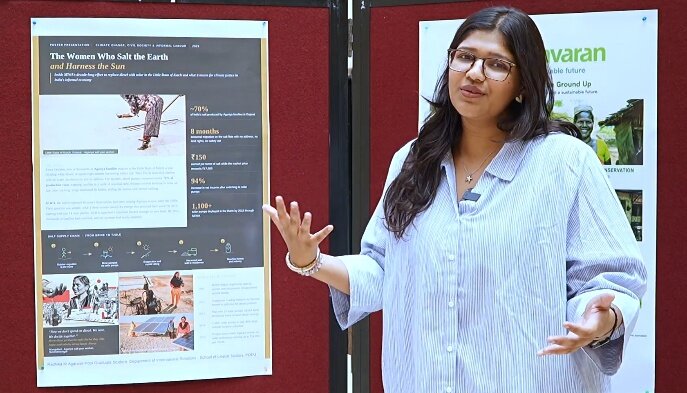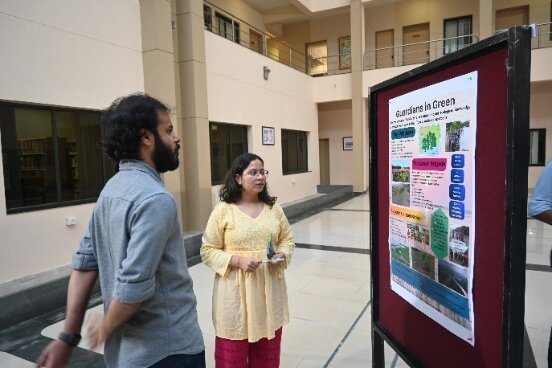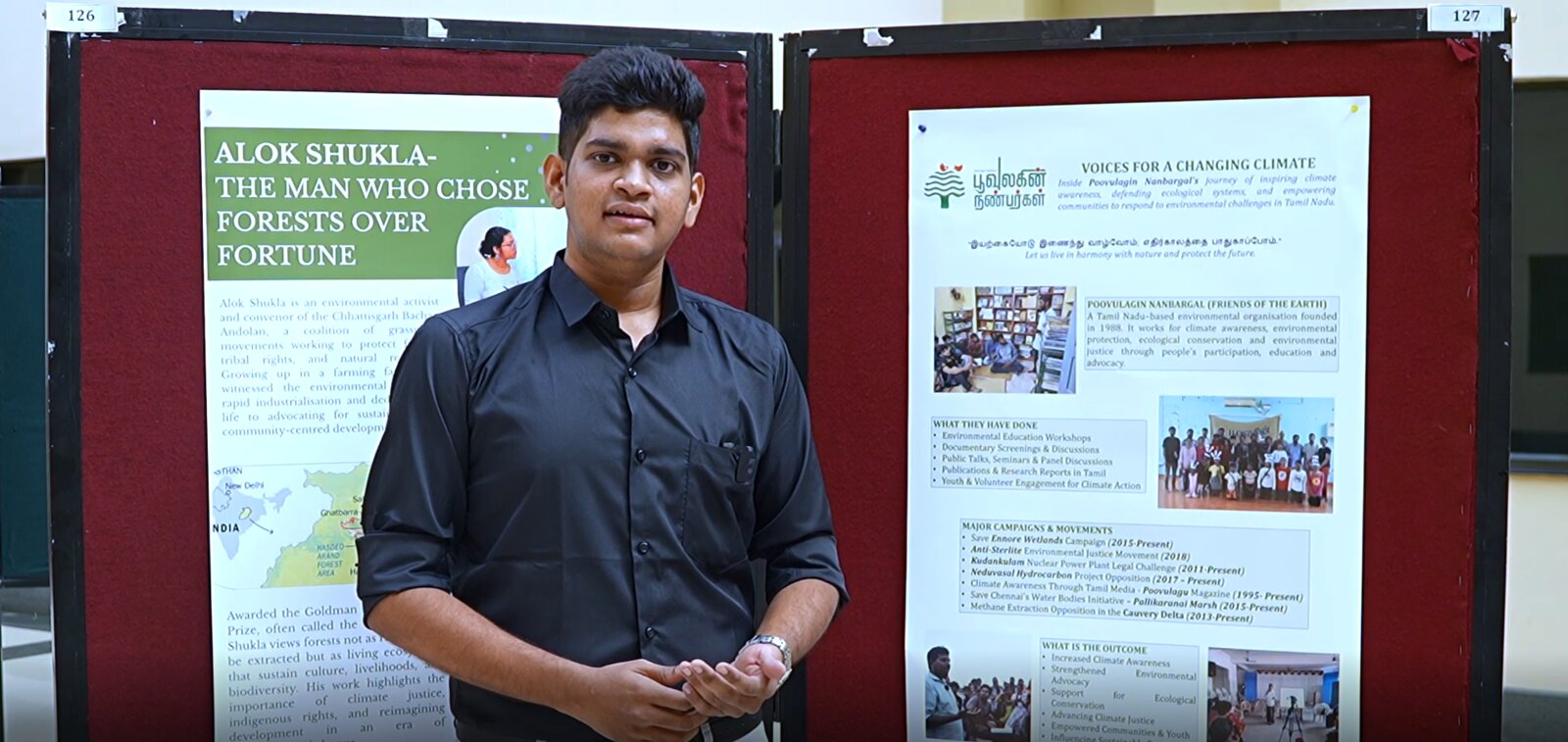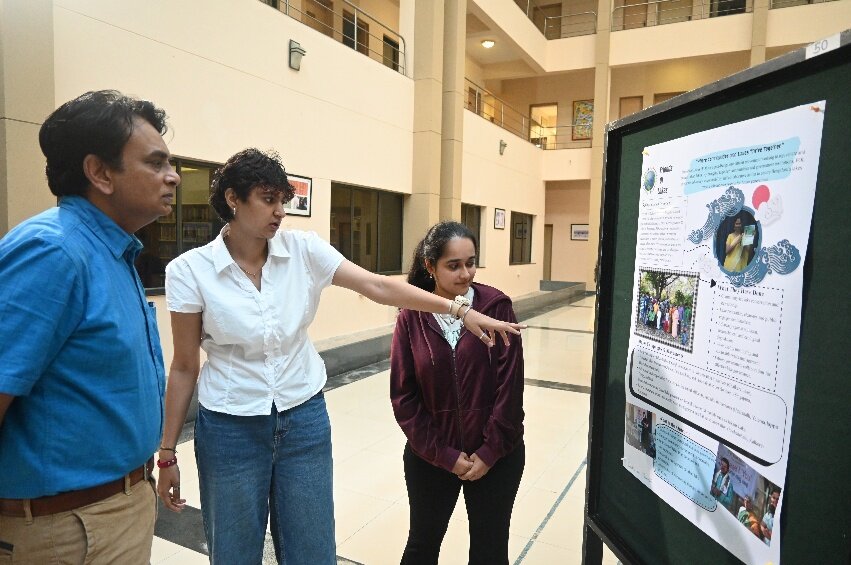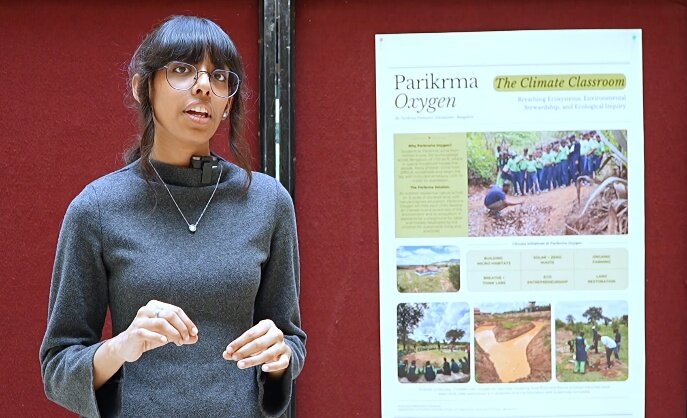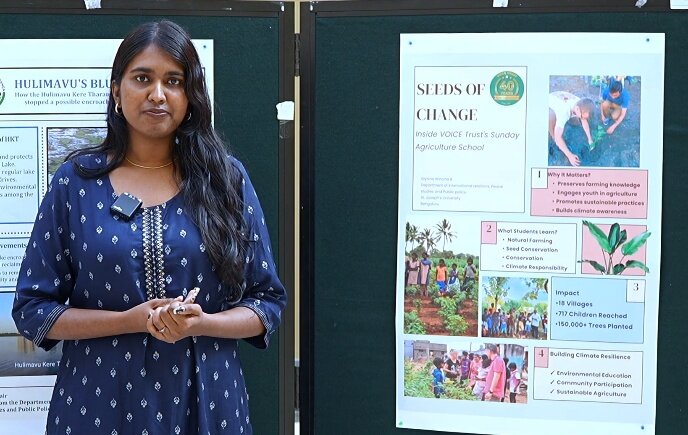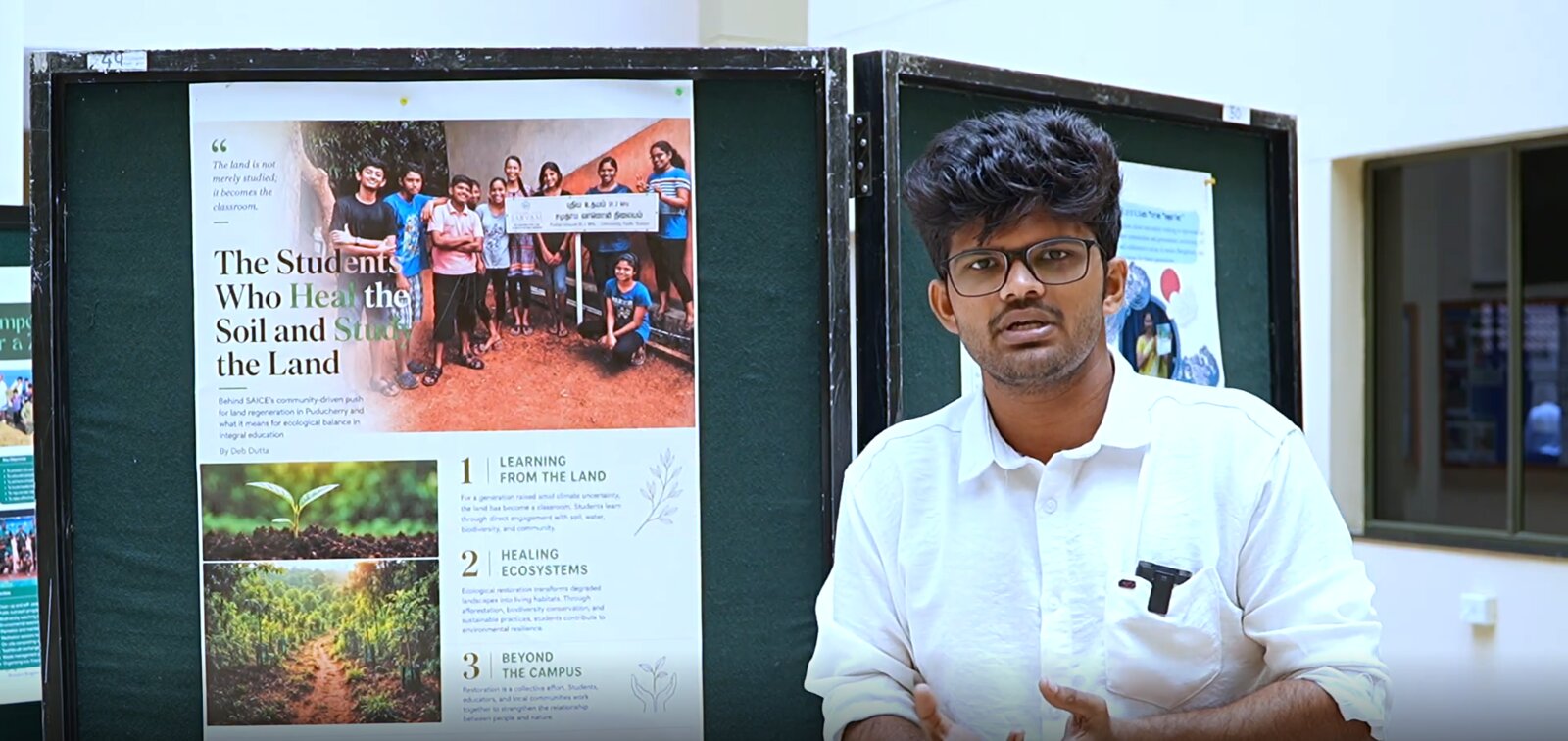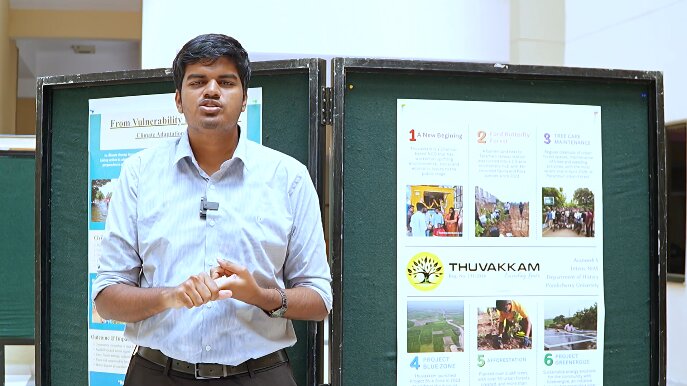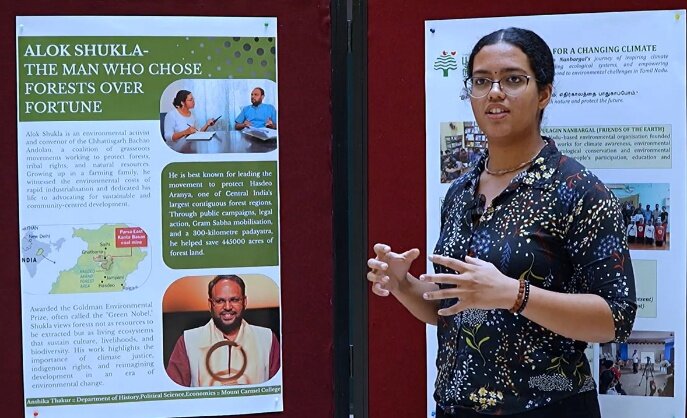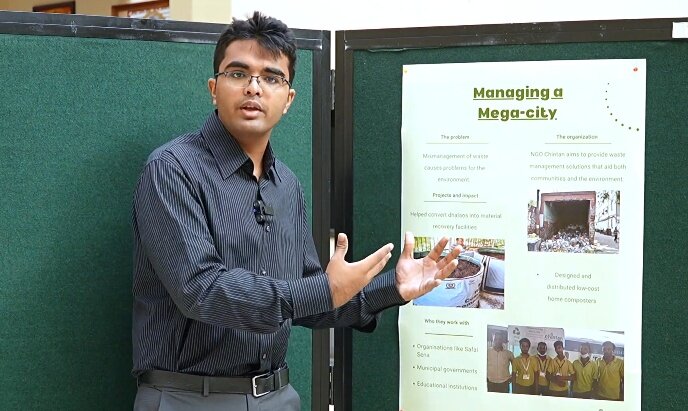
As part of the NIAS Climate Change, Civil Society and Peace (C3SP) initiative in collaboration with GPPAC South Asia, the inaugural workshop of 'The Grass Roots,' the NIAS Youth Network on Climate Change, Civil Society and Peace, was held on 03 June 2026 at the National Institute of Advanced Studies (NIAS), Bengaluru. During the workshop, young scholars from institutions across India examined the role of civil society organisations (CSOs) in responding to climate change through a poster presentation exercise. As part of this initiative, Aarav Bhaskar, a student at the American Embassy School, New Delhi, documented the work of the Chintan Environmental Research and Action Group.
This note examines how Chintan has addressed the environmental and social impacts of unsustainable waste management in the Delhi National Capital Region (NCR) through community-based waste management, recycling, composting, and urban heat adaptation initiatives. It also highlights how local environmental action can simultaneously reduce greenhouse gas emissions, strengthen climate resilience, and improve the well-being of vulnerable communities in rapidly urbanising cities.
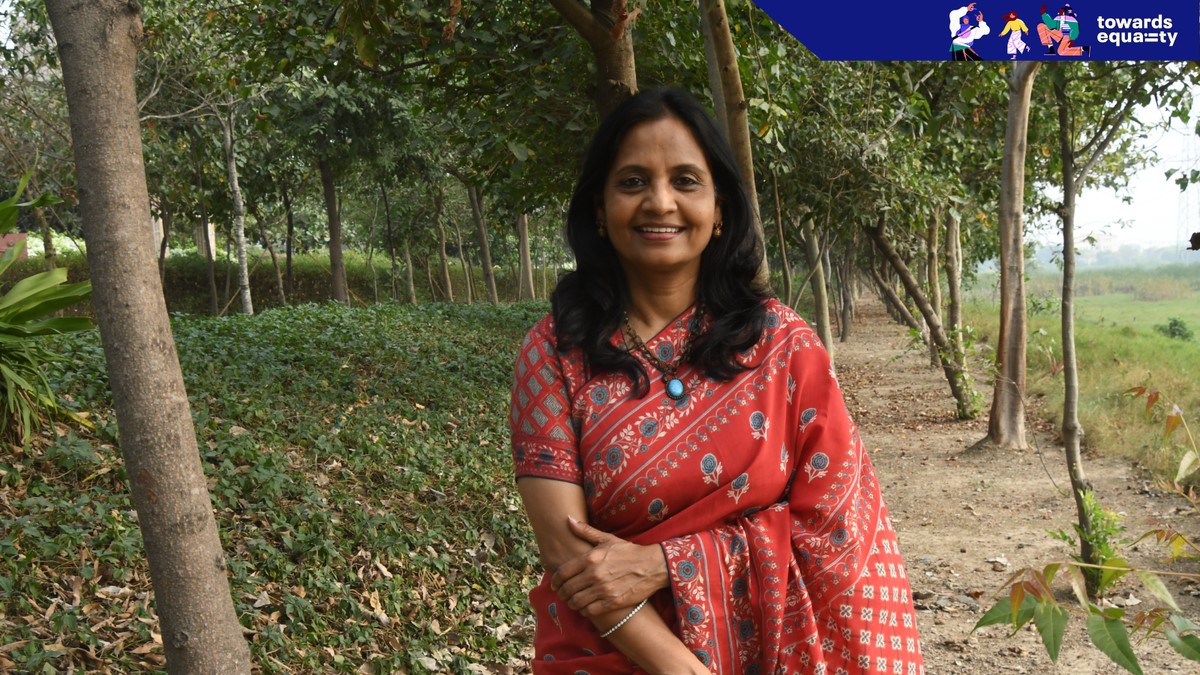
Chintan Environmental Research & Action Group, founded in 1999 by activist Bharti Chaturvedi, aims to promote sustainable consumption and environmental consciousness in the NCR region through workshops, advocacy and hands-on projects. In recent times, the rapidly modernising Delhi faces unsustainable waste management, driven by an overburdening of the systems that aim to keep Delhi's environment clean and sustainable. Mismanagement of waste has led to increased air pollution and, in particular, increased emissions of toxic greenhouse gases, such as Methane. In recent years, Delhi's numerous dump sites have faced challenges with leaks and concerns about their sustainability. It is in this context that Chintan has focused their efforts on tackling emissions in Delhi and their adverse effects on the population.
Firstly, to support recycling infrastructure in Delhi, Chintan has collaborated with the New Delhi Municipal Council, aiming to convert at least 8 Dhalaos (informal waste dumps) into Material Recovery Facilities, aiding the preparation of reusable materials for manufacturing. These Dhalaos would otherwise pose environmental issues, including liquid runoff, soil contamination, and a lack of garbage segregation, further complicating recycling and overburdening landfills. They thereby increase greenhouse gas emissions.
Second, Chintan has designed cost-efficient rotating composters for household use. Through composting, wet waste can be used as nutrition for soil. This prevents waste from diverting to landfills, where deprivation of oxygen would emit greenhouse gases and take up space in already crowded landfills. Its cost-effectiveness also ensures its proliferation throughout communities that are most adversely affected by climate change, creating a positive bidirectional relationship.
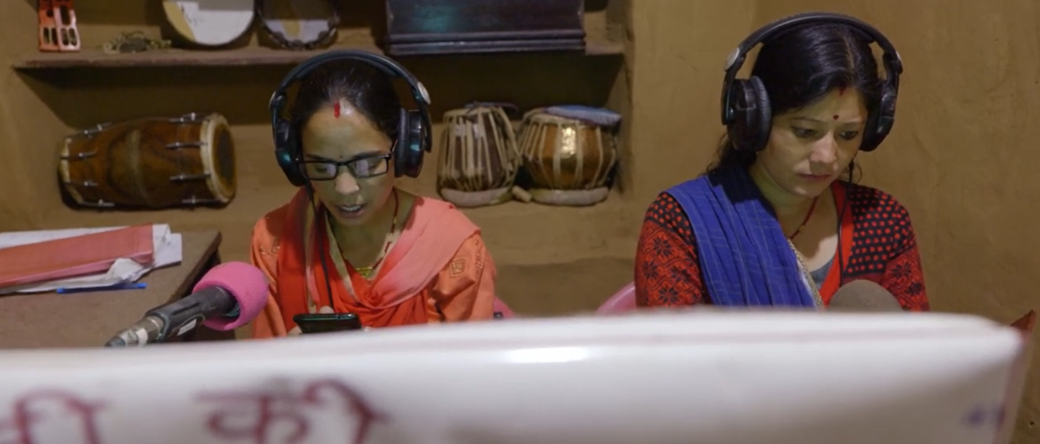
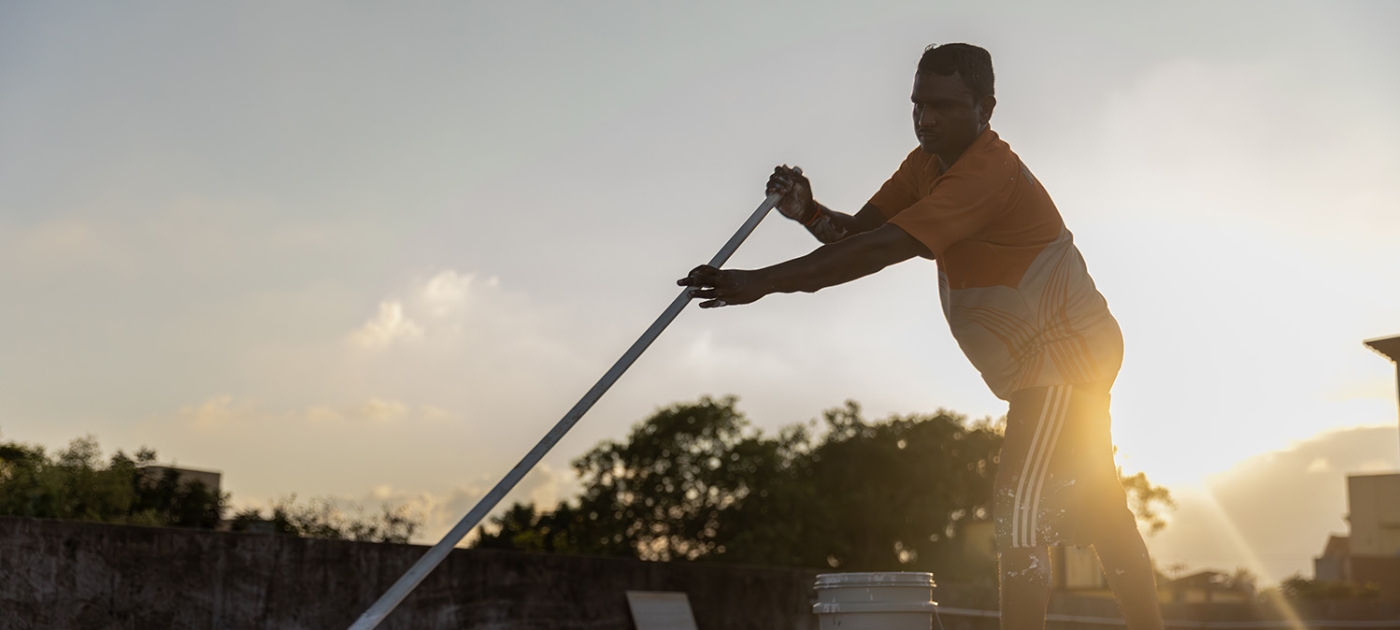
While Chintan focused on initiatives to reduce greenhouse gas emissions, they also aimed to reduce the adverse effects of climate change in Delhi by combating urban heat and its disproportionate effects on those without proper housing. To mitigate global warming's effect on vulnerable populations, Chintan has retrofitted slums with accessible materials like bamboo and reflective white paint to cool down residents, working with locals to emphasise the importance and involvement of the affected community in the decision-making process. To ensure communities are equipped to manage the heat, Chintan trained local women (Climate Sakhis) to monitor weather and temperature by installing machinery in their neighbourhoods and warning the community when necessary.
Chintan's work impacted the NCR's environment in numerous positive ways. By fostering understanding in communities around climate change, providing climate relief through targeted retrofitting, introducing accessible sustainable practices such as composting to households, and helping them formalise and innovate waste disposal around the city, Chintan has helped mitigate the adverse effects of emissions, as well as helped reduce them in a time where the NCR is becoming increasingly metropolitan and high-consumption.