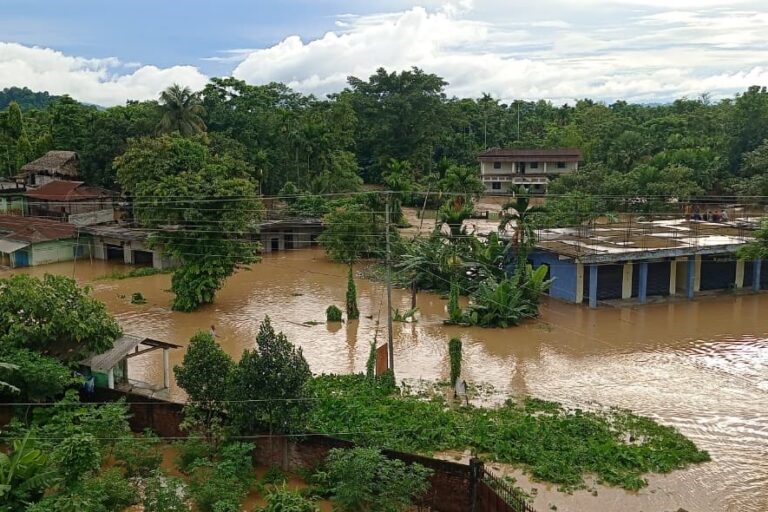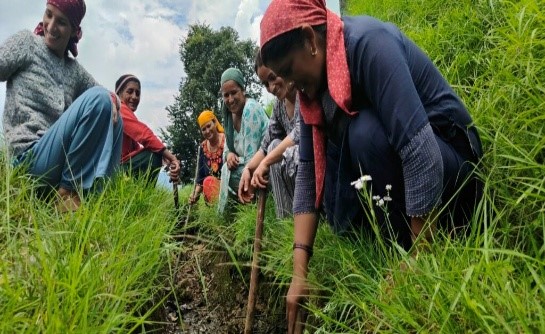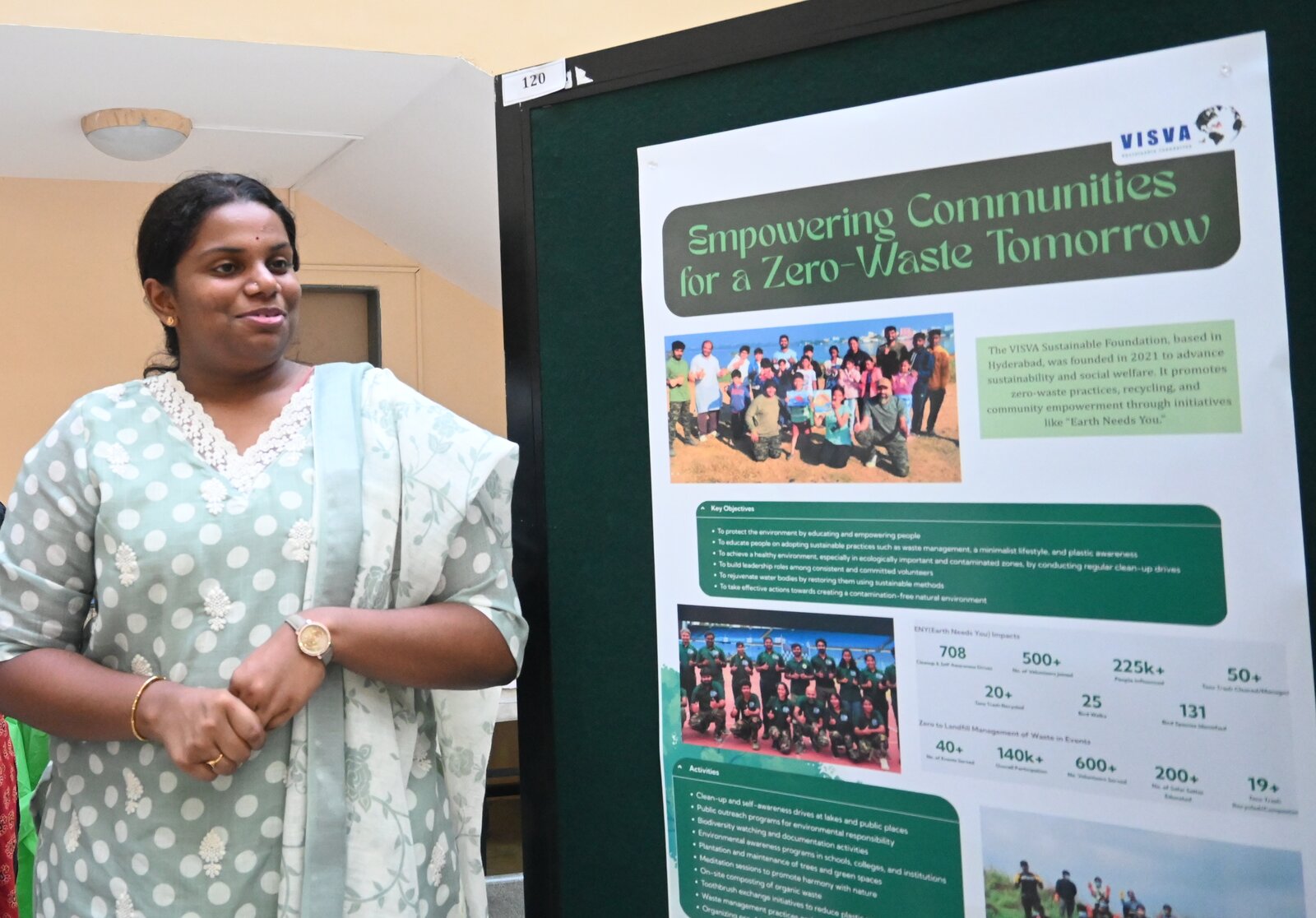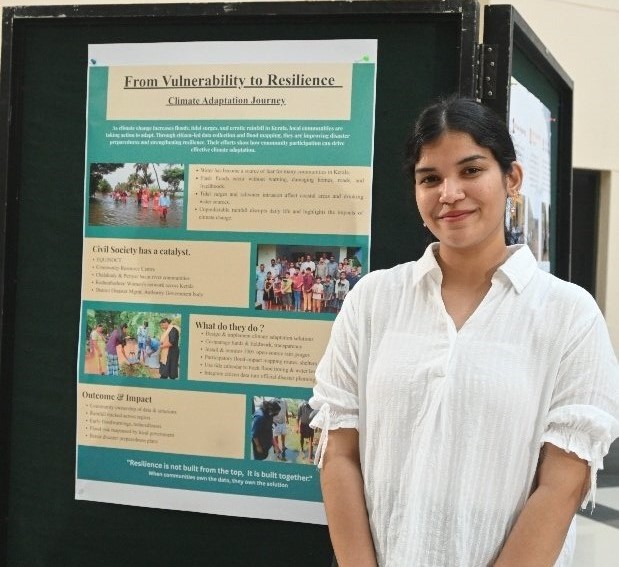
Bangladesh is a country where climate change is not a distant possibility but a lived reality. Its low-lying geography and dense population expose communities to floods, cyclones, river erosion, salinity intrusion, sea-level rise and changing rainfall patterns. For families whose lives depend on agriculture, fishing, water and other climate-sensitive livelihoods, an environmental shock can quickly become an economic and social crisis. In this landscape, the work of civil society becomes especially important. BRAC offers an example of how development and climate adaptation can come together through communities.
BRAC was founded in 1972 by Sir Fazle Hasan Abed, soon after the independence of Bangladesh. It began as a relief and rehabilitation organisation, responding to the urgent needs of people affected by the Liberation War. However, its work gradually moved beyond immediate relief. BRAC began addressing the deeper causes of poverty through programmes in education, health, agriculture, finance and livelihoods. This evolution shaped an approach based on working closely with communities and understanding the challenges they face.
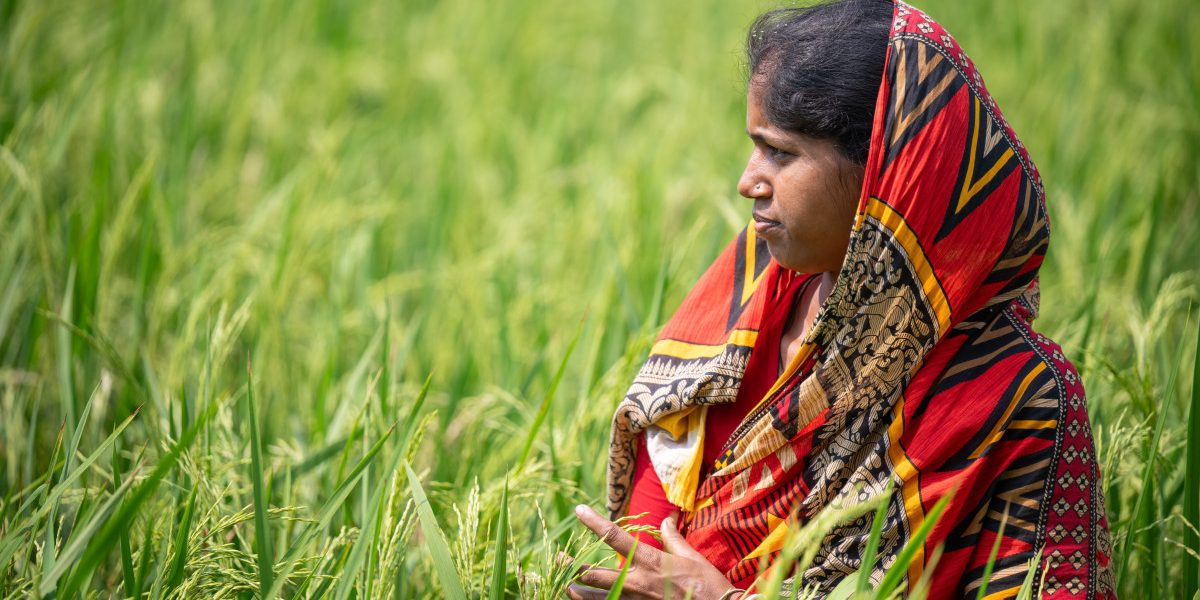
Climate change has added a new dimension to these challenges. A flood can destroy crops and homes; salinity can reduce the availability of fresh water and affect agricultural land; cyclones can threaten lives and livelihoods. These impacts are not experienced equally. Poor and marginalised households often have fewer resources to recover and may depend heavily on climate-sensitive occupations. Therefore, climate adaptation must also be about protecting livelihoods, reducing inequality and strengthening people's ability to make decisions about their future.
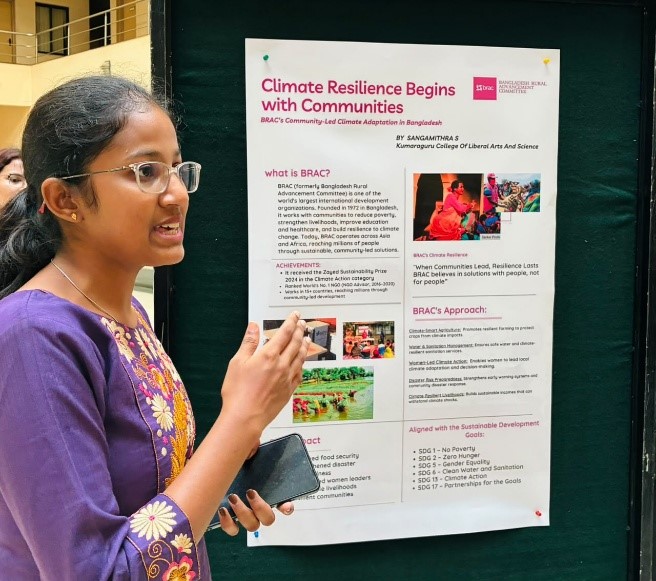
BRAC's climate-resilience work reflects this broader understanding. One important area is climate-smart agriculture. Farmers can be supported in adapting their practices to changing weather conditions, water availability and soil conditions. Such approaches can help protect food production while reducing vulnerability to climate shocks. Water and sanitation are another crucial area. Flooding, salinity and other climate pressures can affect access to safe water and sanitation, making resilient systems essential for both health and dignity.
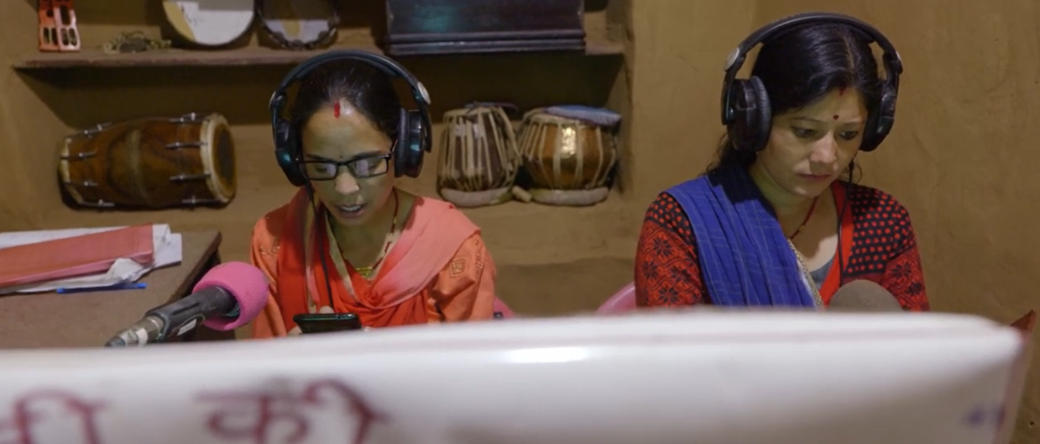
Women are also central to community resilience. Women often play important roles in managing household food, water, health and finances, while also facing particular vulnerabilities during climate-related disasters. Supporting women through skills, livelihoods, participation and leadership can strengthen household and community capacity. Women are not simply recipients of climate assistance; they can become active decision-makers and leaders in local adaptation.
Disaster preparedness is another key part of resilience. Communities need information and time to act before cyclones, floods and other hazards occur. Awareness, early-warning systems, evacuation planning and local response networks can reduce risks and help people protect lives and essential assets. Preparedness turns climate information into practical action at the local level.
Climate-resilient livelihoods are equally important. If a household depends entirely on one climate-sensitive source of income, a single disaster can have long-lasting consequences. Diversifying livelihoods, improving skills and creating more sustainable economic opportunities can give families greater capacity to withstand shocks and recover.
What makes the BRAC example significant is the emphasis on people rather than treating them only as beneficiaries. Local communities possess knowledge about their environment, risks and everyday realities. Scientific information, data and technology can strengthen this knowledge by helping identify hazards, understand changing patterns and support early warnings. But information becomes meaningful only when people can use it. Community participation can therefore connect scientific knowledge with practical solutions.
BRAC also demonstrates the wider role of civil society in climate action. Governments have a central responsibility for climate policy, infrastructure and disaster management, but civil society organisations can work directly with communities, build local capacity and help translate broad development goals into action. Partnerships among communities, governments, researchers and organisations are therefore essential. The BRAC story also reminds us that climate adaptation alone cannot solve climate change. Adaptation helps communities cope with impacts, while mitigation is needed to reduce greenhouse-gas emissions. Both are necessary. Likewise, community action cannot replace public policy or investment; it must complement them.
Ultimately, climate resilience is not only about stronger infrastructure. It is about stronger people, stronger livelihoods and stronger local networks. BRAC's journey from post-war relief and rehabilitation to community-centred development and climate adaptation illustrates this connection. Its experience shows that when local knowledge, scientific understanding, institutional support and community participation come together, adaptation can become more inclusive and sustainable.
Climate change is global, but resilience is built locally. The most effective solutions are not simply delivered to communities; they are developed with them. This is the central lesson of BRAC's work and the reason behind the title of this story: Climate Resilience Begins with Communities.
It also highlights an important principle of climate justice: those who contribute least to warming can face some of its consequences. Supporting vulnerable communities is not only a question of management. It is also a question of dignity, opportunity and fairness, ensuring that people have the resources and voice needed to shape their resilient future.
About the Author
Sangamithra S is an undergraduate student pursuing B.Sc. Data Science at Kumaraguru College of Liberal Arts and Science, Coimbatore, Tamil Nadu.