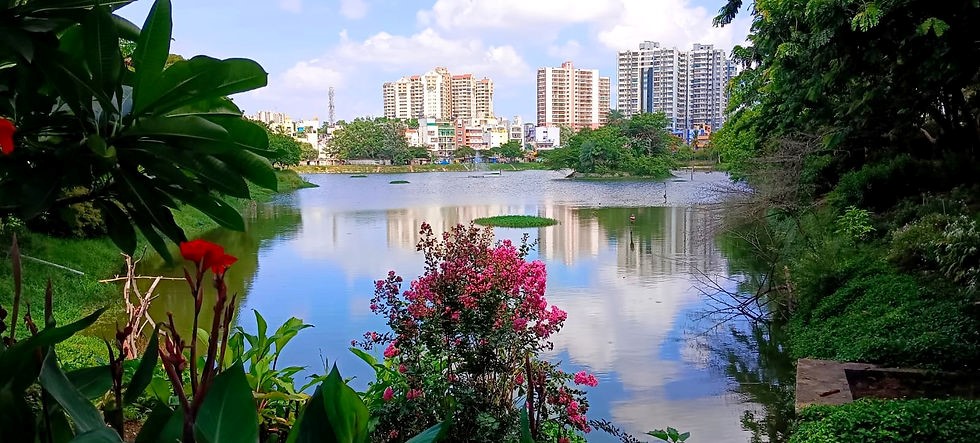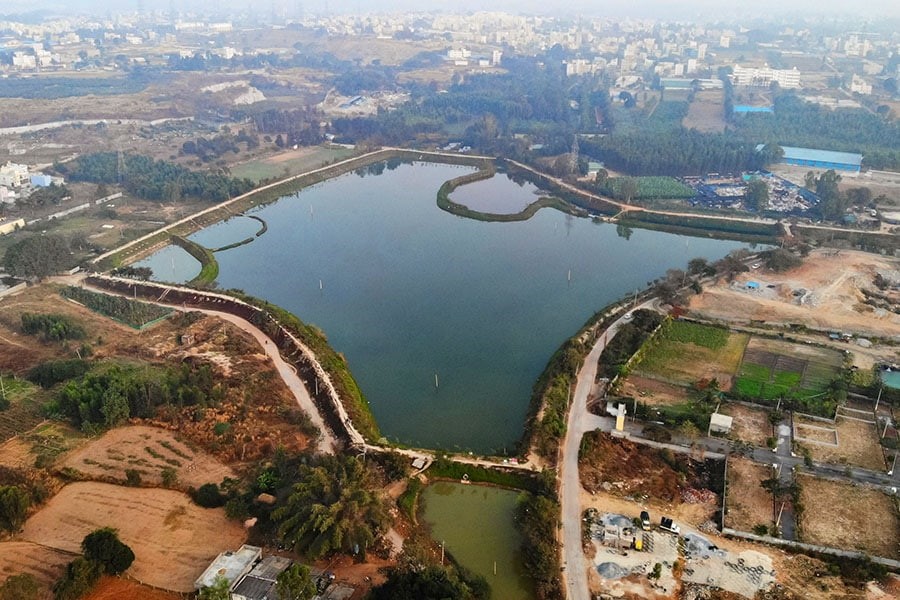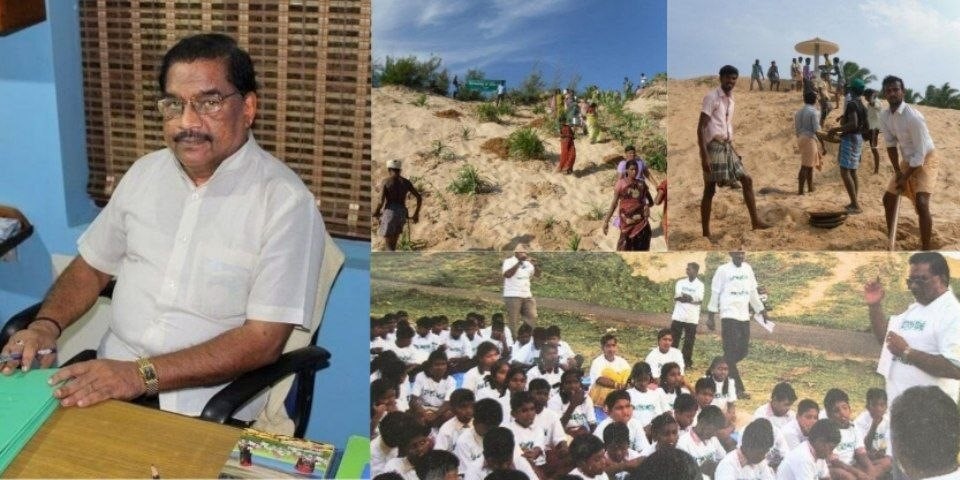
Sri Lanka has a “Dry Zone.” This area receives less rainfall and experiences pronounced dry periods. The Dry Zone covers 70 per cent of the land area in the country. Historically, the Dry Zone has used tanks and anicuts for water resource management. Tanks are reservoirs and anicuts divert water for irrigation. These units of infrastructure allow for the storage and diversion of water for use during dry periods. Janathakshan is an NPO “working to advance sustainable development, climate resilience, and social equity in Sri Lanka.” The organisation was founded in 2011. It works across disaster-risk reduction and climate action, economic and social resilience, and policy, partnerships and knowledge.
Janathakshan was one of the implementing partners for the Climate Resilient Integrated Water Management Project (CRIWMP). The project was designed to strengthen the resilience of Dry Zone smallholder farmers through integrated water management, including the restoration of traditional cascade systems. The project was implemented by the Government of Sri Lanka with technical support from UNDP and financing from the Green Climate Fund. The wider programme operated in seven Dry Zone districts. Janathakshan’s CRIWMP work was done in the districts of Anuradhapura and Trincomalee. In CRIWMP, Janathakshan coordinated community engagement in these two districts.
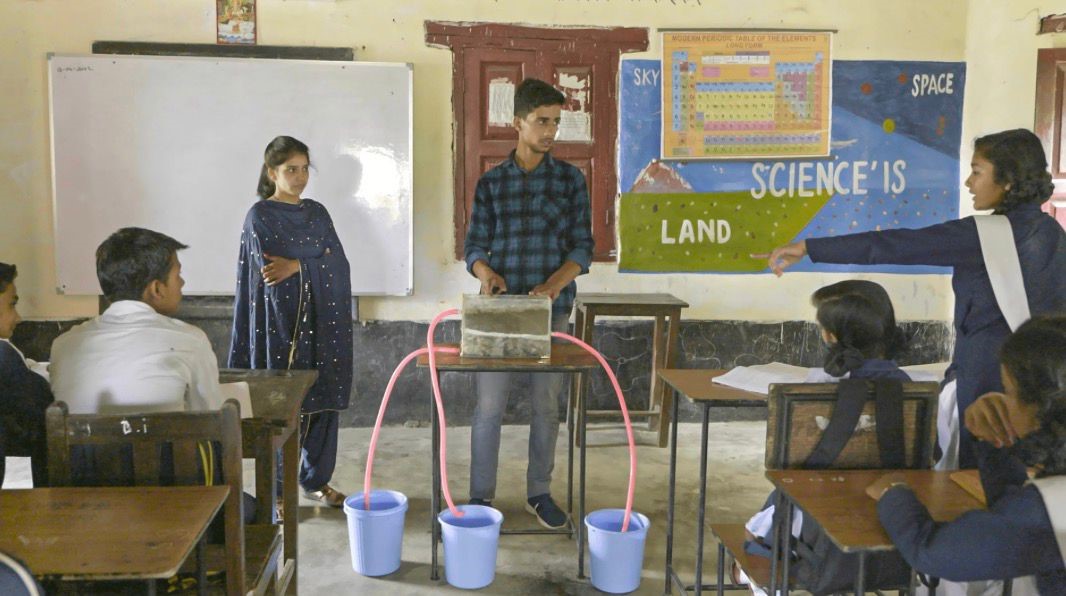
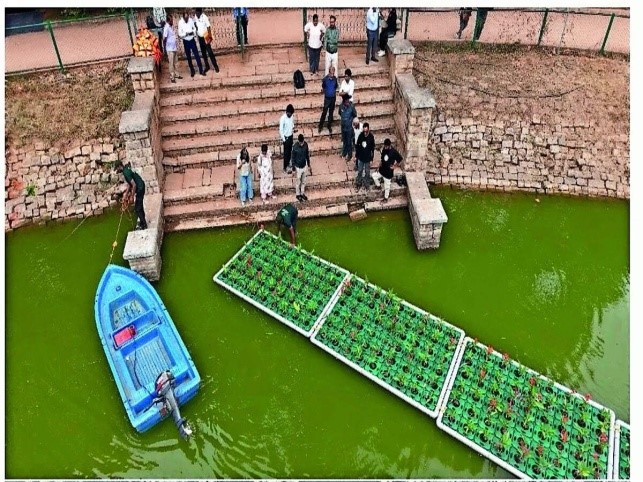
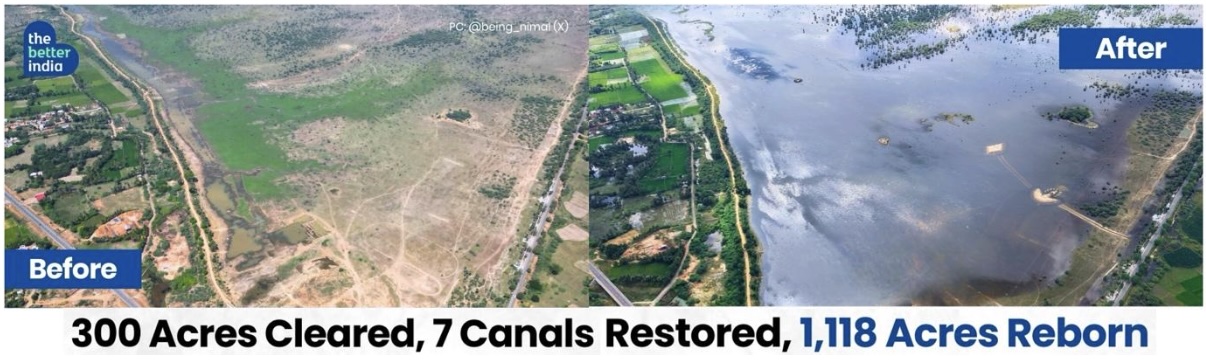
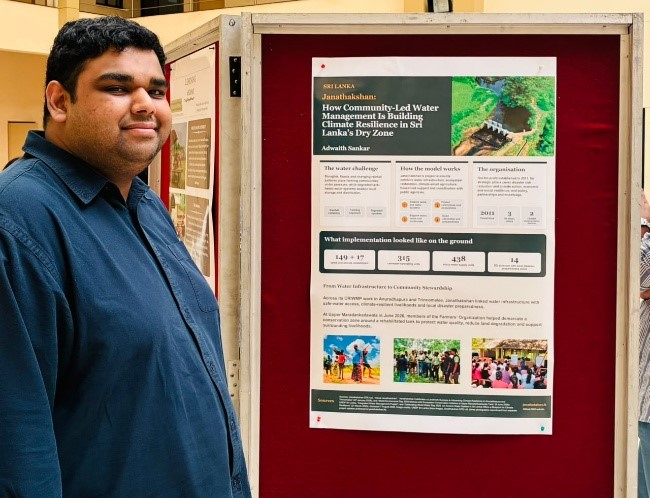
Regarding water-management infrastructure, Janathakshan reports that its CRIWMP implementation areas recorded the rehabilitation of 149 tanks and 17 anicuts. Furthermore, it reports 315 rainwater-harvesting units and 438 micro-water-supply units. The organisation also reports downstream improvements across 157 irrigation systems. It also describes hydrological assessments, watershed rehabilitation and ecosystem restoration. Although it reports these contributions to infrastructure, Janathakshan also describes a broader approach to water management. For instance, it was involved in technical demonstrations, field mobilisations, and collaboration with public officials among other such initiatives.
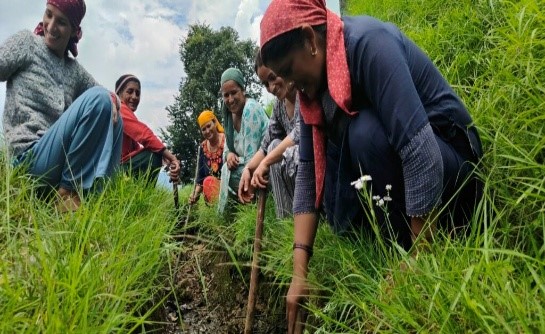
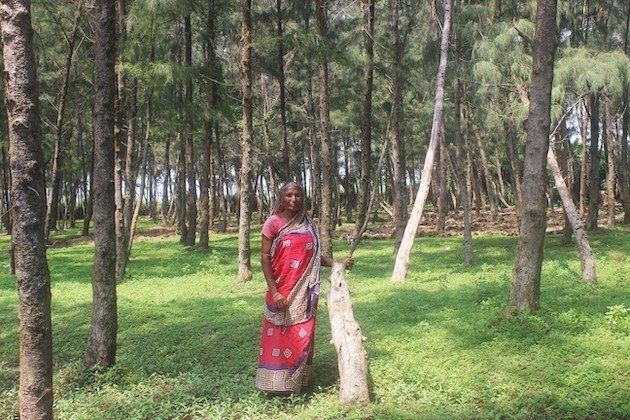
Janathakshan also involves local communities in water-system restoration and protection. Green Empowerment reports that local farmers’ organisations have led the restoration of cascade systems at other Janathakshan project sites. For example, in Upper Maradankadawala, Janathakshan conducted a demarcation programme around a rehabilitated tank under a separate water, sustainable farming and livelihoods project. The programme involved establishing the boundary of the Kattakaduwa Conservation Zone around the tank. Members of the local Farmers’ Organization voluntarily participated in the process. A regional officer provided guidance. No formal boundary for the conservation zone had previously been identified. Janathakshan states that the zone is intended to protect water quality. Janathakshan also notes that it is aimed at reducing land degradation and conserving biodiversity. Janathakshan described the process as creating “community ownership” and strengthening local commitment to protecting the tank ecosystem over the long term.
Janathakshan’s work in water management involves connecting different approaches. Its work synthesises infrastructure expertise with community participation. This is important because it links larger programmes to the communities they were meant to benefit. Beyond water management, Janathakshan also works on disaster preparedness, sustainable agriculture, livelihoods and waste management.
About the author
Adwaith Sankar is a final-year undergraduate student pursuing Political Science and International Liberal Studies through the NUS-Waseda Double Degree Programme.