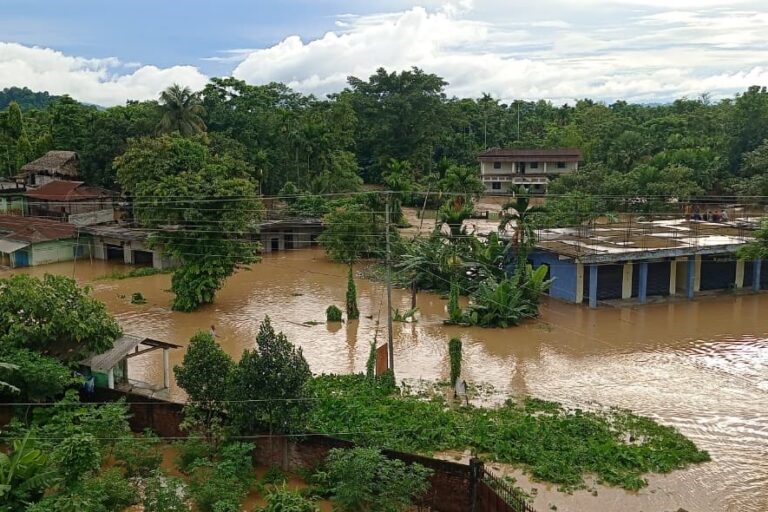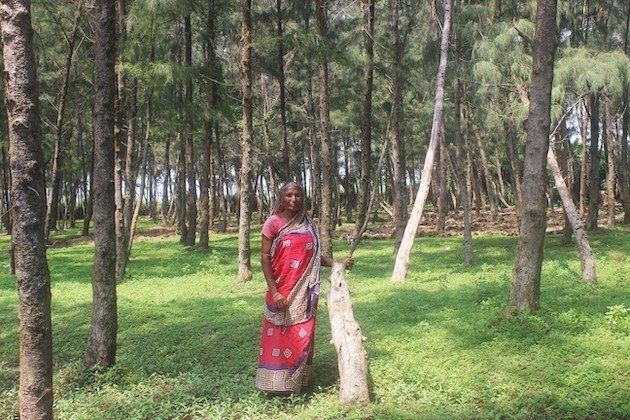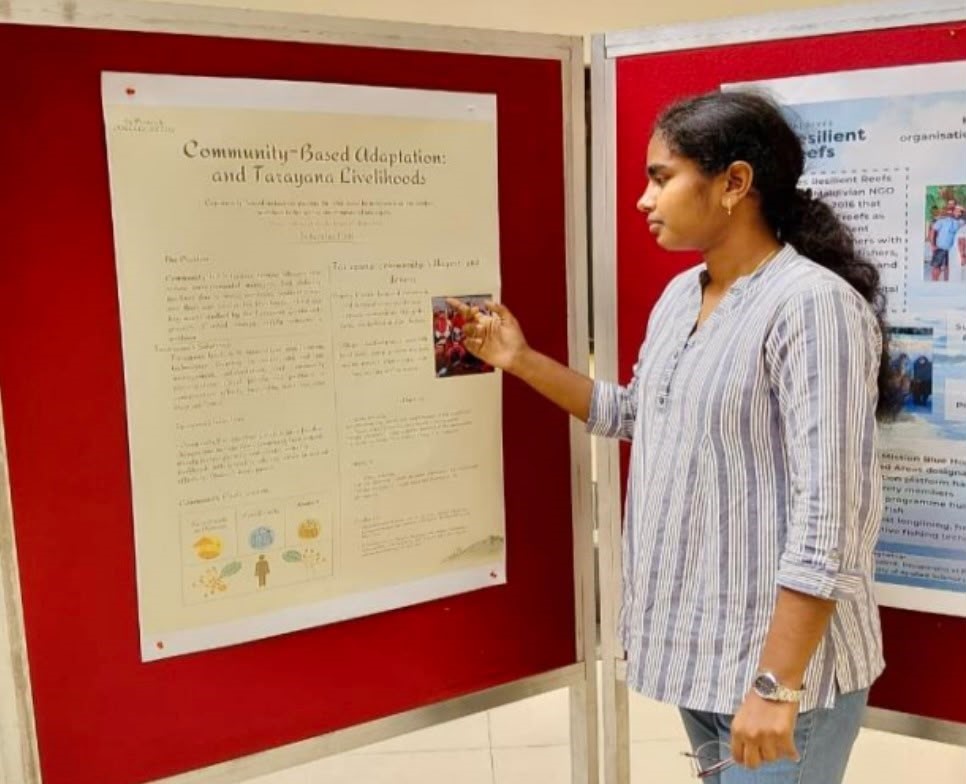
Nestled in isolated mountainous regions of Bhutan, there are numerous villages where farmers are used to seasonal cycles of planting and reaping. However, recently the climate has become unpredictable, freshwater sources reduced, and slopes eroded. Such environmental changes pose a serious threat to the livelihood of isolated rural communities.
When water becomes a problem and farmland less fertile, the most apparent solution is to cut down on fuelwood consumption in order to preserve the forest for future use. At the same time, the increasing number of rural households is forced to burn more firewood due to the lack of access to modern energy sources. Therefore, the entire system breaks down, presenting a major challenge to authorities. In order to reverse the damaging trends, it is essential to promote community-based adaptation to environmental changes through active cooperation with local populations and awareness raising as to the importance of preserving forests.
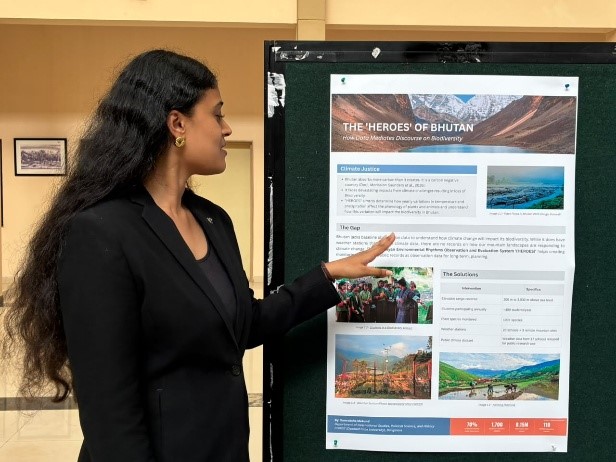
Tarayana Foundation works closely with local communities to help them adapt to the ongoing climate change in Bhutan’s remote regions. The main focus of the CBA (Community-based Adaptation) strategy is on rural populations and their immediate needs, which are inseparable from the state of the environment. In other words, the adaptation process addresses both human-made and natural factors affecting the region. Thus, Tarayana ensures that local people, who possess extensive knowledge of their territory, participate in all stages of research, planning, and implementation. The foundation builds alliances with locals, which empowers them to make informed decisions and invest in sustainable solutions. In turn, local populations serve as excellent ambassadors of positive change, effectively spreading awareness about the importance of environmental conservation.
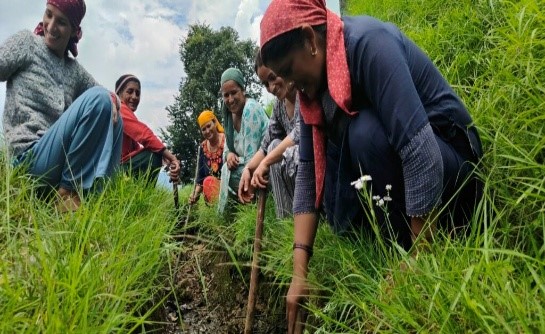
Working in cooperation with locals allows Tarayana Foundation to implement viable solutions to ongoing environmental challenges. For instance, the foundation works on slope stabilization and water conservation projects in vulnerable regions of Bhutan. Locals are well prepared to handle these tasks as they have traditional knowledge and skills of constructing necessary infrastructure, e.g. water storage systems, erosion control structures, and compost pits. Moreover, farmers receive training on growing traditional crops, which makes subsistence farming more profitable and sustainable in the long run. In addition to slope stabilization measures and water conservation activities, local farmers are advised to rotate crops to retain soil fertility. Another key area of collaboration is the introduction to climate-resilient crops, which allows small-scale farmers to ensure food security and profit from adapting agriculture practices.
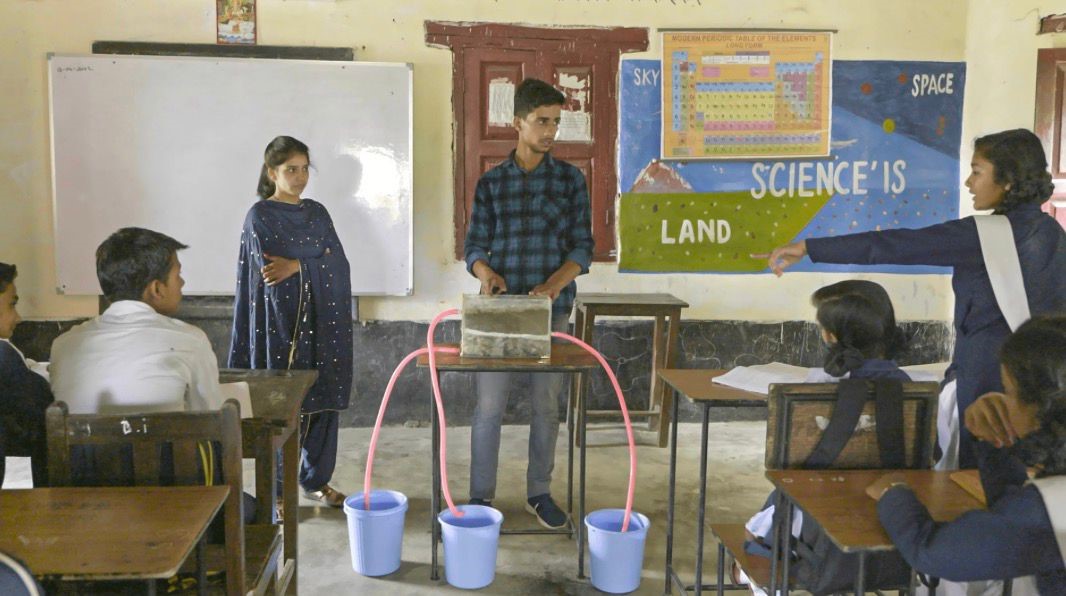
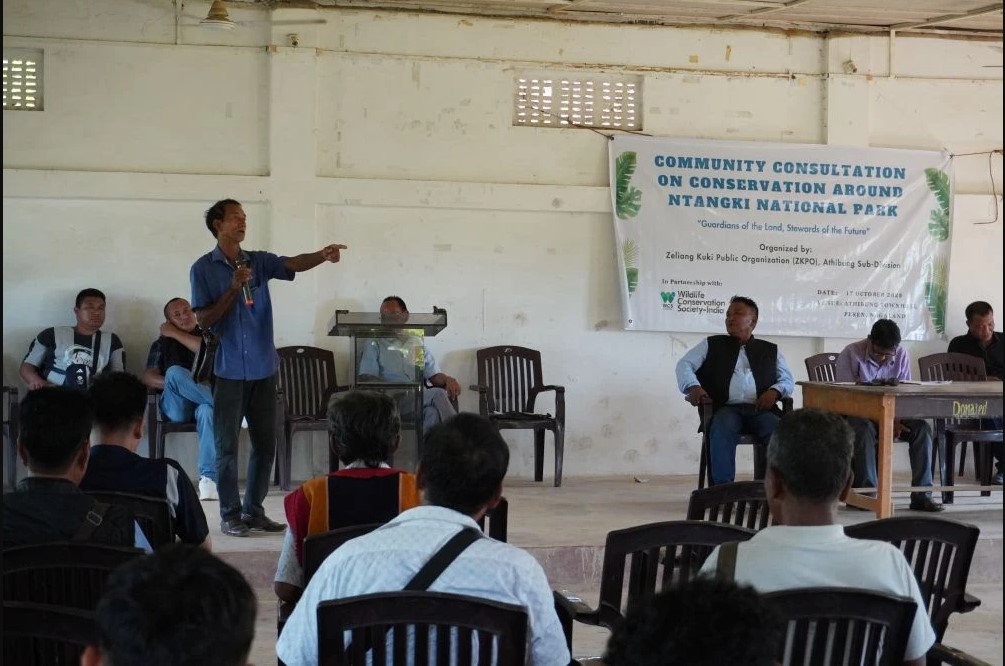
The most important aspect of the CBA program is the involvement of local populations in all stages of the process in order to establish a lasting sense of ownership. Locals are in charge of constructing water conservation systems with the help of solar-powered water pumps. In addition, communities hold funding accounts to purchase fuel and building materials needed for the maintenance of small-scale irrigation infrastructure. Local populations are guided through training courses and workshops, where they learn how to make environmentally friendly buildings and maintain traditional agricultural practices. As a result, locals are confident that they can make a difference in rural development and are motivated to invest in long-term, large-scale water and agricultural projects.
The support from the national and international community plays a critical role in the success of the campaign. Tarayana Foundation facilitates partnerships with corporate social responsibility entities and local NGOs in order to achieve long-lasting, community driven impact. In particular, banks, philanthropic organizations, business associations, and civic clubs sponsor the foundation’s initiatives. Such collaborations are beneficial for both parties, as donors receive tax benefits for their contributions, whereas the local community receives the much-needed support. Tarayana carefully manages the allocation of funds, making sure that donated money corresponds to the needs of the local population and promoting community ownership of the process. In other words, locals utilize their traditional expertise and manual labor while external sponsors provide the necessary machinery.
The CBA strategy has demonstrated promising results, which are visible in both environmental and social outcomes. For instance, in a number of rural communities, mountain springs were recharged and micro-irrigation structures built, ensuring a constant freshwater supply for rural households. Kitchen gardens allow farmers to grow more vegetables, which in turn provides them with additional income through local markets. Solar energy helps off-set fuelwood consumption, promoting cleaner air and better health outcomes.
Despite the apparent sustainability of the community-based adaptation model, it presents several challenges to local populations, implementing both traditional and modern solutions, which require continuous dialogue with local authorities and communities. In order to monitor the effectiveness of the CBA interventions, Tarayana works closely with local leaders who hold the technical expertise to measure progress, and evaluate the alignment of projects with national adaptation strategies.
In summary, the Livelihoods program works in collaboration with local populations to promote sustainable rural development through sustainable adaptation to climate change. The CBA strategy allows the locals to maintain their traditional lifestyle while protecting forest resources from degradation. Ultimately it ensures that people and the environment benefit from the same source - the rich biodiversity of Bhutan.
About the author
Monica K is a student at Kumaraguru College of Liberal Arts and Science (KCLAS), Coimbatore, Tamil Nadu.