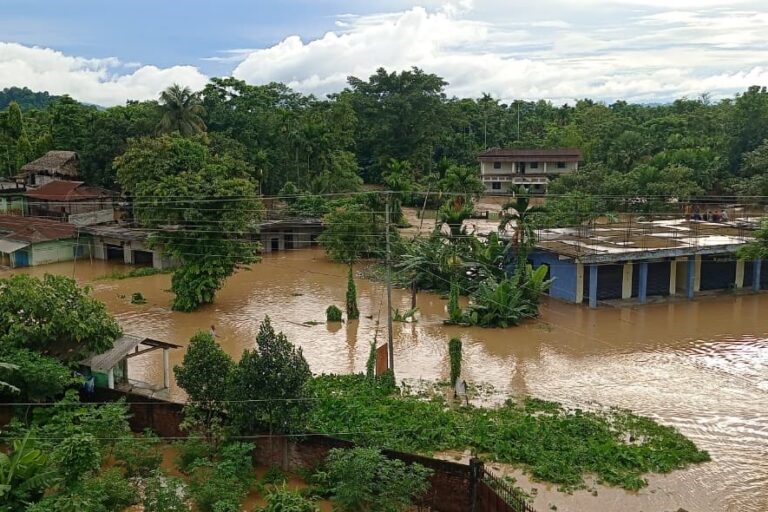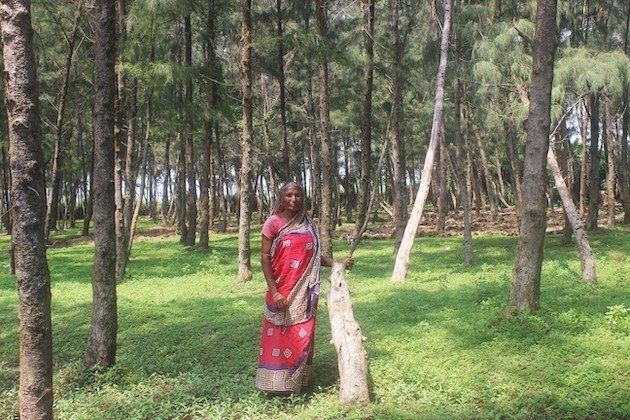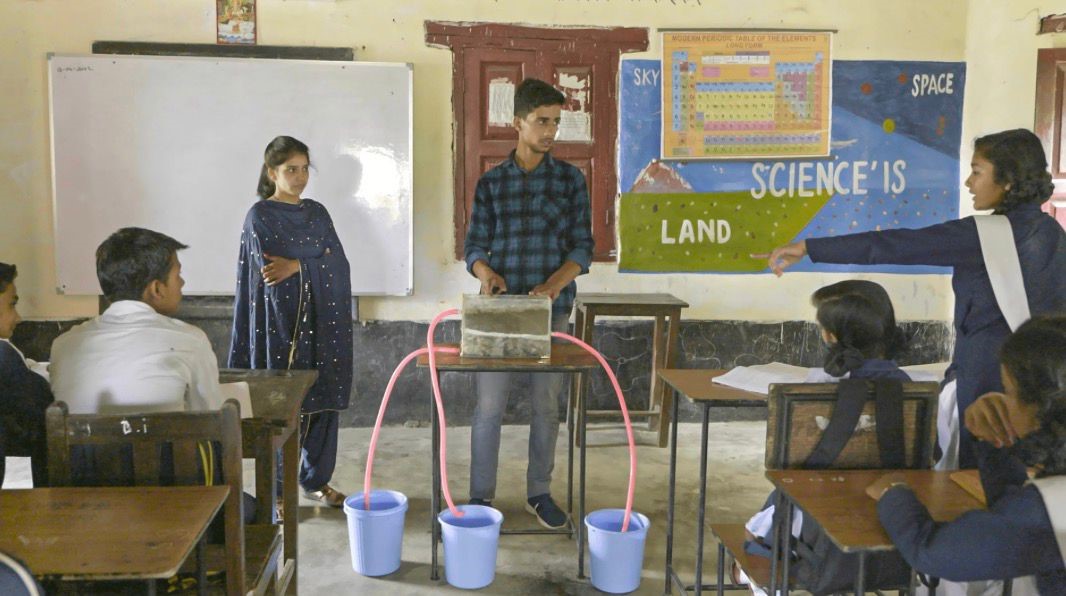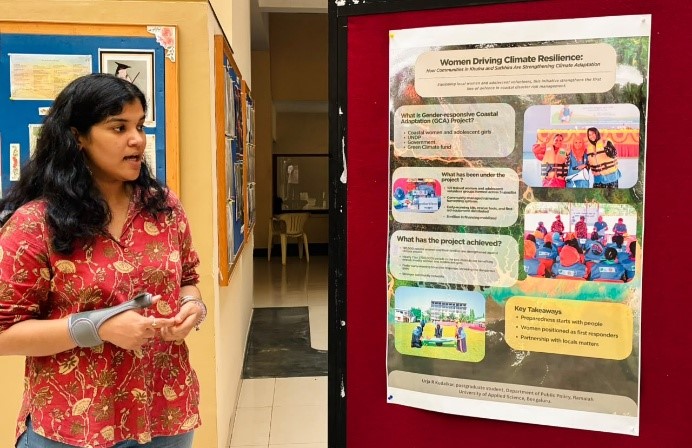
The Gender-responsive Coastal Adaptation (GCA) Project was approved in mid-2018 and formally began in early 2019, running through mid-2026 a seven-year effort. It is implemented by Bangladesh's Ministry of Women and Children Affairs (MoWCA) with technical support from UNDP, with primary grant funding from the Green Climate Fund (GCF), backed by co-financing from the Government of Bangladesh. Working across five upazilas in Khulna and Satkhira two of the country's most climate-exposed coastal districts the project moved on three parallel tracks: building climate-resilient livelihoods, securing safe drinking water through rainwater harvesting and saline treatment, and strengthening disaster response preparedness by training women and adolescent girls as the community's first responders.
The GCF's total grant allocation stood at USD 33 million, supported by a further USD 8 million in co-financing from the Government of Bangladesh, bringing the total project cost to roughly USD 41 million. Disbursement started smaller in 2019-2020, then picked up pace as infrastructure and rainwater harvesting installations expanded through the mid-cycle years, before settling into steadier annual spending through to the final phase in 2026.
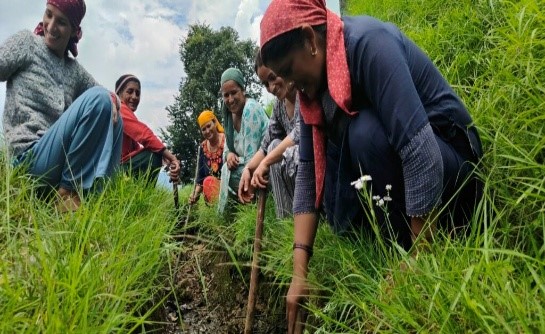
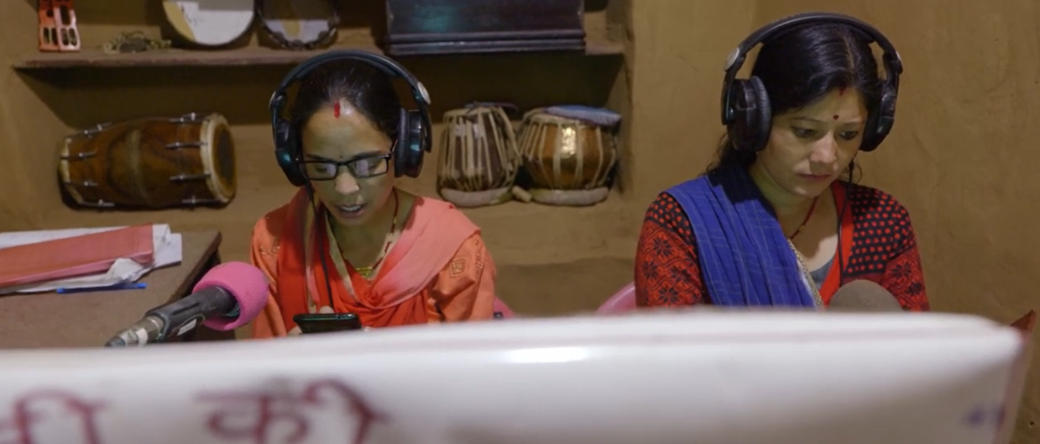
Working alongside the long-running Cyclone Preparedness Programme (CPP), the project formed and trained 101 women and adolescent volunteer groups across the five upazilas, equipping them with early-warning kits, rescue tools and first-aid equipment. These volunteers learned to read warning signals, spread alerts through their neighbourhoods, help with evacuations, and provide first aid before formal emergency services arrive. In Koyra, the first cohort of women to receive this training marked what UNDP described as women being "empowered to act before the storm" turning a passive wait for help into an active, community-led response.
By the time the project closed in mid-2026, the numbers told a striking story. Around 130,000 coastal women and their families had been directly strengthened against climate shocks. Zoomed out further, the project's Learning Sharing and Closing Workshop in Dhaka confirmed it had reached 719,229 people across Khulna and Satkhira, directly and indirectly. More than 24,000 households adopted climate-resilient livelihoods such as salinity-tolerant crops, crab farming and hydroponics, while over 144,000 people gained year-round access to safe drinking water through more than 15,700 new water systems. Government capacity grew too, with 720 officials trained in climate-risk-informed planning.
The true measure of the project's success would be how far these interventions continue to benefit communities long after it closes, adding that UNDP remains committed to helping the Government of Bangladesh scale up the model. Md Abdul Hye Al Mahmud, the project's National Project Director, stressed that women's empowerment needs durable income opportunities behind it, not training alone, if it is to hold.
Perhaps the most meaningful shift doesn't show up in a spreadsheet at all: the shrinking gap between an early warning and real action on the ground, and the stronger community networks that now exist because women who once waited for help are now often the ones giving it. As coastal Bangladesh braces for intensifying cyclones and creeping salinity, the model emerging from Khulna and Satkhira offers a hopeful, tested answer to a hard question: when the next storm warning comes, who will already be ready? Increasingly, here, the answer is women.
About the Author:
Urja Kudalkar is a Post graduate student at Department of Public Policy, Ramaiah University of Applied Sciences, Bengaluru.