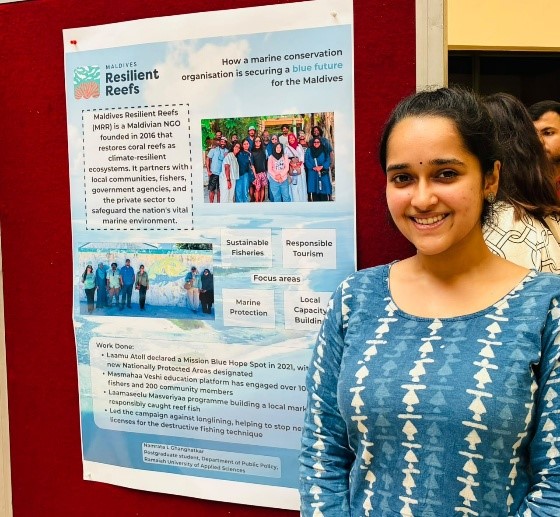
Maldives Resilient Reefs (MRR) is a Maldivian marine conservation organisation working to protect and restore the coral reef ecosystems that support the country’s communities, fisheries and tourism industry. Established in 2020 and affiliated with the Blue Marine Foundation, MRR works with local communities, fisherfolk, government agencies and the tourism sector to strengthen marine conservation. Its work focuses on four areas; marine protection, sustainable fisheries, responsible tourism and local capacity building. For an island nation where people and livelihoods are closely connected to the ocean, MRR views healthy reefs as essential to the future of the Maldives.
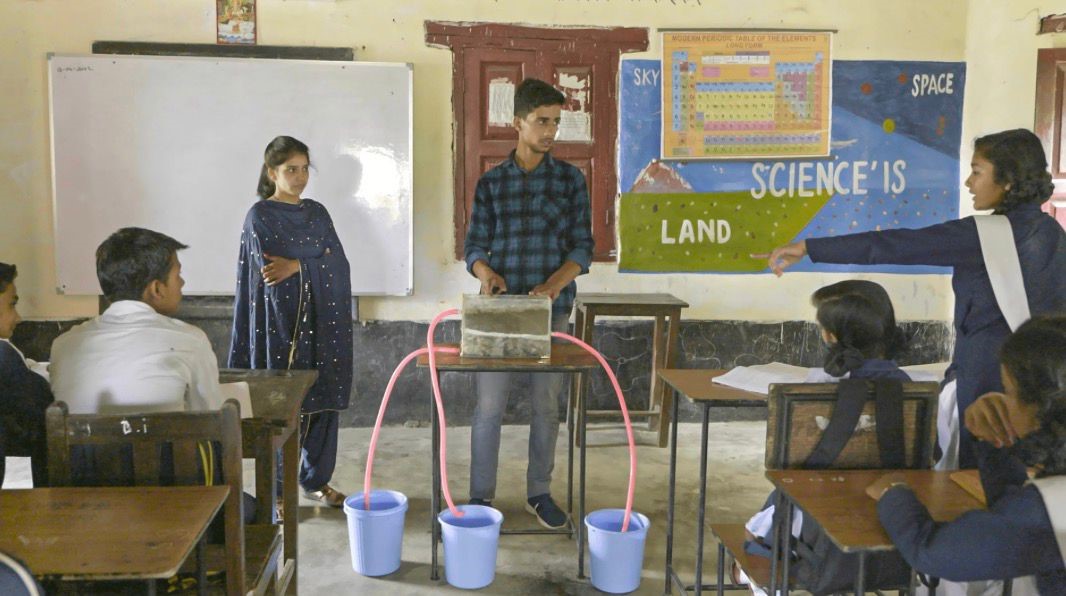
Through its work, MRR has supported the identification and protection of important marine habitats, particularly in the Laamu Atoll. Biodiversity surveys and community engagement contributed to six areas being designated as nationally protected areas in 2021. The organisation also works to promote sustainable fishing through its “Fish for Tomorrow programme,” which brings together resorts and local fishers to encourage responsible seafood sourcing and sustainable fishing practices. Through Laamaseelu Farudhun, MRR trains local communities and young people to monitor coral reefs, seagrass meadows and mangroves, building local knowledge around marine ecosystems. It has also worked with tourism operators to protect seagrass meadows through its “Protect Maldives Seagrass” campaign.
The impact of this work extends beyond individual reefs. The designation of six protected areas in Laamu has strengthened formal marine protection, while the seagrass campaign has brought more than 30 resorts into conservation efforts, with commitments to protect over 830,000 square metres of seagrass. Its fisheries work has also helped bring greater attention to the ecological importance of reef species and sustainable fishing practices. By involving the people who depend on the ocean in its protection, Maldives Resilient Reefs is helping build local capacity for conservation while safeguarding biodiversity, fisheries and coastal ecosystems. Its work demonstrates how protecting marine ecosystems can also strengthen the country's resilience to climate change and protect the livelihoods that depend on its blue economy.
About the Author:
Namrata L Ghanghatkar is a postgraduate student at the Department of Public Policy, Ramaiah University of Applied Sciences, Bengaluru.